0
Shopping cart
You have no items in your cartSetting
Language
Currency
| Botanical Name | Myrica cerifera |
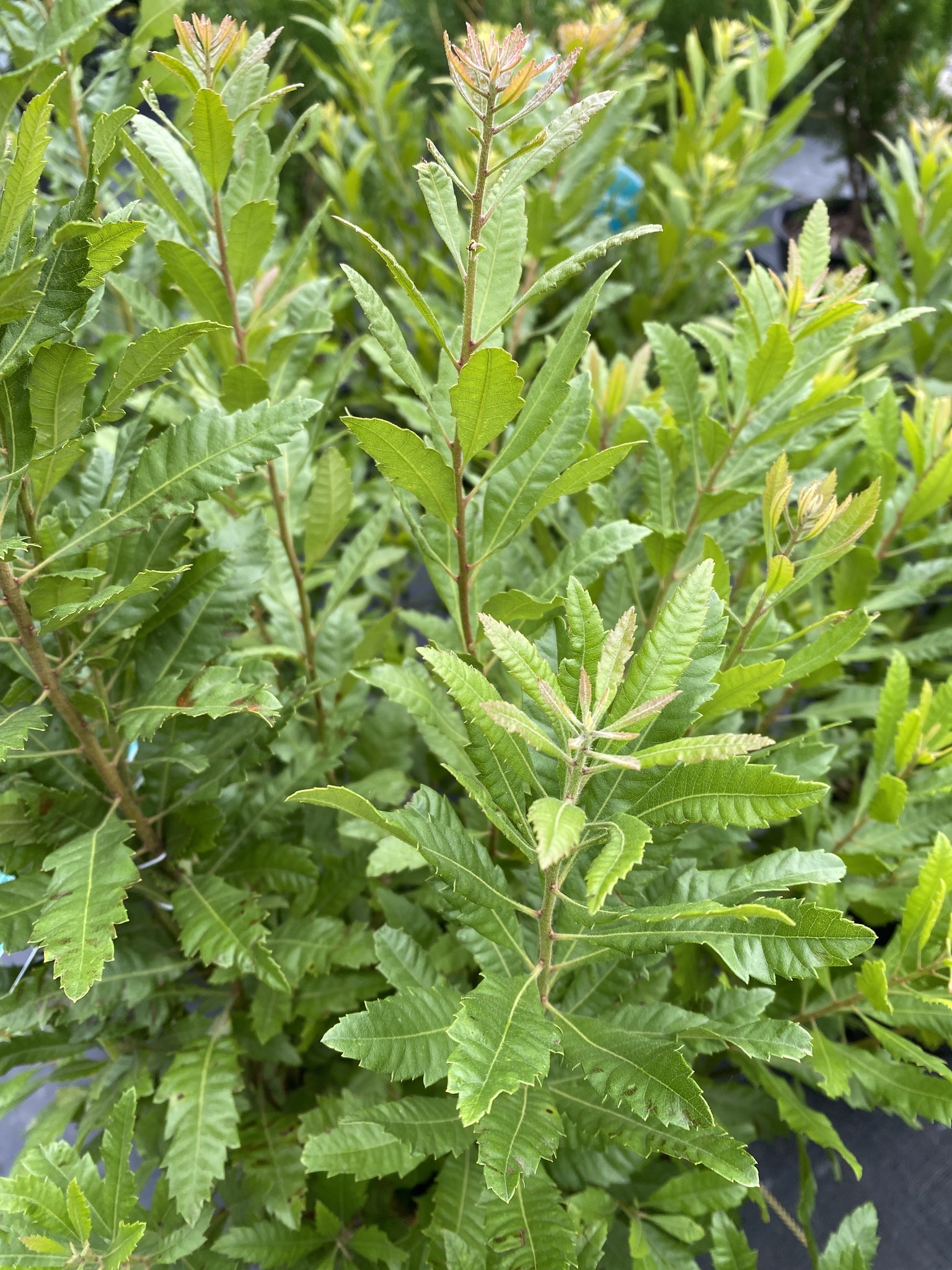
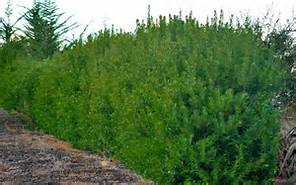
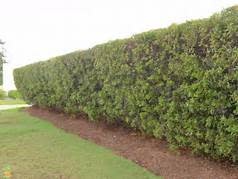
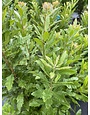
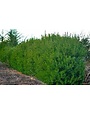
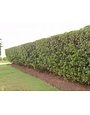
| Description | The Southern Wax Myrtle is one of the most versatile native evergreens for the Houston and Willis area. This 3-gallon (3G) size is an economical and effective way to plant a long boundary or a dense hedge. Known for the spicy scent of its leaves—which was historically used to make bayberry candles—it provides year-round emerald-green color. It is highly resilient, thriving in both sandy soils and heavy Houston clay. It is an essential plant for wildlife gardens, providing thick cover and winter berries for migratory birds. |
| Exposure | Full Sun to Partial Shade |
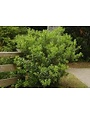
| Height x Width | 10-15' Height x 8-10' Width (Easily maintained at 6-8' with pruning) |
| Water | Moderate to High; exceptionally adaptable. It can withstand temporary flooding and boggy conditions but remains remarkably drought-tolerant once established. |
| Zones | 7 - 11 |
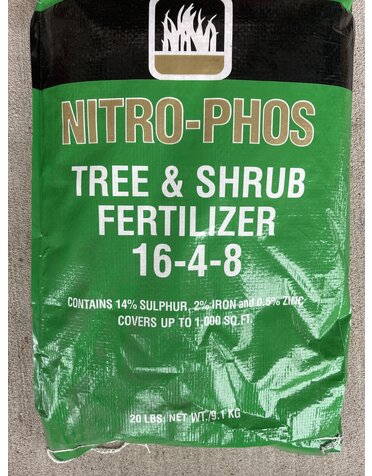
| Fertilization | Apply a balanced, slow-release fertilizer in early spring to fuel its rapid growth. |
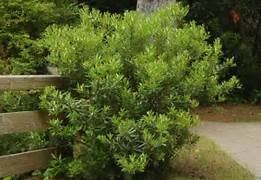
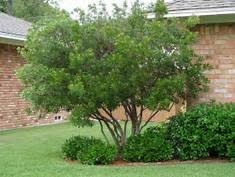
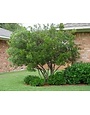
| Pruning | Prune as needed to maintain shape. It responds well to heavy shearing for hedges or can be "limbed up" into a small ornamental tree. |
| Deer Resistance | High |
| Botanical Name | Myrica cerifera |
| Description | The Southern Wax Myrtle is one of the most versatile native evergreens for the Houston and Willis area. This 3-gallon (3G) size is an economical and effective way to plant a long boundary or a dense hedge. Known for the spicy scent of its leaves—which was historically used to make bayberry candles—it provides year-round emerald-green color. It is highly resilient, thriving in both sandy soils and heavy Houston clay. It is an essential plant for wildlife gardens, providing thick cover and winter berries for migratory birds. |
| Exposure | Full Sun to Partial Shade |
| Height x Width | 10-15' Height x 8-10' Width (Easily maintained at 6-8' with pruning) |
| Water | Moderate to High; exceptionally adaptable. It can withstand temporary flooding and boggy conditions but remains remarkably drought-tolerant once established. |
| Zones | 7 - 11 |
| Fertilization | Apply a balanced, slow-release fertilizer in early spring to fuel its rapid growth. |
| Pruning | Prune as needed to maintain shape. It responds well to heavy shearing for hedges or can be "limbed up" into a small ornamental tree. |
| Deer Resistance | High |