0
Shopping cart
You have no items in your cartSetting
Language
Currency
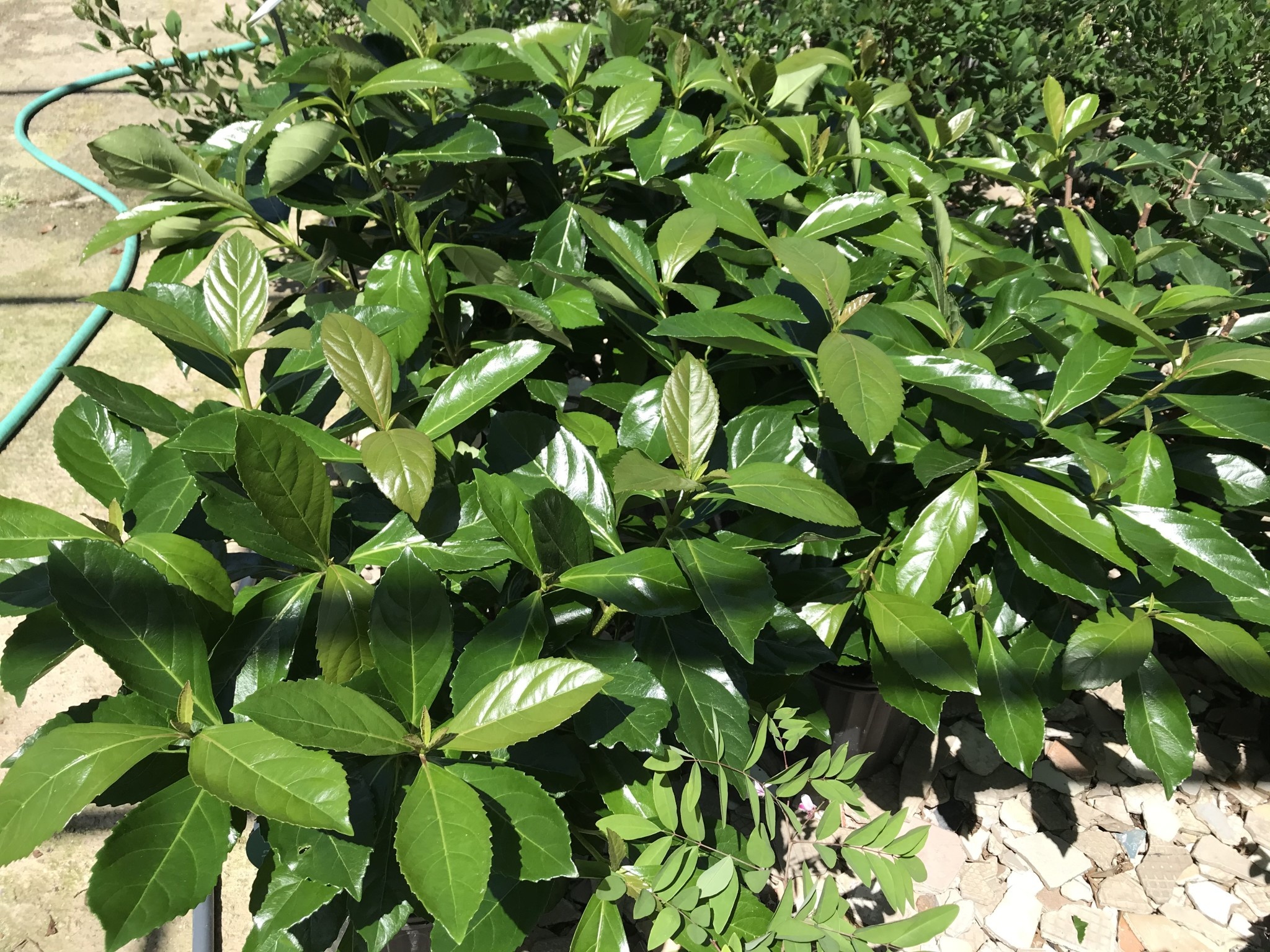
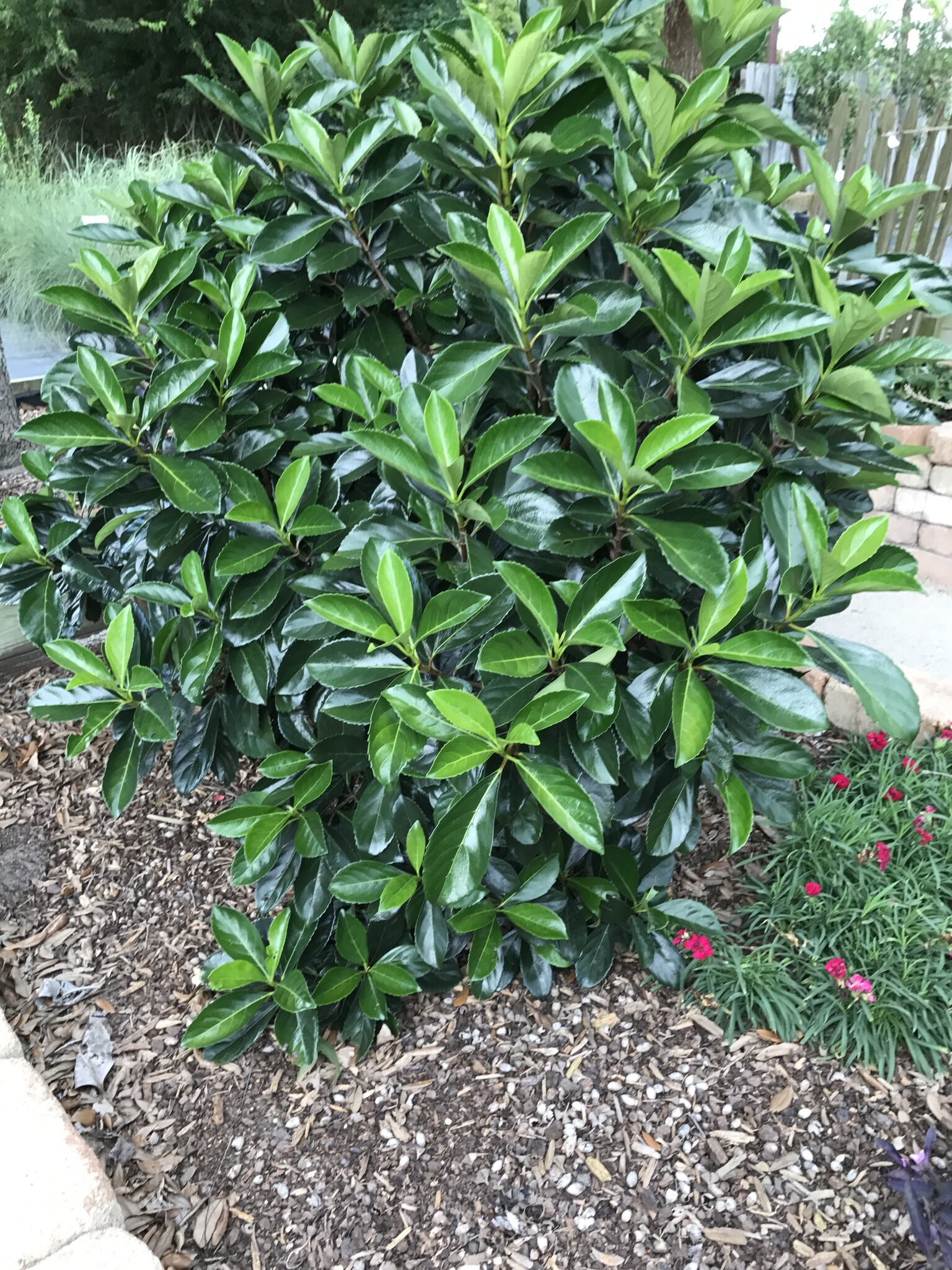
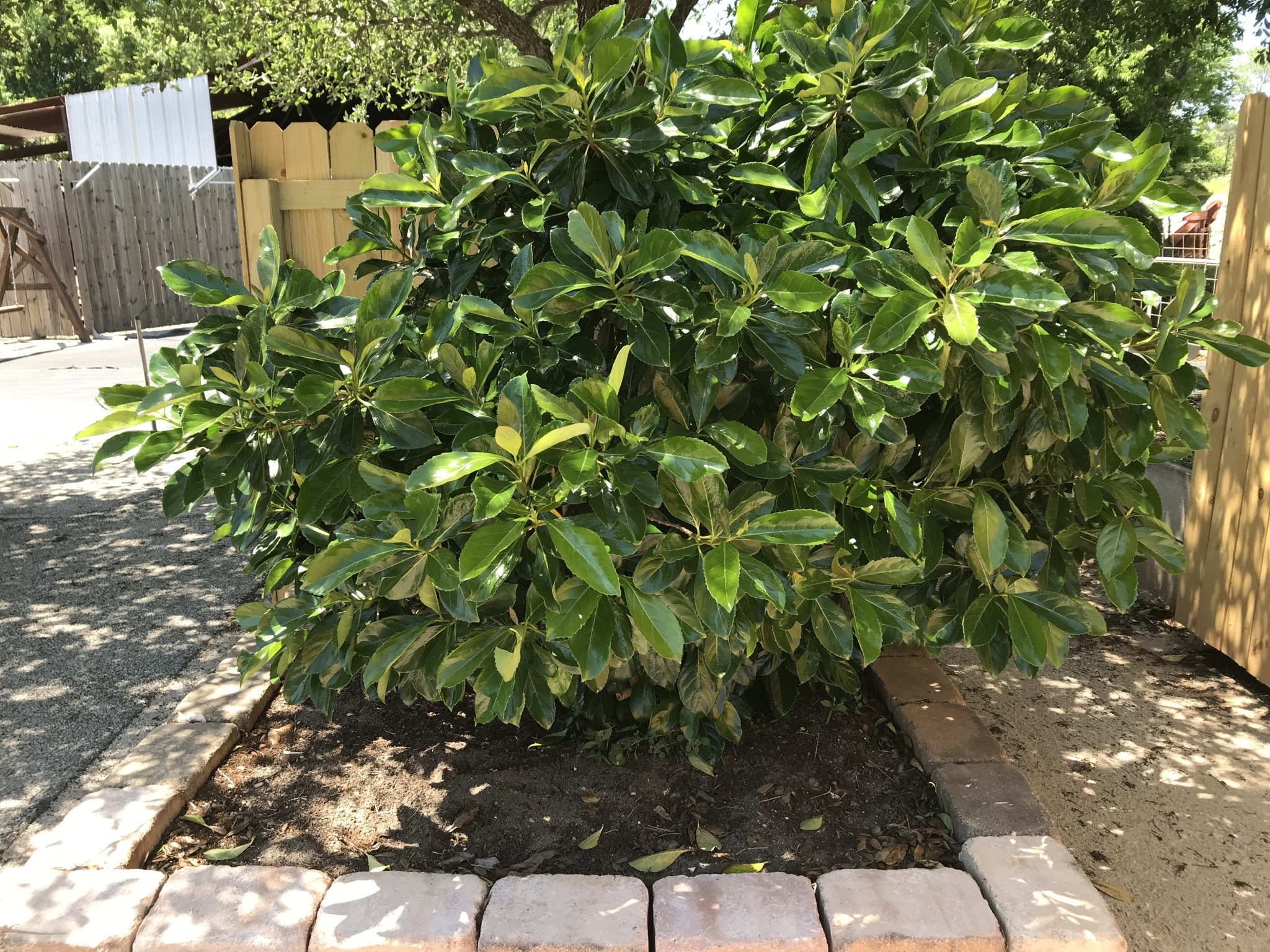
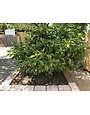
| Botanical Name | Viburnum odoratissimum var. awabuki |
| Description | ‘Awabuki’ is highly prized in Southeast Texas for its remarkably shiny, bright green foliage and upright habit. It produces fragrant white flower clusters in spring, followed by red berries that mature to black. While it thrives in Houston’s heat, it requires well-drained, organic-rich soil to prevent root rot. In areas with heavy clay, we strongly recommend planting in a raised bed or amended mound to ensure the drainage necessary during our high-rainfall seasons. |
| Exposure | Full Sun to Partial Shade (Full sun ensures best leaf gloss and density) |
| Height x Width | 12-15 feet tall x 8-10 feet wide |
| Water | Moderate; requires regular watering to establish. Once mature, it is fairly drought-tolerant but performs best with consistent moisture. |
| Zones | 8 - 11 |
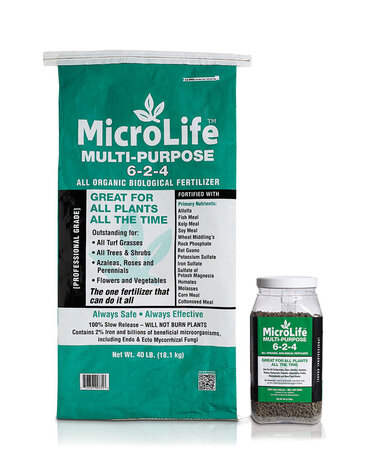
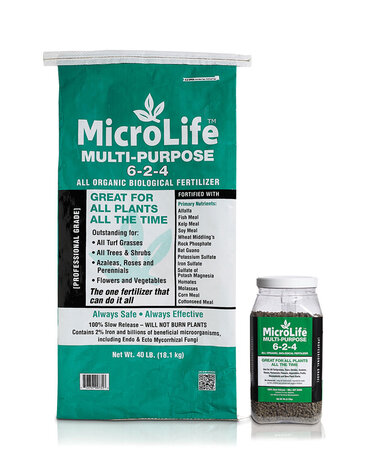
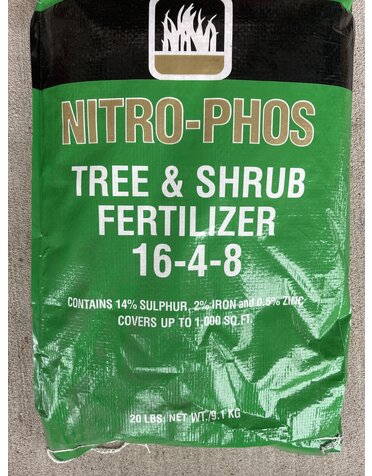
| Fertilization | Apply a balanced, slow-release fertilizer in early spring and mid-summer to support its fast growth rate. |
| Pruning | Prune for size and shape in late winter or immediately after spring flowering. Responds very well to heavy pruning. |
| Deer Resistance | Moderate |
| Botanical Name | Viburnum odoratissimum var. awabuki |
| Description | ‘Awabuki’ is highly prized in Southeast Texas for its remarkably shiny, bright green foliage and upright habit. It produces fragrant white flower clusters in spring, followed by red berries that mature to black. While it thrives in Houston’s heat, it requires well-drained, organic-rich soil to prevent root rot. In areas with heavy clay, we strongly recommend planting in a raised bed or amended mound to ensure the drainage necessary during our high-rainfall seasons. |
| Exposure | Full Sun to Partial Shade (Full sun ensures best leaf gloss and density) |
| Height x Width | 12-15 feet tall x 8-10 feet wide |
| Water | Moderate; requires regular watering to establish. Once mature, it is fairly drought-tolerant but performs best with consistent moisture. |
| Zones | 8 - 11 |
| Fertilization | Apply a balanced, slow-release fertilizer in early spring and mid-summer to support its fast growth rate. |
| Pruning | Prune for size and shape in late winter or immediately after spring flowering. Responds very well to heavy pruning. |
| Deer Resistance | Moderate |