0
Shopping cart
You have no items in your cartSetting
Language
Currency
| Botanical Name | Salvia leucantha |
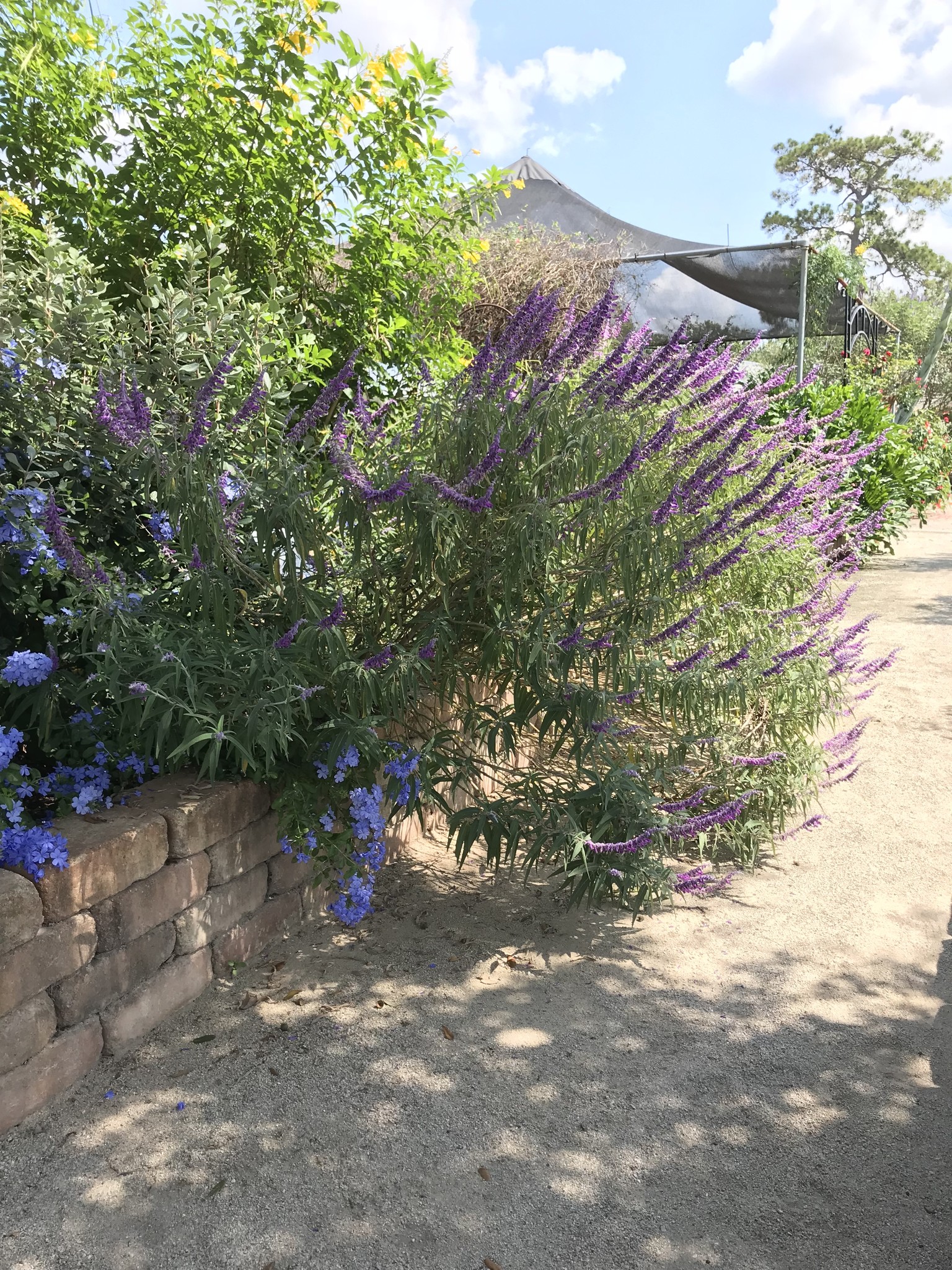
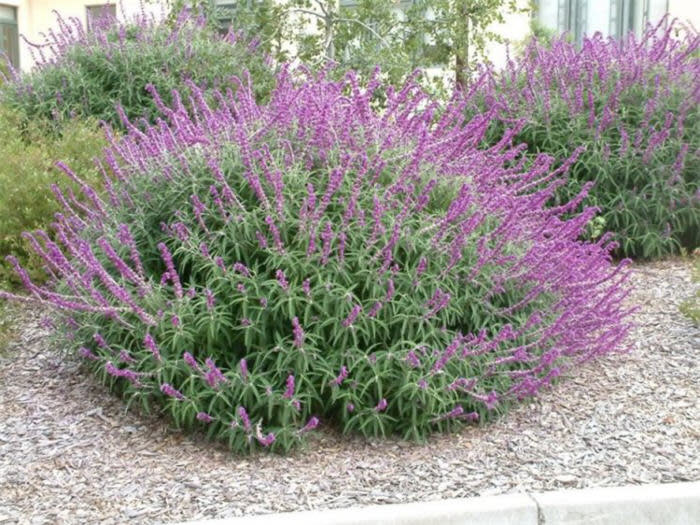
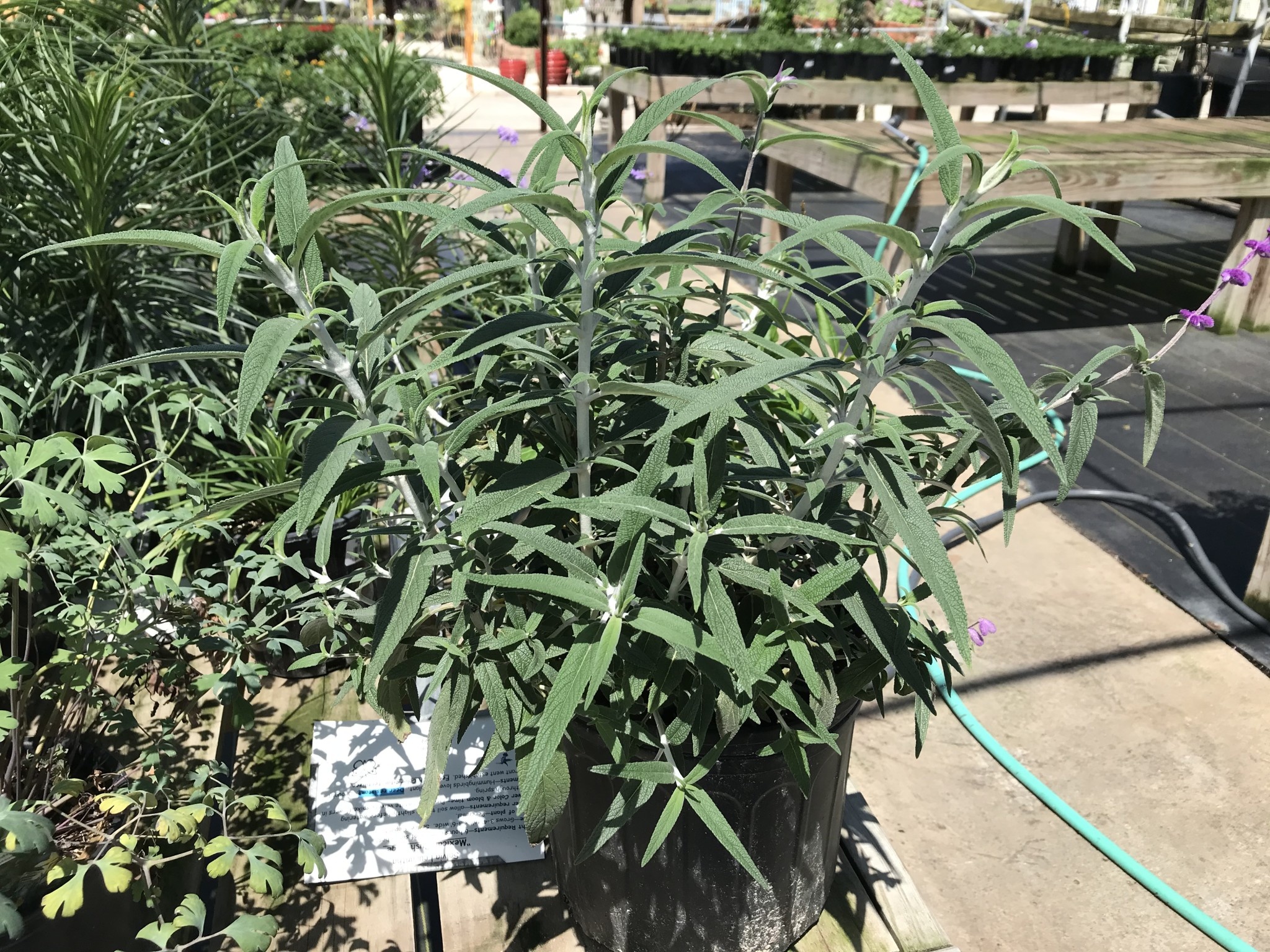
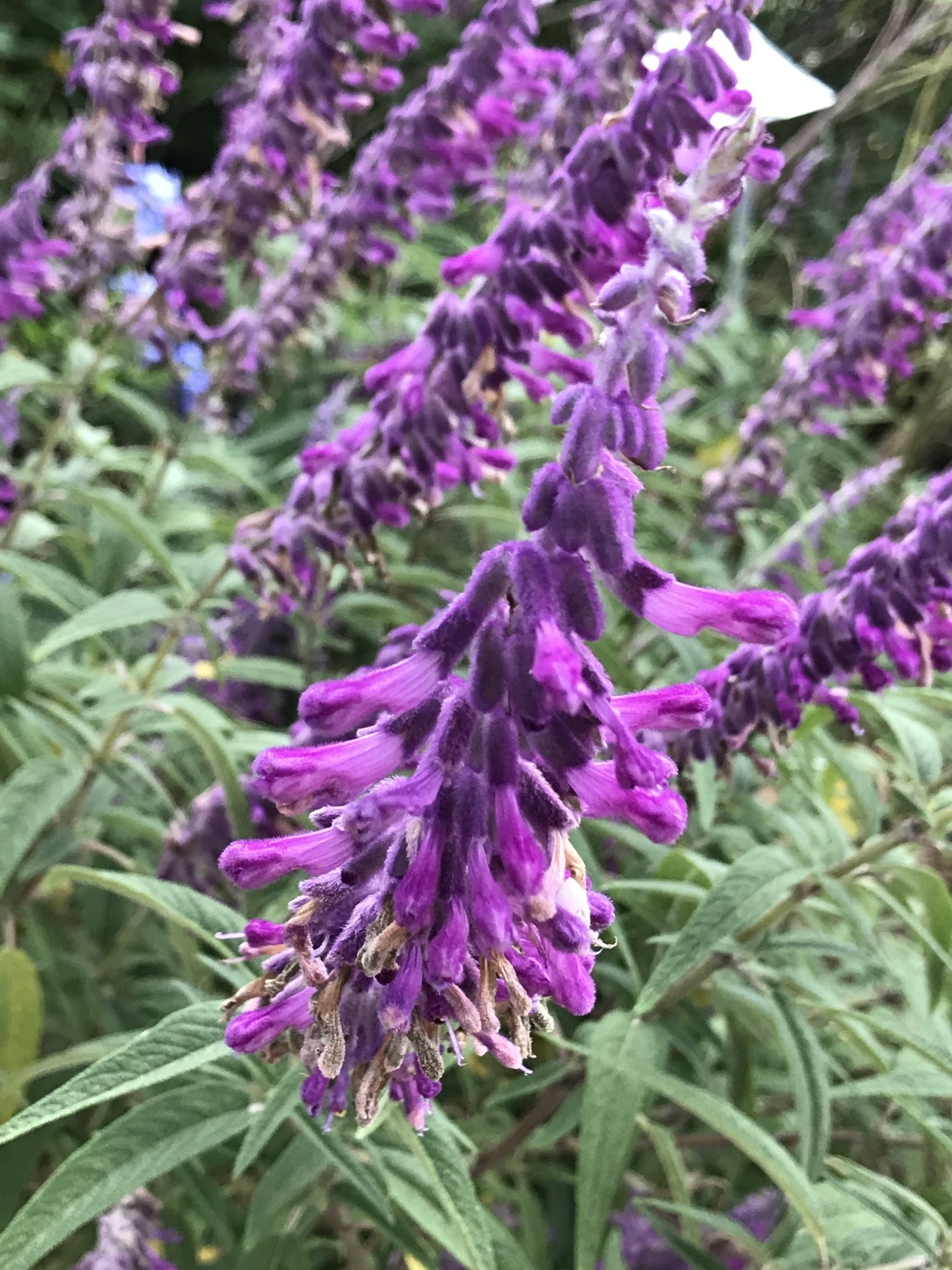
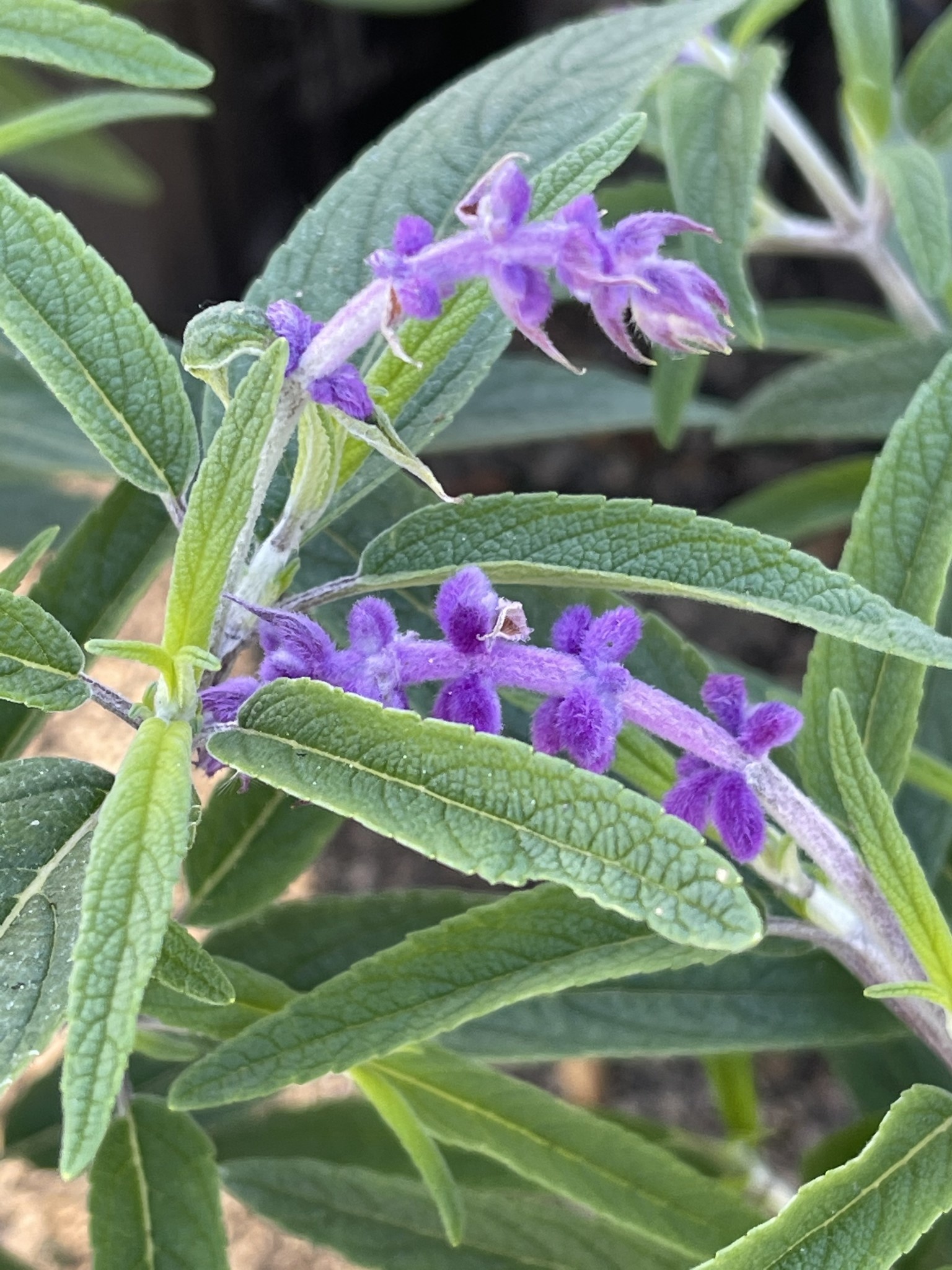
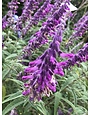
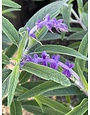
| Description | An absolute showstopper for the Willis and Houston fall garden. Mexican Bush Sage is famous for its velvety, bi-color purple and white flower spikes that emerge just as other plants begin to fade. Its silvery-green, lance-shaped foliage adds wonderful texture to the landscape all summer. To thrive in local clay, ensure it is planted in a raised bed or a sunny spot with excellent drainage; it is quite drought-tolerant but will not survive "wet feet" during a rainy Southeast Texas winter. |
| Exposure | Full Sun (Required for the best bloom production and to prevent the plant from flopping) |
| Height x Width | 3-4 ft. Tall x 3-4 ft. Wide |
| Water | Low to Moderate; once established, it is very drought-hardy. Avoid overwatering once the plant enters its winter dormant phase. |
| Zones | 8 - 10 (Reliably root-hardy perennial in the Houston metro area) |
| Fertilization | Apply a balanced, slow-release fertilizer in early spring. Avoid excessive nitrogen, which can lead to lush foliage but fewer flowers. |
| Pruning | Cut back to 6 inches above the ground in late winter after the danger of frost has passed to encourage fresh, bushy growth. |
| Deer Resistance | High (The fuzzy texture and aromatic scent are natural deterrents) |
| Botanical Name | Salvia leucantha |
| Description | An absolute showstopper for the Willis and Houston fall garden. Mexican Bush Sage is famous for its velvety, bi-color purple and white flower spikes that emerge just as other plants begin to fade. Its silvery-green, lance-shaped foliage adds wonderful texture to the landscape all summer. To thrive in local clay, ensure it is planted in a raised bed or a sunny spot with excellent drainage; it is quite drought-tolerant but will not survive "wet feet" during a rainy Southeast Texas winter. |
| Exposure | Full Sun (Required for the best bloom production and to prevent the plant from flopping) |
| Height x Width | 3-4 ft. Tall x 3-4 ft. Wide |
| Water | Low to Moderate; once established, it is very drought-hardy. Avoid overwatering once the plant enters its winter dormant phase. |
| Zones | 8 - 10 (Reliably root-hardy perennial in the Houston metro area) |
| Fertilization | Apply a balanced, slow-release fertilizer in early spring. Avoid excessive nitrogen, which can lead to lush foliage but fewer flowers. |
| Pruning | Cut back to 6 inches above the ground in late winter after the danger of frost has passed to encourage fresh, bushy growth. |
| Deer Resistance | High (The fuzzy texture and aromatic scent are natural deterrents) |