0
Shopping cart
You have no items in your cartSetting
Language
Currency
| Botanical Name | Rosa 'KORpambufa' PP26814 |
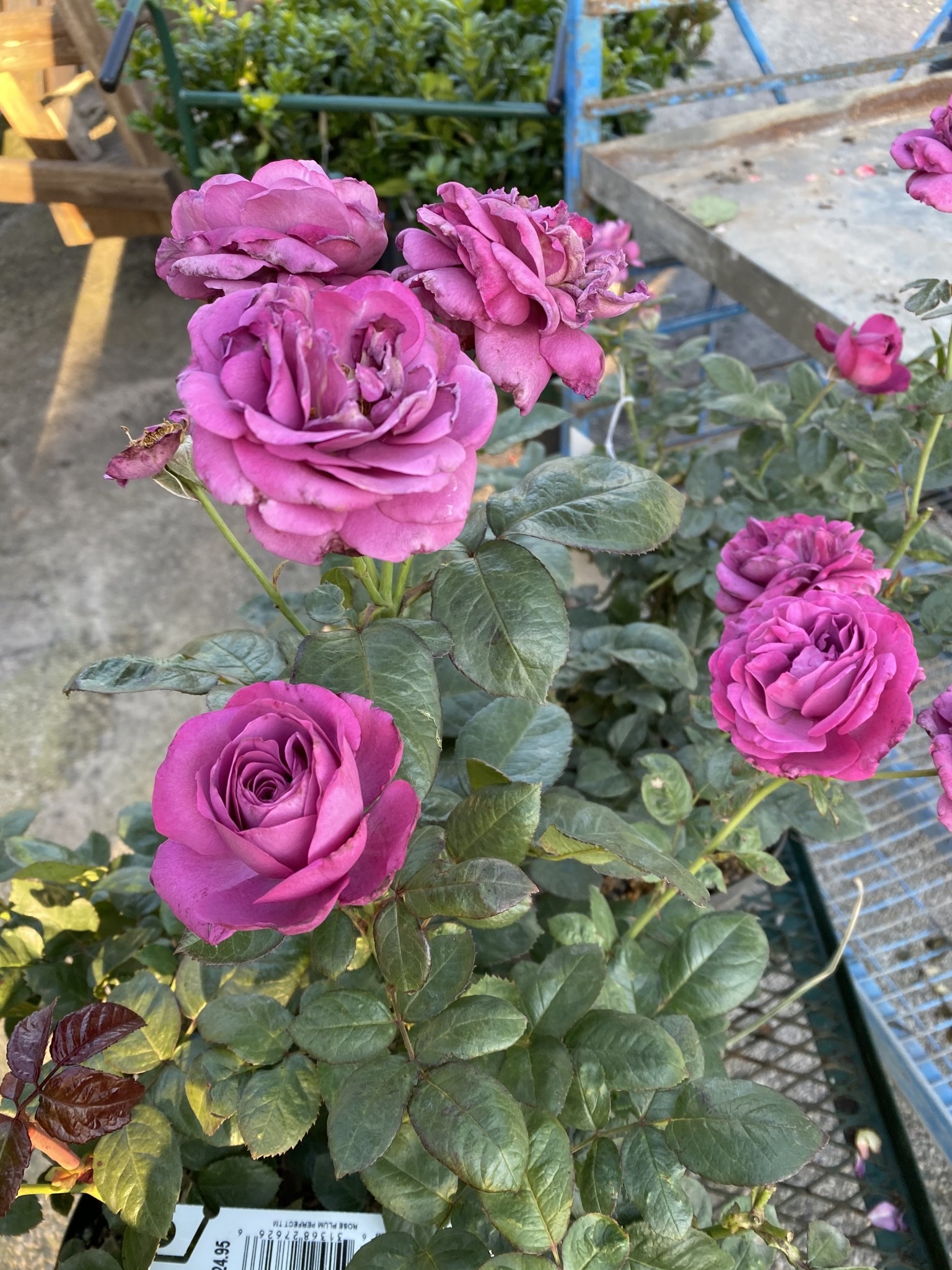
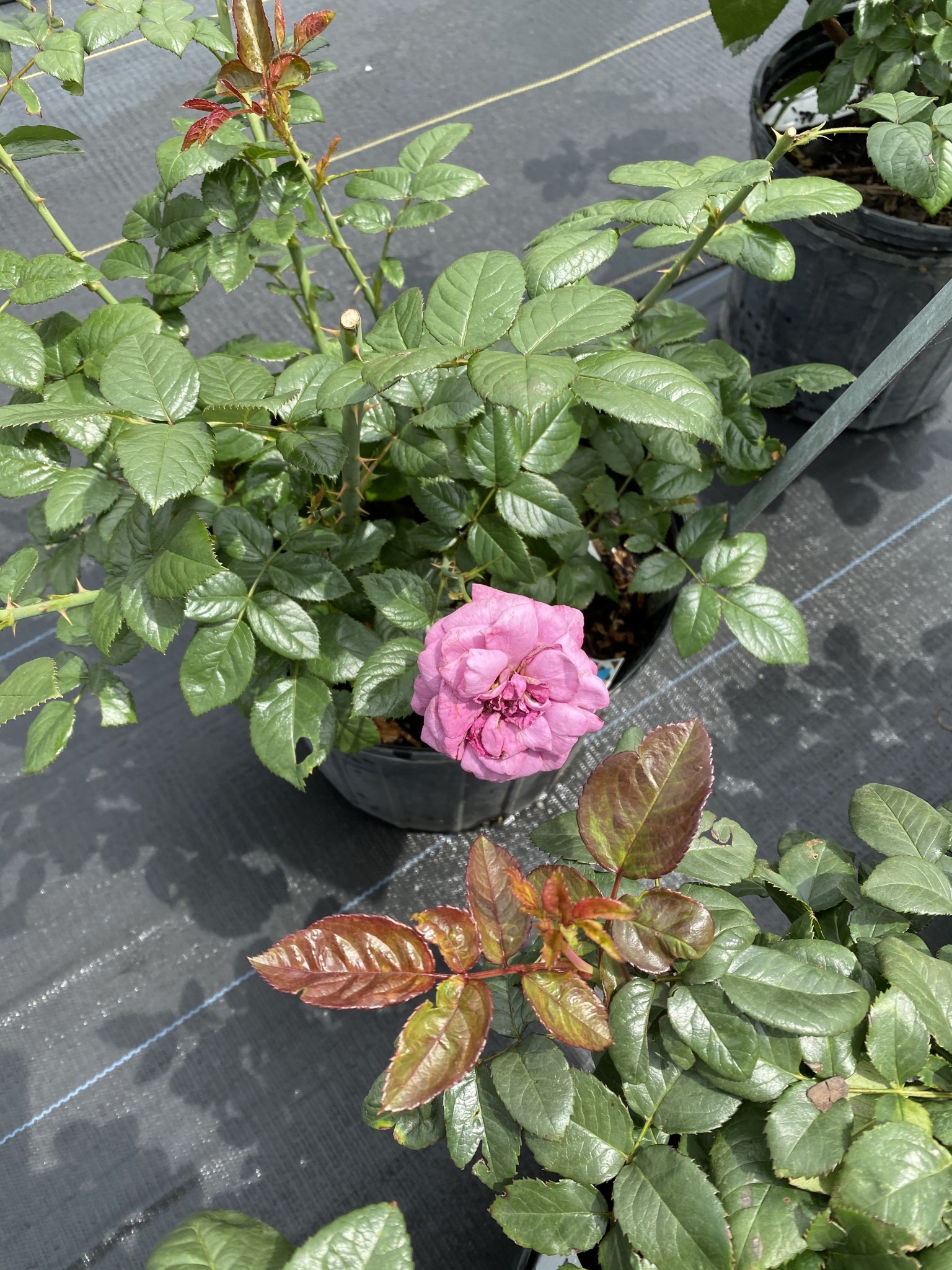
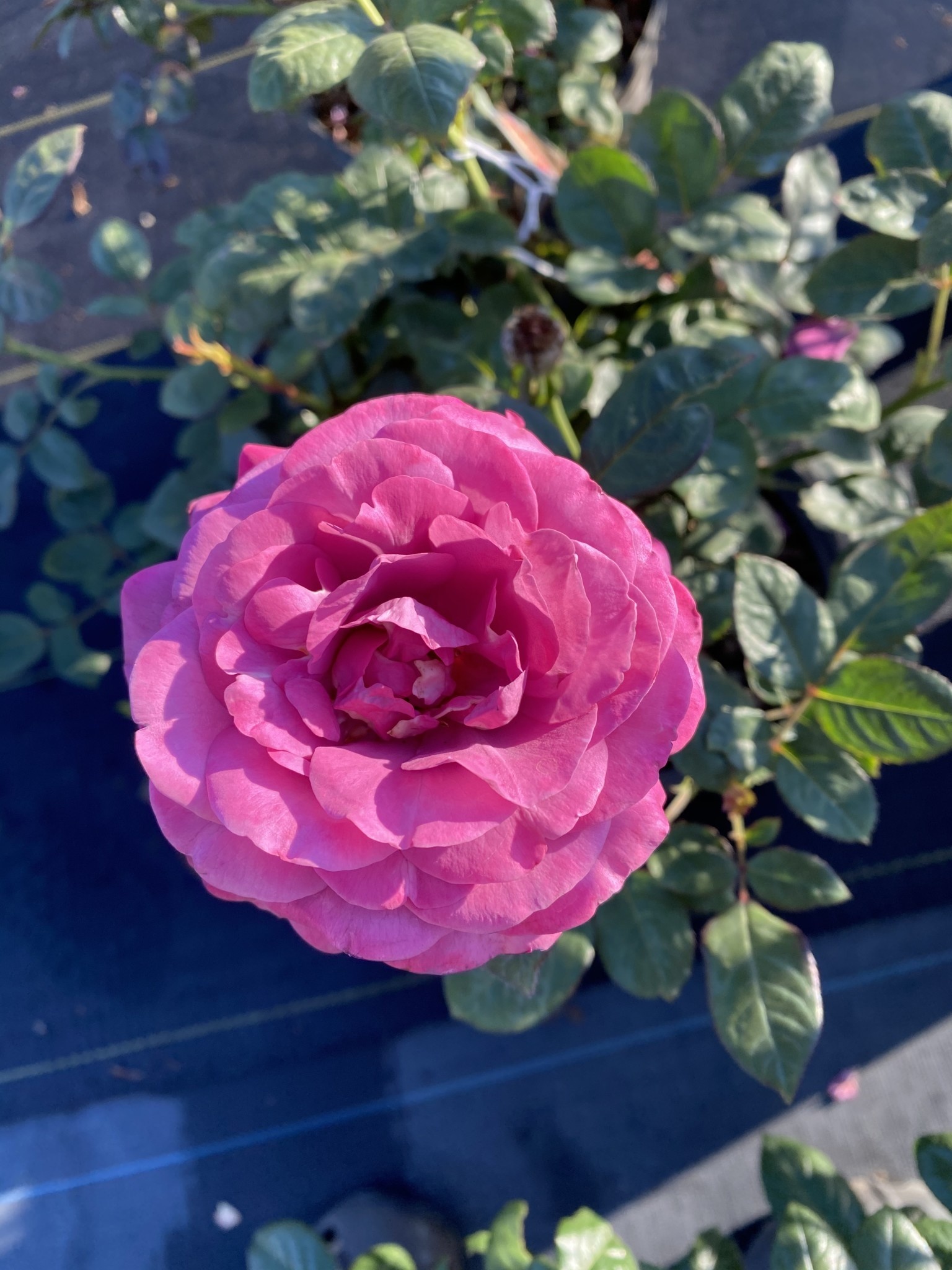
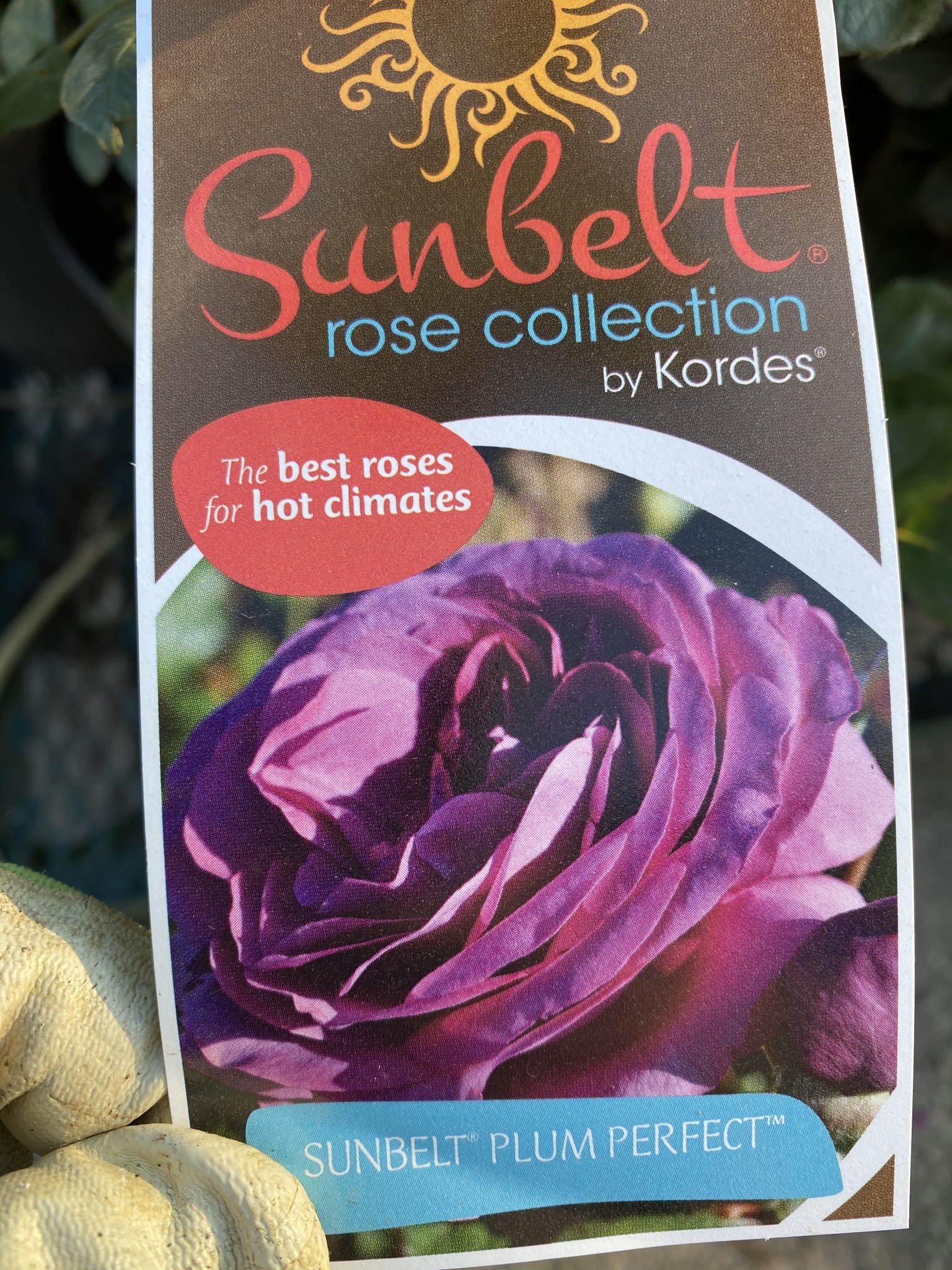
| Description | The 'Plum Perfect'™ Rose is a member of the Sunbelt® collection, specifically bred to maintain its vigorous growth and vibrant color in high-heat climates like the Houston metro area. It produces clusters of very double, lavender-to-plum purple blooms that do not fade in the intense Texas sun. Known for its exceptional resistance to black spot and mildew, it is one of the best-performing purple roses for our humid Gulf Coast environment. While it can handle our local clay soil, ensure the planting site is well-amended or elevated to provide the drainage necessary for healthy roses. |
| Exposure | Full Sun (6+ hours daily) |
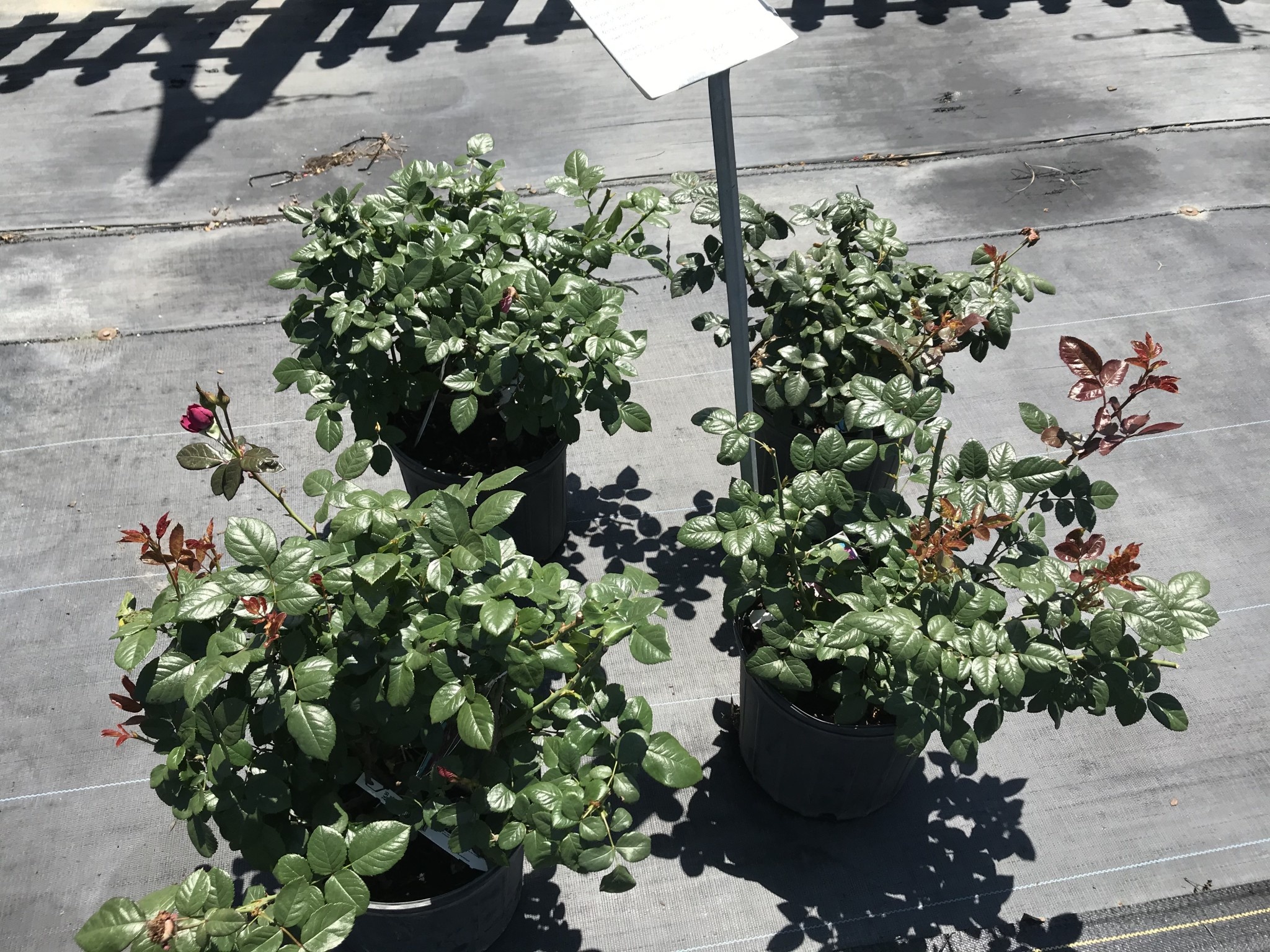
| Height x Width | 3' Height x 3' Width |
| Water | Average; water at the base regularly, especially during summer dry spells to maintain consistent blooming. |
| Zones | 5 - 11 |
| Fertilization | Apply a balanced rose fertilizer in early spring and again in late summer. |
| Pruning | Prune in late winter (February) to maintain a bushy shape and encourage new flowering wood. |
| Deer Resistance | Low |
| Botanical Name | Rosa 'KORpambufa' PP26814 |
| Description | The 'Plum Perfect'™ Rose is a member of the Sunbelt® collection, specifically bred to maintain its vigorous growth and vibrant color in high-heat climates like the Houston metro area. It produces clusters of very double, lavender-to-plum purple blooms that do not fade in the intense Texas sun. Known for its exceptional resistance to black spot and mildew, it is one of the best-performing purple roses for our humid Gulf Coast environment. While it can handle our local clay soil, ensure the planting site is well-amended or elevated to provide the drainage necessary for healthy roses. |
| Exposure | Full Sun (6+ hours daily) |
| Height x Width | 3' Height x 3' Width |
| Water | Average; water at the base regularly, especially during summer dry spells to maintain consistent blooming. |
| Zones | 5 - 11 |
| Fertilization | Apply a balanced rose fertilizer in early spring and again in late summer. |
| Pruning | Prune in late winter (February) to maintain a bushy shape and encourage new flowering wood. |
| Deer Resistance | Low |