
0
Shopping cart
You have no items in your cartSetting
Language
Currency




| Botanical Name | Rosa 'WEKvossutono' PP18473 |
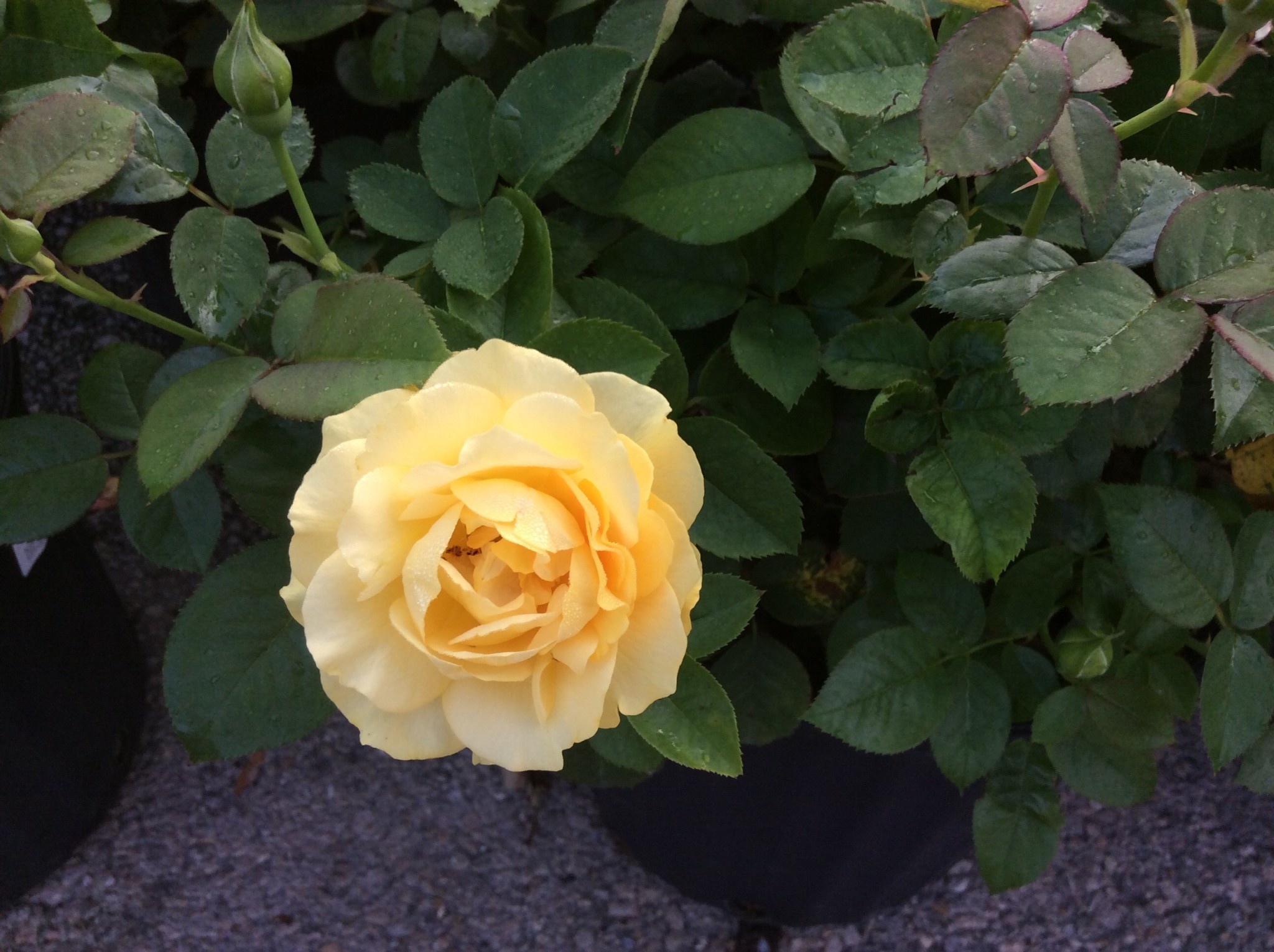
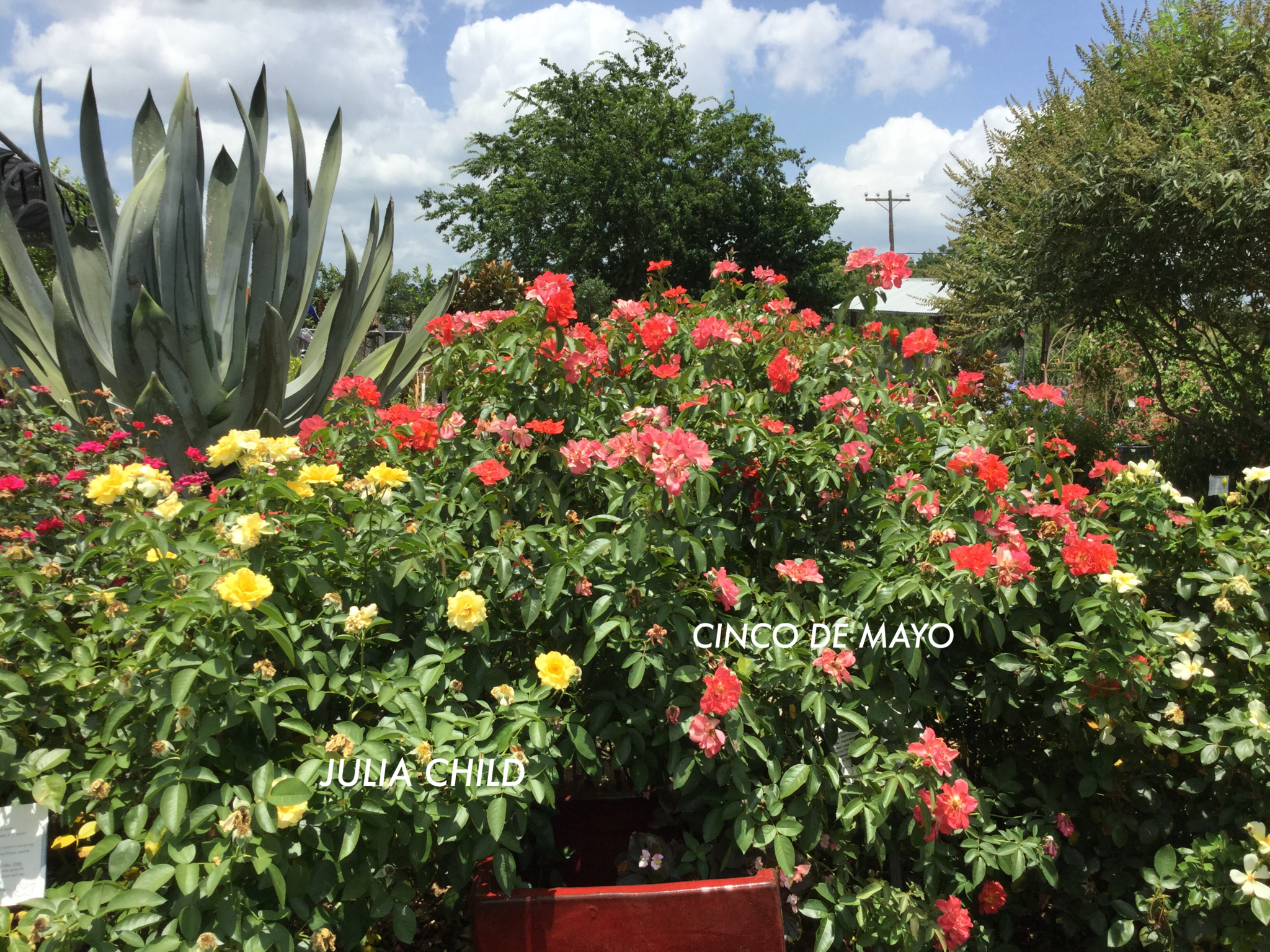
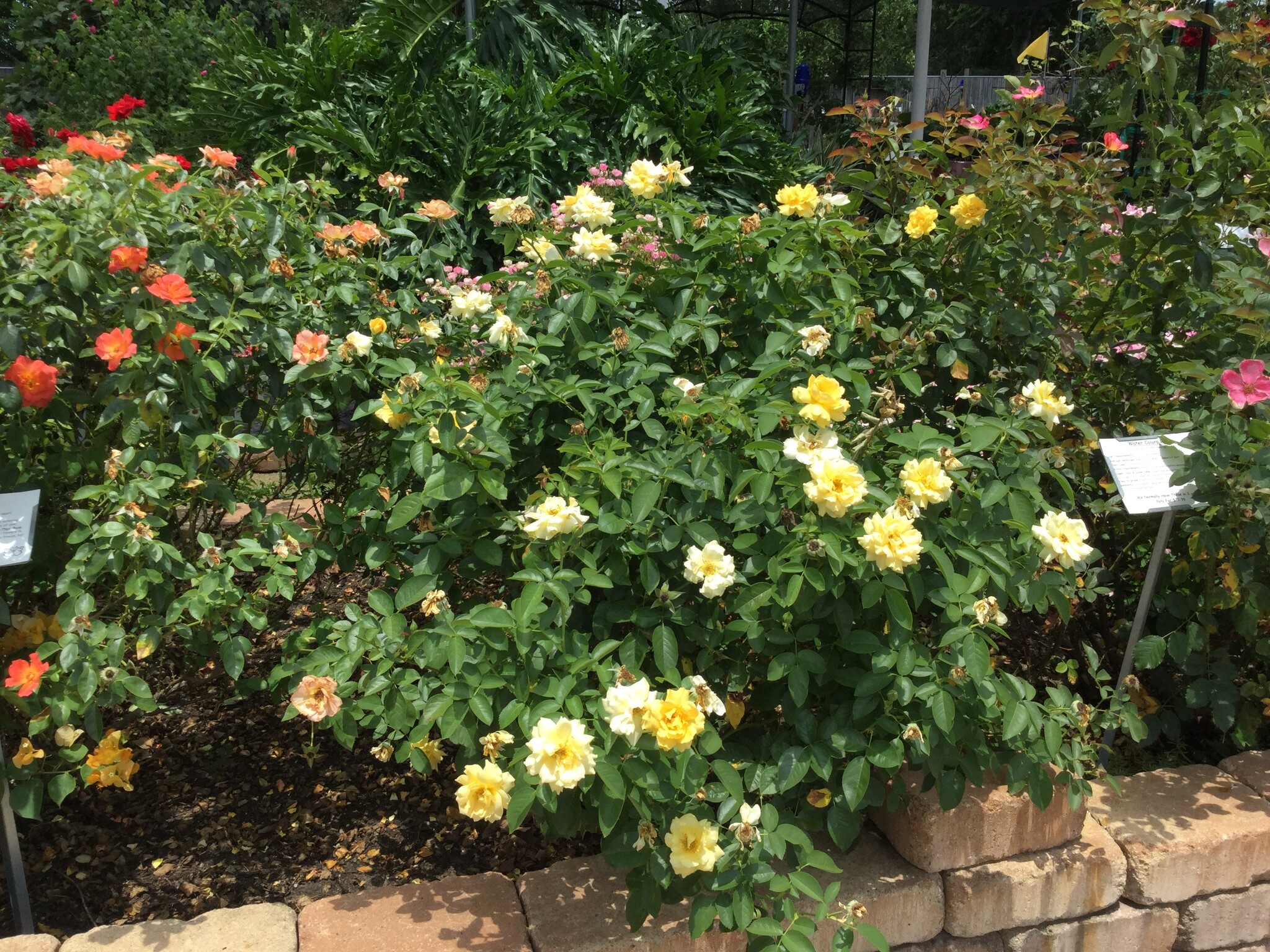
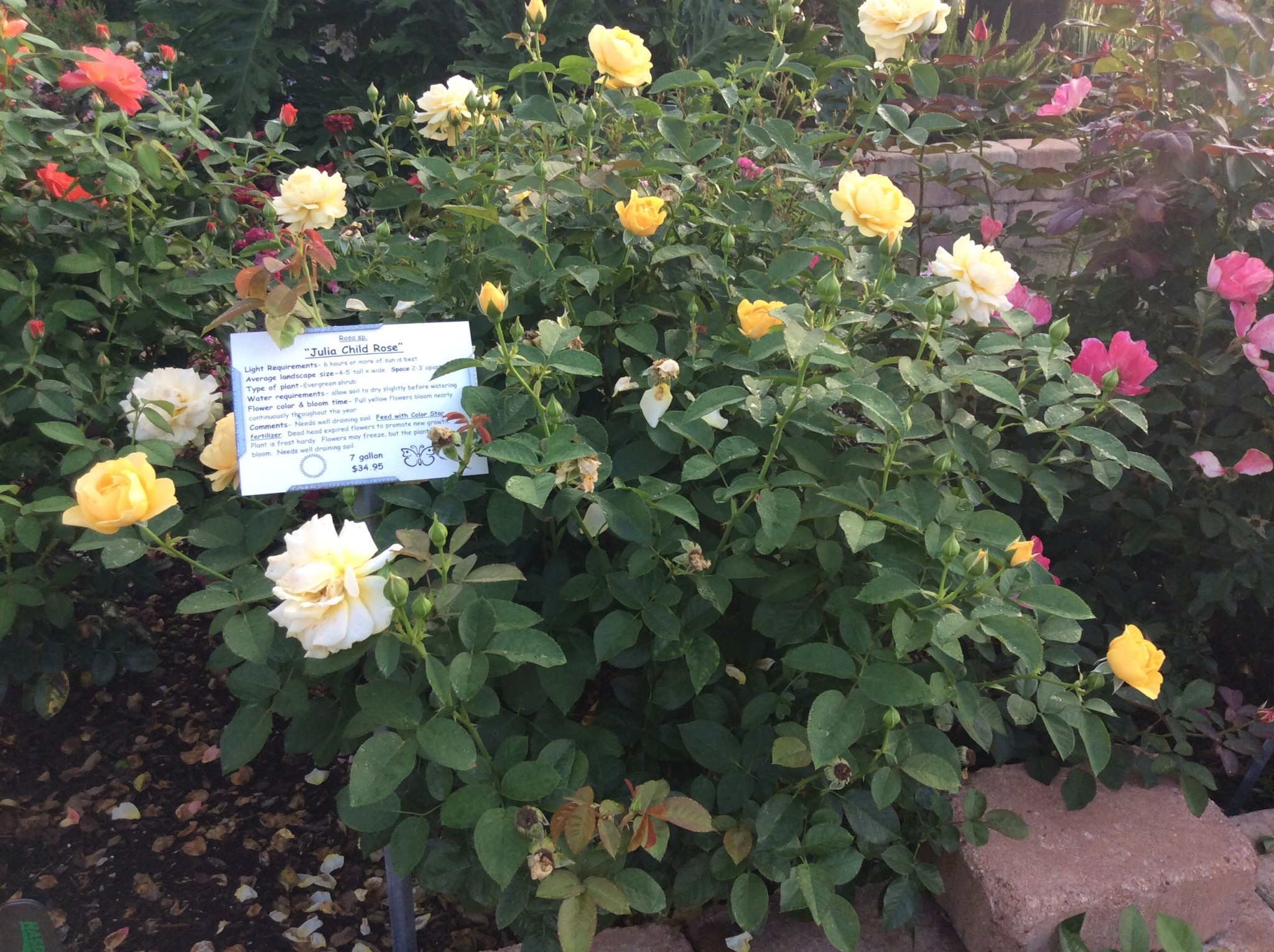
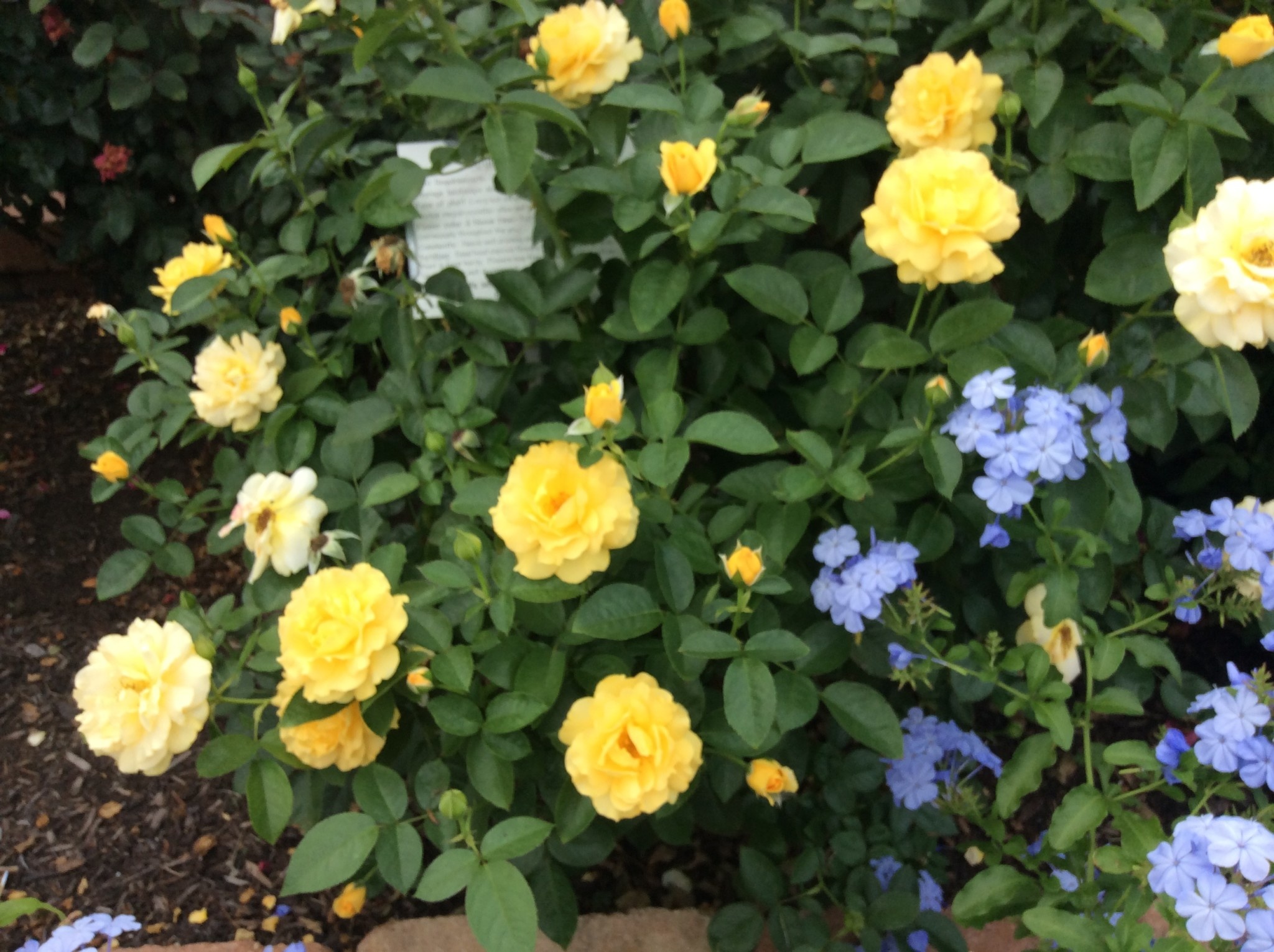
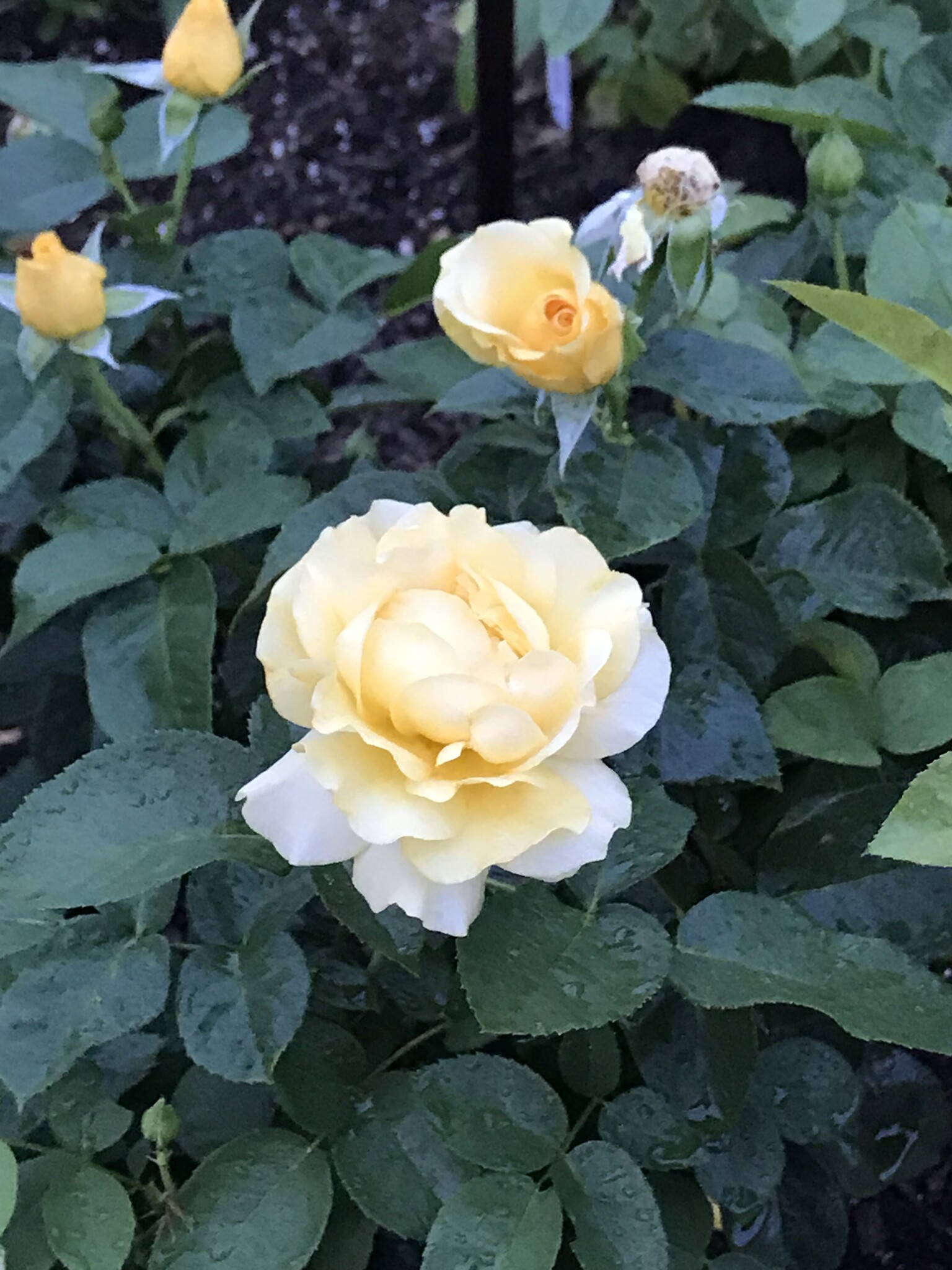
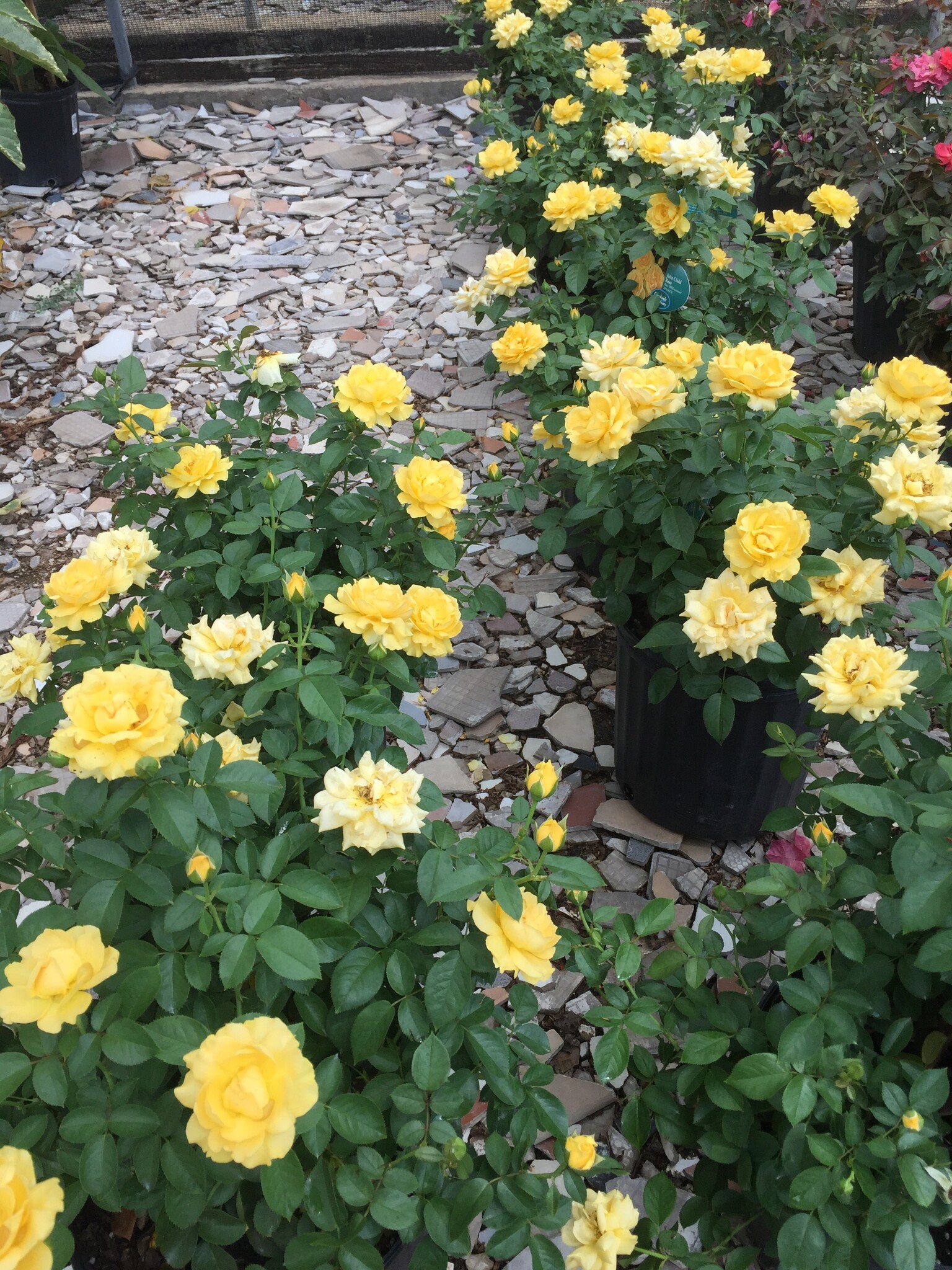
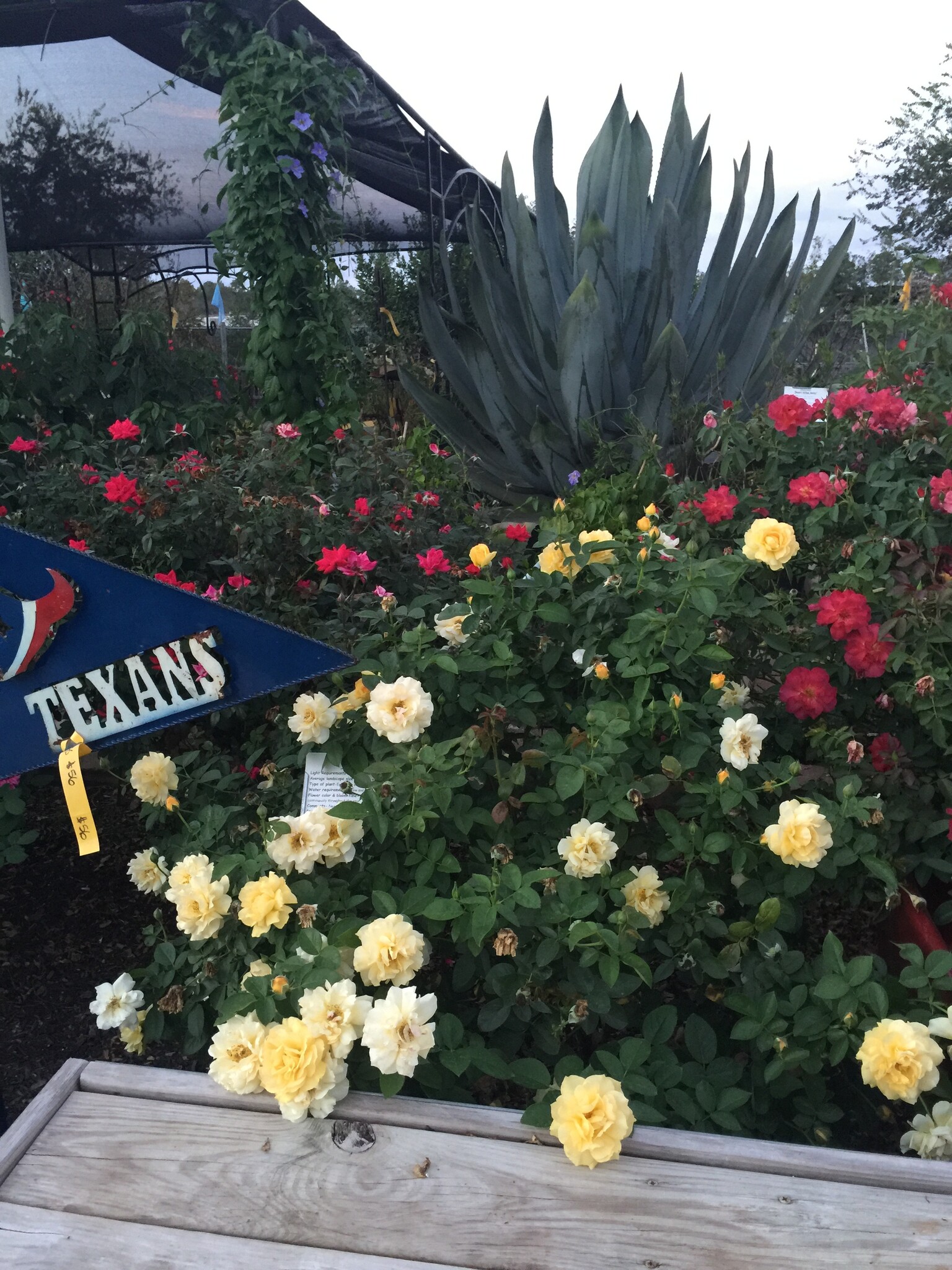
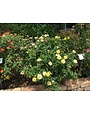
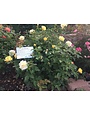
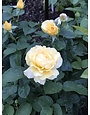
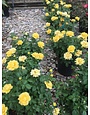
| Description | Personally selected by the famous chef herself, the Julia Child™ Rose is one of the best-performing yellow roses for the Houston metro area. It produces rounded clusters of buttery yellow, cup-shaped double blooms that emit a unique licorice and spice fragrance. This variety is highly regarded for its glossy, leathery green foliage that shows remarkable resistance to black spot—a major plus in our humid Gulf Coast climate. While it handles local clay soil well, providing a well-drained planting site with plenty of organic matter will ensure it thrives through our heavy rainy seasons. |
| Exposure | Full Sun (6+ hours daily) |
| Height x Width | 3' Height x 3' Width |
| Water | Regular; water at the base to keep foliage dry, especially during humid Houston nights. |
| Zones | 5 - 11 |
| Fertilization | Apply a balanced rose fertilizer monthly from early spring through fall for consistent blooming. |
| Pruning | Prune back by 1/3 in late winter (February) and deadhead spent blooms to encourage new flushes. |
| Deer Resistance | Low |
| Botanical Name | Rosa 'WEKvossutono' PP18473 |
| Description | Personally selected by the famous chef herself, the Julia Child™ Rose is one of the best-performing yellow roses for the Houston metro area. It produces rounded clusters of buttery yellow, cup-shaped double blooms that emit a unique licorice and spice fragrance. This variety is highly regarded for its glossy, leathery green foliage that shows remarkable resistance to black spot—a major plus in our humid Gulf Coast climate. While it handles local clay soil well, providing a well-drained planting site with plenty of organic matter will ensure it thrives through our heavy rainy seasons. |
| Exposure | Full Sun (6+ hours daily) |
| Height x Width | 3' Height x 3' Width |
| Water | Regular; water at the base to keep foliage dry, especially during humid Houston nights. |
| Zones | 5 - 11 |
| Fertilization | Apply a balanced rose fertilizer monthly from early spring through fall for consistent blooming. |
| Pruning | Prune back by 1/3 in late winter (February) and deadhead spent blooms to encourage new flushes. |
| Deer Resistance | Low |