0
Shopping cart
You have no items in your cartSetting
Language
Currency
| Botanical Name | Rosa 'Meiradena' PP31043 |
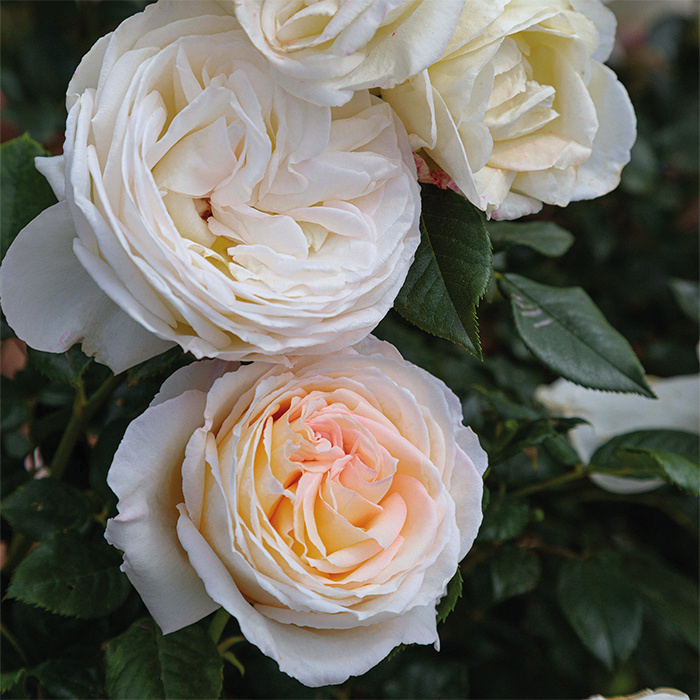
| Description | Part of the Bloomables® collection, 'Top Cream'™ is a Hybrid Tea-style rose that performs exceptionally well in the Houston metro area. It features large, old-fashioned, creamy white double blooms with a hint of light pink in the center and a heavy, classic rose fragrance. While many fragrant roses struggle with our humidity, this variety boasts excellent disease resistance. In our local clay soil, it is vital to plant in a raised bed or amend heavily with compost to ensure the deep drainage this rose requires to thrive during wet Gulf Coast springs. |
| Exposure | Full Sun (6+ hours daily) |
| Height x Width | 4' - 5' Height x 2' - 3' Width |
| Water | Regular; water at the base to keep foliage dry and help prevent fungal issues in Houston's humidity. |
| Zones | 5 - 11 |
| Fertilization | Apply a specialized rose fertilizer monthly from spring through fall for best bloom production. |
| Pruning | Major pruning should occur in late February; deadhead spent blooms throughout the season to encourage reblooming. |
| Deer Resistance | Low |
| Botanical Name | Rosa 'Meiradena' PP31043 |
| Description | Part of the Bloomables® collection, 'Top Cream'™ is a Hybrid Tea-style rose that performs exceptionally well in the Houston metro area. It features large, old-fashioned, creamy white double blooms with a hint of light pink in the center and a heavy, classic rose fragrance. While many fragrant roses struggle with our humidity, this variety boasts excellent disease resistance. In our local clay soil, it is vital to plant in a raised bed or amend heavily with compost to ensure the deep drainage this rose requires to thrive during wet Gulf Coast springs. |
| Exposure | Full Sun (6+ hours daily) |
| Height x Width | 4' - 5' Height x 2' - 3' Width |
| Water | Regular; water at the base to keep foliage dry and help prevent fungal issues in Houston's humidity. |
| Zones | 5 - 11 |
| Fertilization | Apply a specialized rose fertilizer monthly from spring through fall for best bloom production. |
| Pruning | Major pruning should occur in late February; deadhead spent blooms throughout the season to encourage reblooming. |
| Deer Resistance | Low |