0
Shopping cart
You have no items in your cartSetting
Language
Currency
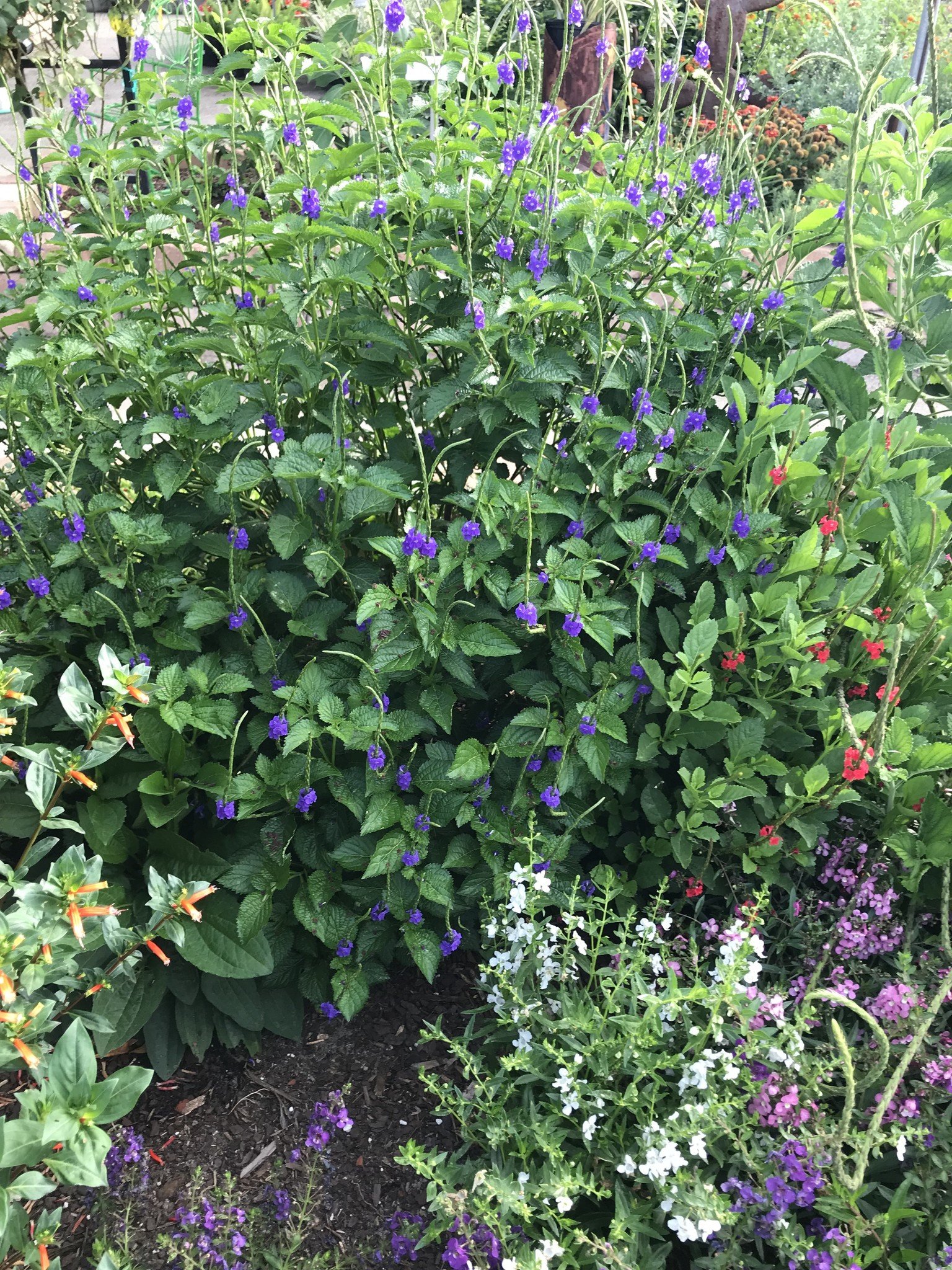
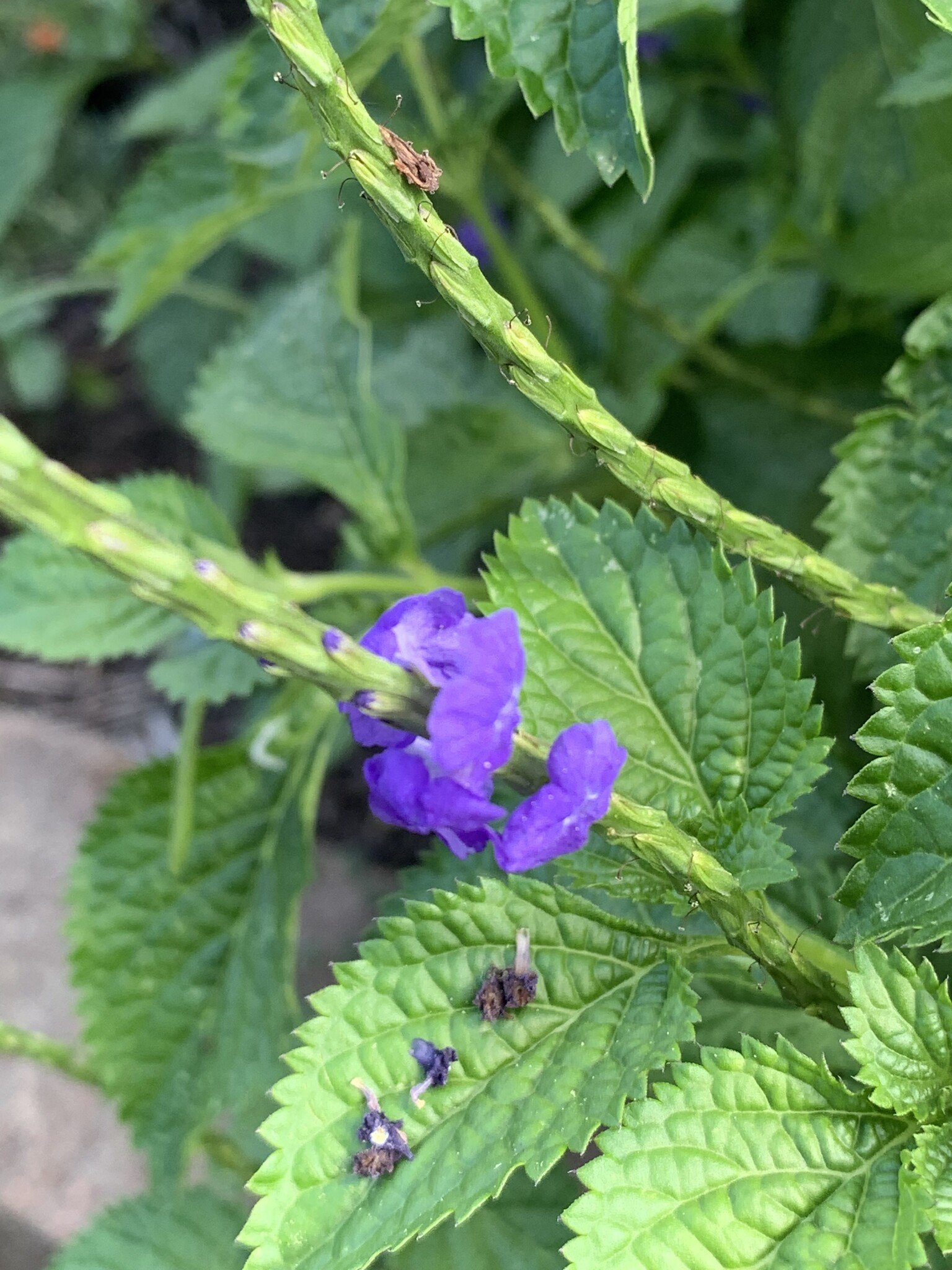
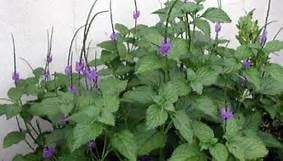
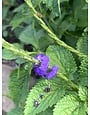
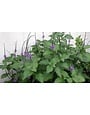
Blue porterweed (Stachytarpheta jamaicensis) is a hardy, perennial plant native to the southern United States and Latin America. It grows up to 3-4 feet (0.9-1.2 meters) tall and produces striking blue to purple flowers that attract butterflies and hummingbirds. The plant prefers full sun and well-drained soil, and is relatively low-maintenance. In some cultures, it is used as a medicinal herb to treat a variety of ailments. Blue porterweed is also known for its adaptability and ability to restore ecosystems, making it a popular choice for landscaping in warmer climates.
Blue porterweed (Stachytarpheta jamaicensis) is a hardy, perennial plant native to the southern United States and Latin America. It grows up to 3-4 feet (0.9-1.2 meters) tall and produces striking blue to purple flowers that attract butterflies and hummingbirds. The plant prefers full sun and well-drained soil, and is relatively low-maintenance. In some cultures, it is used as a medicinal herb to treat a variety of ailments. Blue porterweed is also known for its adaptability and ability to restore ecosystems, making it a popular choice for landscaping in warmer climates.