0
Shopping cart
You have no items in your cartSetting
Language
Currency
| Botanical Name | Thaumatophyllum xanadu |
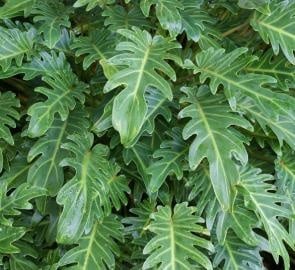
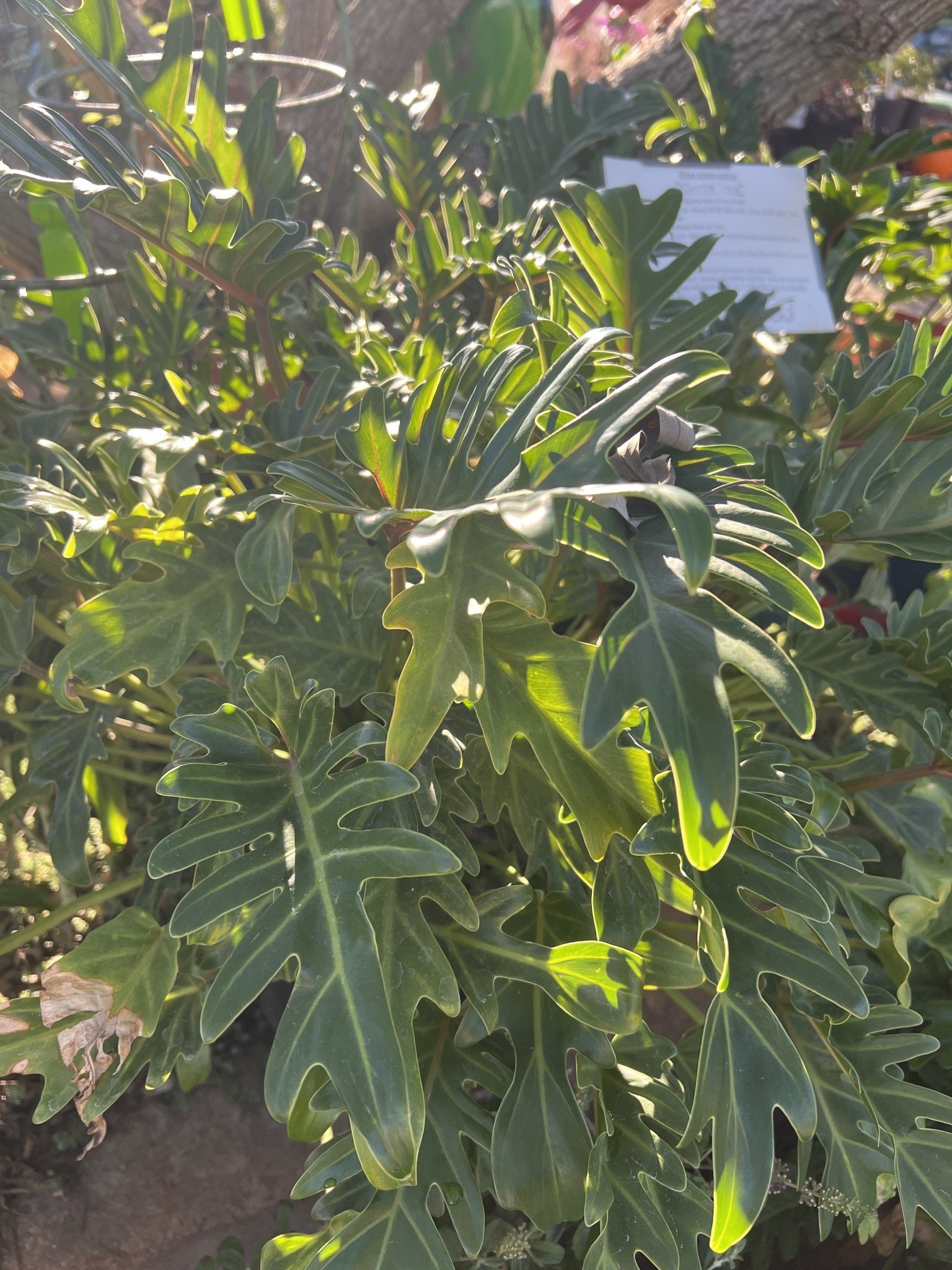
| Description | Unlike its larger climbing relatives, Xanadu stays in a neat, mounded shape. It flourishes in Southeast Texas humidity but is sensitive to soggy roots; it requires well-draining soil and can struggle in heavy, unamended Houston clay. It is best to plant in raised beds or incorporate plenty of organic matter. |
| Exposure | Part Shade to Shade; avoid direct, hot afternoon sun. |
| Height x Width | 2-3 ft. x 3-5 ft. |
| Water | Average; keep soil moist but allow the top inch to dry between waterings. |
| Zones | 9 - 11 (Perennial in Houston; protect during hard freezes). |
| Fertilization | Balanced slow-release fertilizer in spring and mid-summer. |
| Pruning | Remove spent or yellowing leaves at the base to maintain a clean look. |
| Deer Resistance | High |
| Botanical Name | Thaumatophyllum xanadu |
| Description | Unlike its larger climbing relatives, Xanadu stays in a neat, mounded shape. It flourishes in Southeast Texas humidity but is sensitive to soggy roots; it requires well-draining soil and can struggle in heavy, unamended Houston clay. It is best to plant in raised beds or incorporate plenty of organic matter. |
| Exposure | Part Shade to Shade; avoid direct, hot afternoon sun. |
| Height x Width | 2-3 ft. x 3-5 ft. |
| Water | Average; keep soil moist but allow the top inch to dry between waterings. |
| Zones | 9 - 11 (Perennial in Houston; protect during hard freezes). |
| Fertilization | Balanced slow-release fertilizer in spring and mid-summer. |
| Pruning | Remove spent or yellowing leaves at the base to maintain a clean look. |
| Deer Resistance | High |