0
Shopping cart
You have no items in your cartSetting
Language
Currency
| Botanical Name | Lupinus texensis |
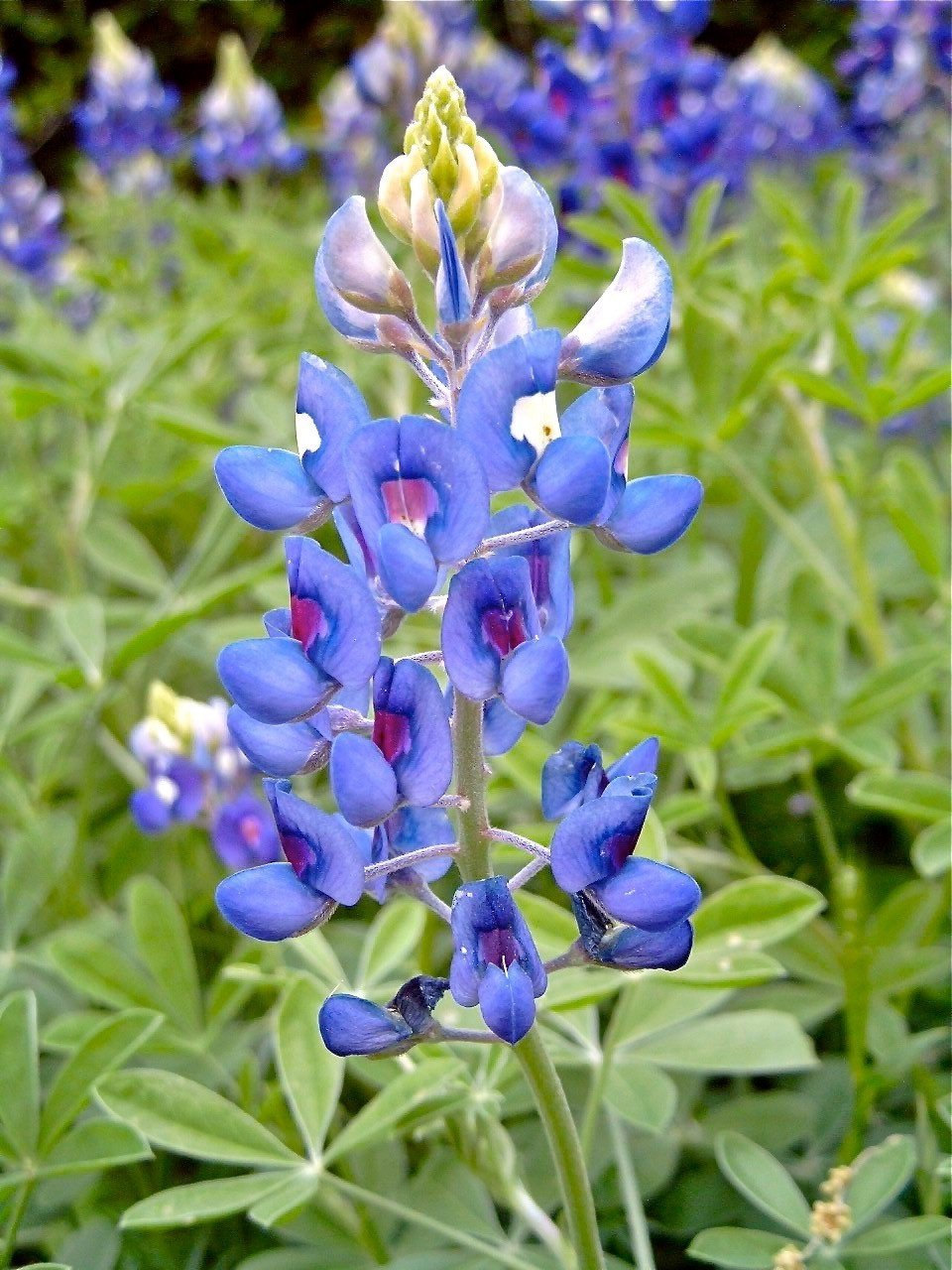
| Description | The legendary State Flower of Texas is a spring essential for the Willis and Houston metro area. These 1-gallon plants provide a "head start" for a stunning blue display. Bluebonnets are winter annuals that bloom from March to early May. To succeed in our local clay, they must be planted in a sunny, well-drained spot; they do not like to be overwatered or crowded by heavy mulch, which can cause crown rot in our humid Southeast Texas climate. |
| Exposure | Full Sun (Required for strong stems and prolific blooms) |
| Height x Width | 12-15 in. Tall x 8-12 in. Wide |
| Water | Low to Moderate. Very drought-tolerant once established. Ensure soil dries out between waterings to prevent root issues. |
| Zones | 4 - 8 (Grown as a winter annual in Texas) |
| Fertilization | Generally not needed. As a legume, bluebonnets fix their own nitrogen. Excessive fertilizer will result in more leaves and fewer flowers. |
| Pruning | Do not mow or prune until the seed pods have turned brown and "popped" if you want them to reseed for next year! |
| Deer Resistance | High (Deer usually find them unpalatable) |
| Botanical Name | Lupinus texensis |
| Description | The legendary State Flower of Texas is a spring essential for the Willis and Houston metro area. These 1-gallon plants provide a "head start" for a stunning blue display. Bluebonnets are winter annuals that bloom from March to early May. To succeed in our local clay, they must be planted in a sunny, well-drained spot; they do not like to be overwatered or crowded by heavy mulch, which can cause crown rot in our humid Southeast Texas climate. |
| Exposure | Full Sun (Required for strong stems and prolific blooms) |
| Height x Width | 12-15 in. Tall x 8-12 in. Wide |
| Water | Low to Moderate. Very drought-tolerant once established. Ensure soil dries out between waterings to prevent root issues. |
| Zones | 4 - 8 (Grown as a winter annual in Texas) |
| Fertilization | Generally not needed. As a legume, bluebonnets fix their own nitrogen. Excessive fertilizer will result in more leaves and fewer flowers. |
| Pruning | Do not mow or prune until the seed pods have turned brown and "popped" if you want them to reseed for next year! |
| Deer Resistance | High (Deer usually find them unpalatable) |