
0
Shopping cart
You have no items in your cartSetting
Language
Currency
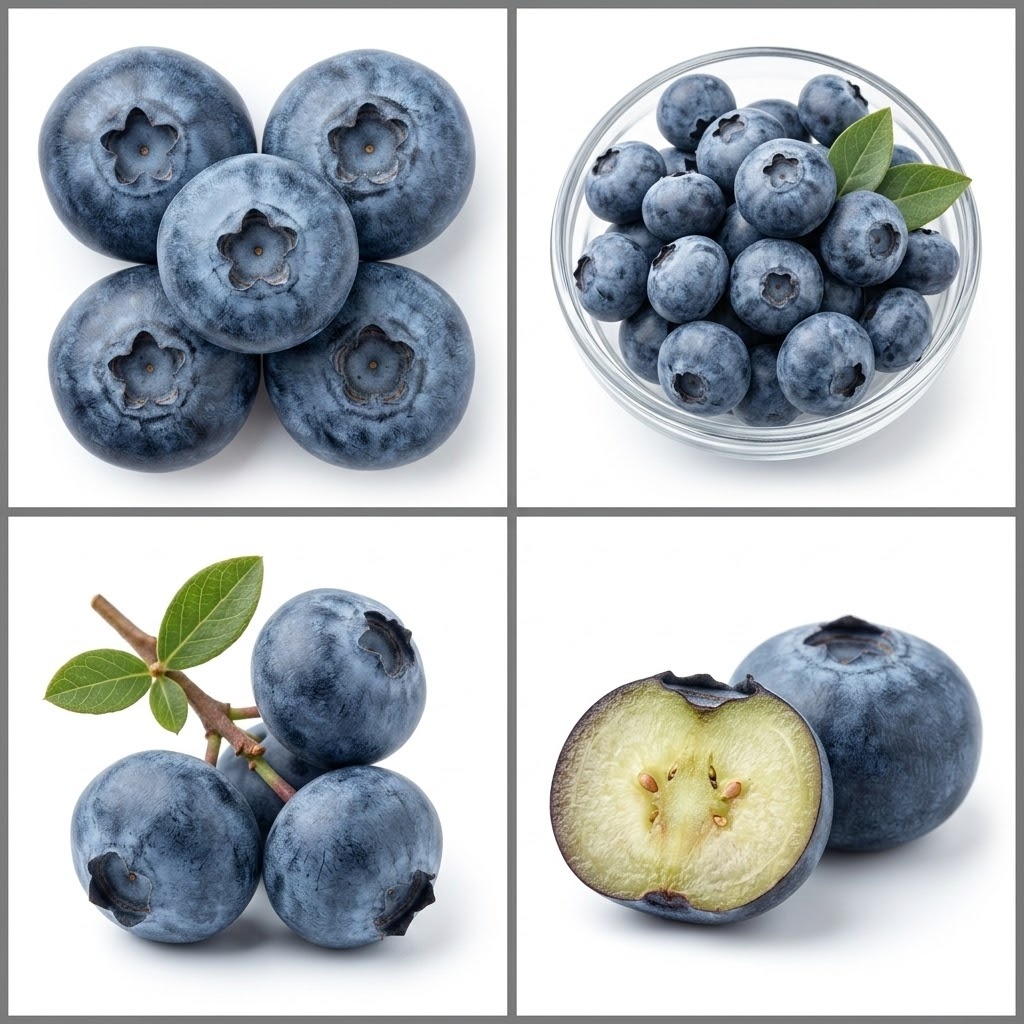

| Botanical Name | Vaccinium 'Pink Lemonade' |
| Description | A beautiful and delicious Rabbiteye hybrid, 'Pink Lemonade' offers four seasons of interest in the Houston metro area. It produces firm, bright pink berries with a sweet, flowery flavor. While it is more tolerant of our intense heat and humidity than Northern varieties, it still requires acidic soil (pH 4.5-5.5) to thrive. It is a fantastic ornamental-edible that handles heavy clay only if planted in raised beds with plenty of organic matter. Requires approximately 300-500 chill hours. |
| Exposure | Full Sun to Partial Shade (Appreciates afternoon shade in Houston) |
| Height x Width | 4-5' H x 4-5' W |
| Water | Moderate to High; blueberries have shallow roots and require consistent moisture, especially during the hot Houston summers. |
| Zones | 4 - 9 |
| Fertilization | Use an acid-loving plant fertilizer (like those for Azaleas) in early spring before fruit set. |
| Pruning | Prune in late winter to remove dead wood and thin out the center to improve air circulation in our humid climate. |
| Deer Resistance | Low; deer enjoy the foliage and the sweet fruit. |
| Botanical Name | Vaccinium 'Pink Lemonade' |
| Description | A beautiful and delicious Rabbiteye hybrid, 'Pink Lemonade' offers four seasons of interest in the Houston metro area. It produces firm, bright pink berries with a sweet, flowery flavor. While it is more tolerant of our intense heat and humidity than Northern varieties, it still requires acidic soil (pH 4.5-5.5) to thrive. It is a fantastic ornamental-edible that handles heavy clay only if planted in raised beds with plenty of organic matter. Requires approximately 300-500 chill hours. |
| Exposure | Full Sun to Partial Shade (Appreciates afternoon shade in Houston) |
| Height x Width | 4-5' H x 4-5' W |
| Water | Moderate to High; blueberries have shallow roots and require consistent moisture, especially during the hot Houston summers. |
| Zones | 4 - 9 |
| Fertilization | Use an acid-loving plant fertilizer (like those for Azaleas) in early spring before fruit set. |
| Pruning | Prune in late winter to remove dead wood and thin out the center to improve air circulation in our humid climate. |
| Deer Resistance | Low; deer enjoy the foliage and the sweet fruit. |