0
Shopping cart
You have no items in your cartSetting
Language
Currency
| Botanical Name | Cycas revoluta |
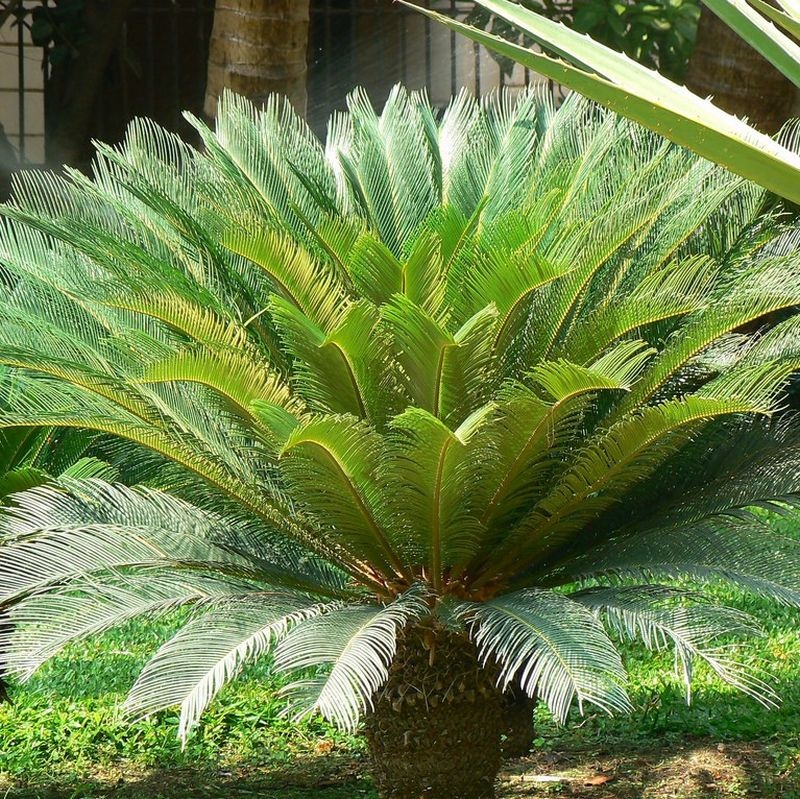
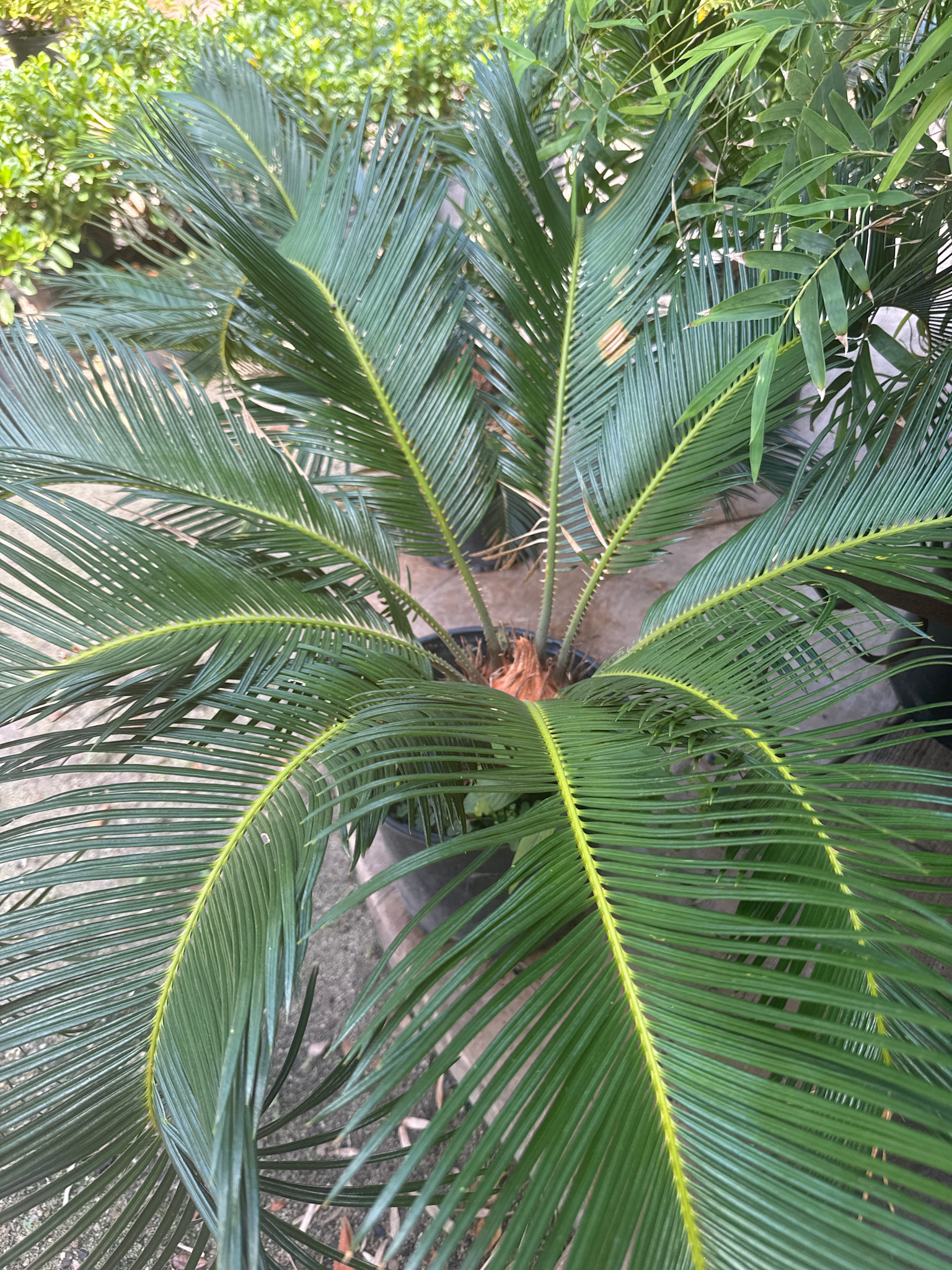
| Description | The Sago Palm is a staple for Houston landscapes, prized for its extreme durability and tropical look. Despite its name, it is a cycad, not a true palm. It is exceptionally slow-growing and handles local humidity well. It requires very well-drained soil; sitting in water-logged clay will cause root rot. Note: All parts of this plant are toxic to pets and humans if ingested. |
| Exposure | Full Sun to Part Shade (Afternoon shade helps prevent leaf scorch in Houston) |
| Height x Width | 3-10 ft. Tall x 3-8 ft. Wide (Very slow growth) |
| Water | Low to Medium; allow soil to dry significantly between waterings. Drought tolerant. |
| Zones | 8 - 11 (May require protection during extreme Houston hard freezes) |
| Fertilization | Apply a slow-release palm fertilizer in spring, summer, and fall. |
| Pruning | Only remove completely brown or dead fronds to maintain plant health. |
| Deer Resistance | High |
| Botanical Name | Cycas revoluta |
| Description | The Sago Palm is a staple for Houston landscapes, prized for its extreme durability and tropical look. Despite its name, it is a cycad, not a true palm. It is exceptionally slow-growing and handles local humidity well. It requires very well-drained soil; sitting in water-logged clay will cause root rot. Note: All parts of this plant are toxic to pets and humans if ingested. |
| Exposure | Full Sun to Part Shade (Afternoon shade helps prevent leaf scorch in Houston) |
| Height x Width | 3-10 ft. Tall x 3-8 ft. Wide (Very slow growth) |
| Water | Low to Medium; allow soil to dry significantly between waterings. Drought tolerant. |
| Zones | 8 - 11 (May require protection during extreme Houston hard freezes) |
| Fertilization | Apply a slow-release palm fertilizer in spring, summer, and fall. |
| Pruning | Only remove completely brown or dead fronds to maintain plant health. |
| Deer Resistance | High |