0
Shopping cart
You have no items in your cartSetting
Language
Currency
| Botanical Name | Quercus virginiana |
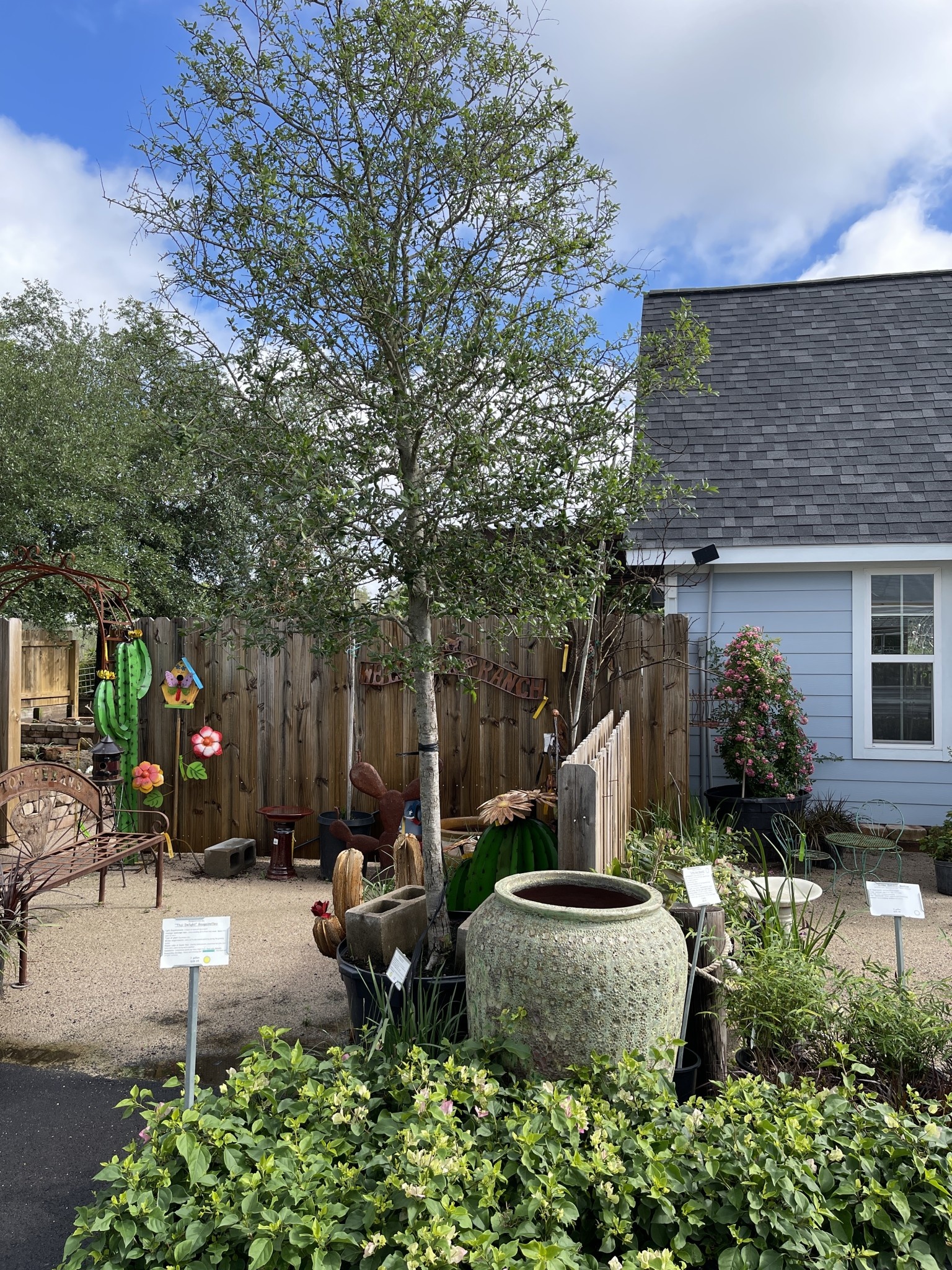
| Description | The Live Oak is an enduring symbol of the South and one of the most reliable shade trees for the Houston metro area. This 65-gallon (65G) specimen provides immediate architectural impact and substantial shade. It is exceptionally well-adapted to our heavy clay soils and high humidity, boasting legendary wind resistance during Gulf Coast storms. Its thick, leathery green leaves remain on the tree year-round, dropping only briefly in late winter as new growth emerges. With a canopy that can eventually span wider than the tree is tall, it is the ultimate "legacy tree" for larger Texas properties. |
| Exposure | Full Sun |
| Height x Width | 40-60' Height x 60-100' Width |
| Water | Moderate; requires regular deep watering to establish its extensive root system in Houston clay. Once established, it is highly drought-tolerant. |
| Zones | 7 - 10 |
| Fertilization | Apply a balanced, slow-release fertilizer in early spring to encourage healthy canopy development. |
| Pruning | Prune during the hottest part of summer or coldest part of winter to minimize the risk of Oak Wilt. Mainly needed to remove dead wood and establish good structure. |
| Deer Resistance | High |
| Botanical Name | Quercus virginiana |
| Description | The Live Oak is an enduring symbol of the South and one of the most reliable shade trees for the Houston metro area. This 65-gallon (65G) specimen provides immediate architectural impact and substantial shade. It is exceptionally well-adapted to our heavy clay soils and high humidity, boasting legendary wind resistance during Gulf Coast storms. Its thick, leathery green leaves remain on the tree year-round, dropping only briefly in late winter as new growth emerges. With a canopy that can eventually span wider than the tree is tall, it is the ultimate "legacy tree" for larger Texas properties. |
| Exposure | Full Sun |
| Height x Width | 40-60' Height x 60-100' Width |
| Water | Moderate; requires regular deep watering to establish its extensive root system in Houston clay. Once established, it is highly drought-tolerant. |
| Zones | 7 - 10 |
| Fertilization | Apply a balanced, slow-release fertilizer in early spring to encourage healthy canopy development. |
| Pruning | Prune during the hottest part of summer or coldest part of winter to minimize the risk of Oak Wilt. Mainly needed to remove dead wood and establish good structure. |
| Deer Resistance | High |