0
Shopping cart
You have no items in your cartSetting
Language
Currency
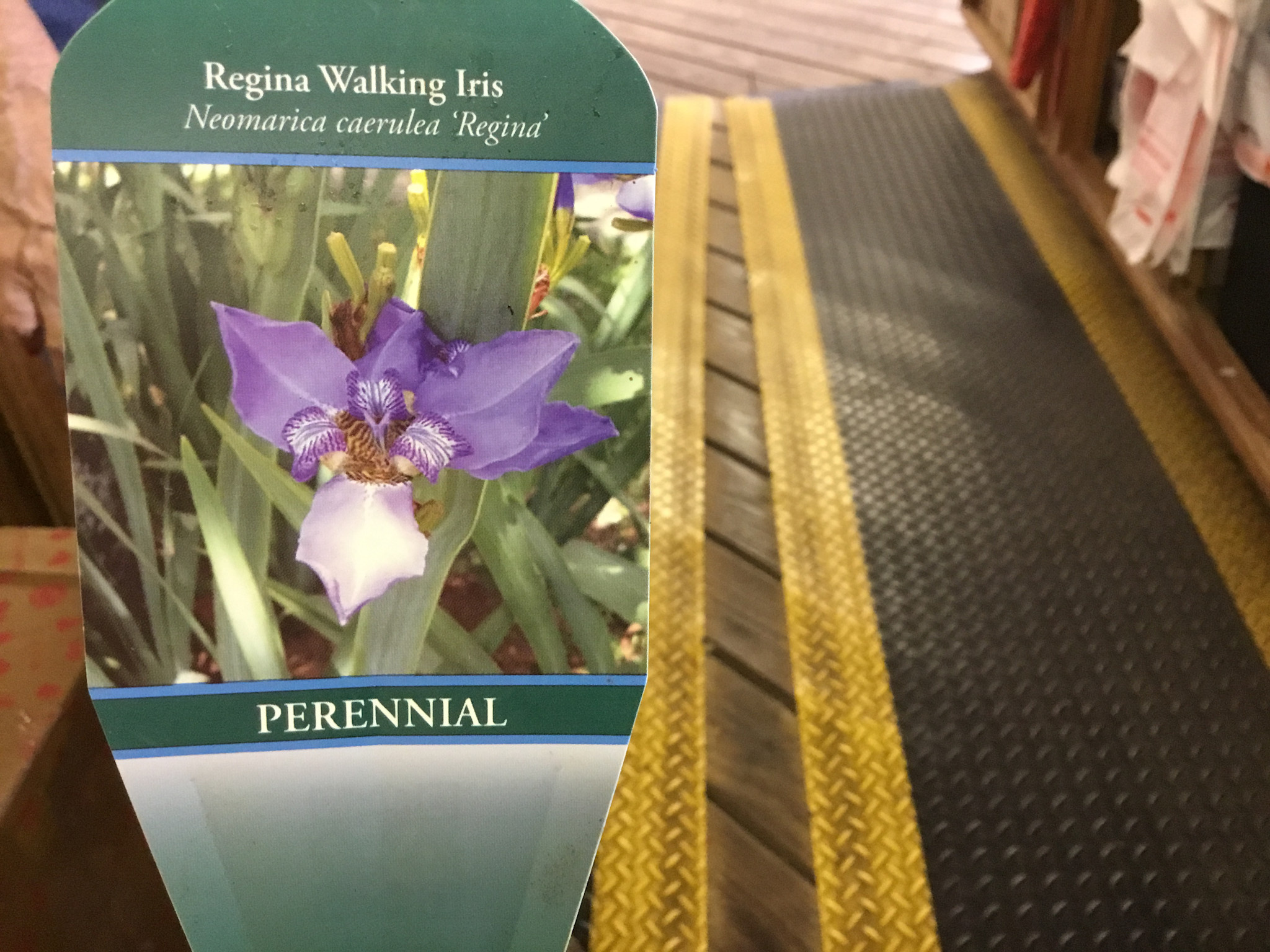
| Botanical Name | Neomarica caerulea 'Regina' |
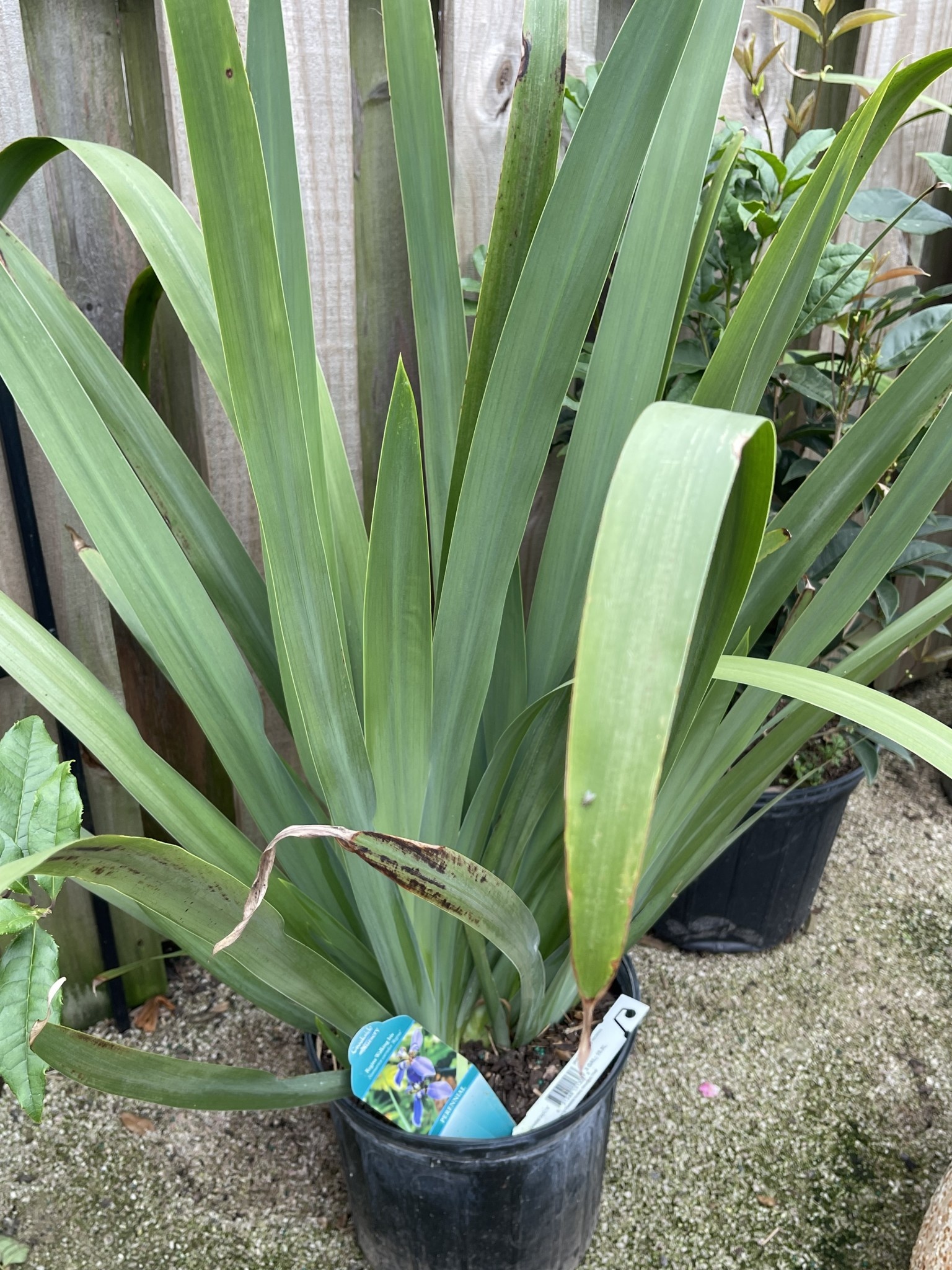
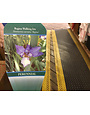
| Description | Commonly known as the Giant Walking Iris, this plant thrives in the humidity of Southeast Texas. It is fairly adaptable to different soil types, but in the Houston area, it prefers moist, organic-rich soil. While it can tolerate some clay, ensuring the site is not prone to standing water will keep the root system healthy. |
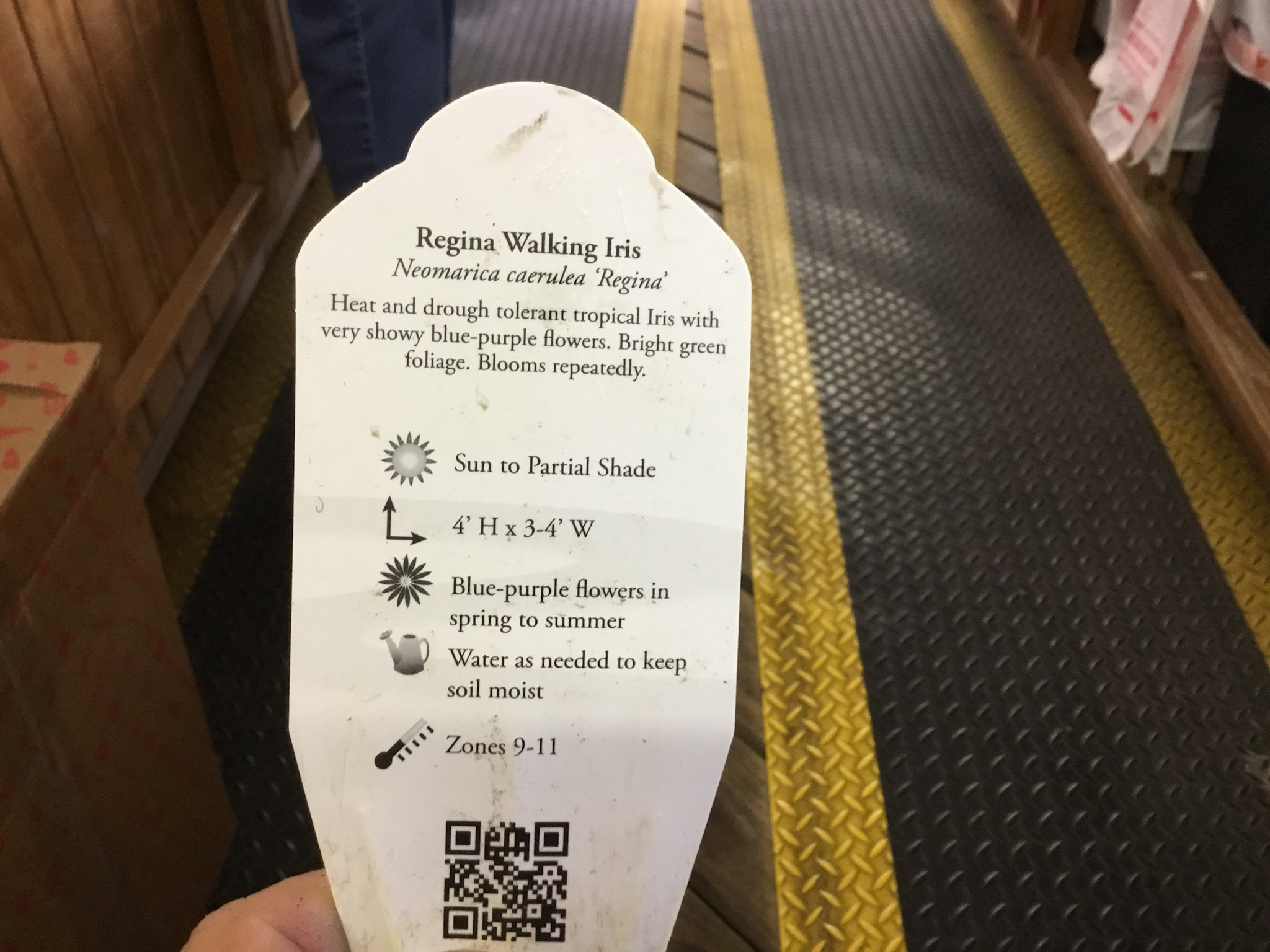
| Exposure | Part Shade to Light Shade; avoid harsh afternoon sun. |
| Height x Width | 3-4 ft. x 2-3 ft. |
| Water | Regular; prefers consistently moist soil. |
| Zones | 9 - 11 (Perennial in Houston; protect during hard freezes) |
| Fertilization | Apply a balanced, slow-release fertilizer in early spring and mid-summer. |
| Pruning | Remove spent flower stalks and any frost-damaged leaves in late winter. |
| Deer Resistance | Moderate |
| Botanical Name | Neomarica caerulea 'Regina' |
| Description | Commonly known as the Giant Walking Iris, this plant thrives in the humidity of Southeast Texas. It is fairly adaptable to different soil types, but in the Houston area, it prefers moist, organic-rich soil. While it can tolerate some clay, ensuring the site is not prone to standing water will keep the root system healthy. |
| Exposure | Part Shade to Light Shade; avoid harsh afternoon sun. |
| Height x Width | 3-4 ft. x 2-3 ft. |
| Water | Regular; prefers consistently moist soil. |
| Zones | 9 - 11 (Perennial in Houston; protect during hard freezes) |
| Fertilization | Apply a balanced, slow-release fertilizer in early spring and mid-summer. |
| Pruning | Remove spent flower stalks and any frost-damaged leaves in late winter. |
| Deer Resistance | Moderate |