0
Shopping cart
You have no items in your cartSetting
Language
Currency
| Botanical Name | Myrica cerifera |
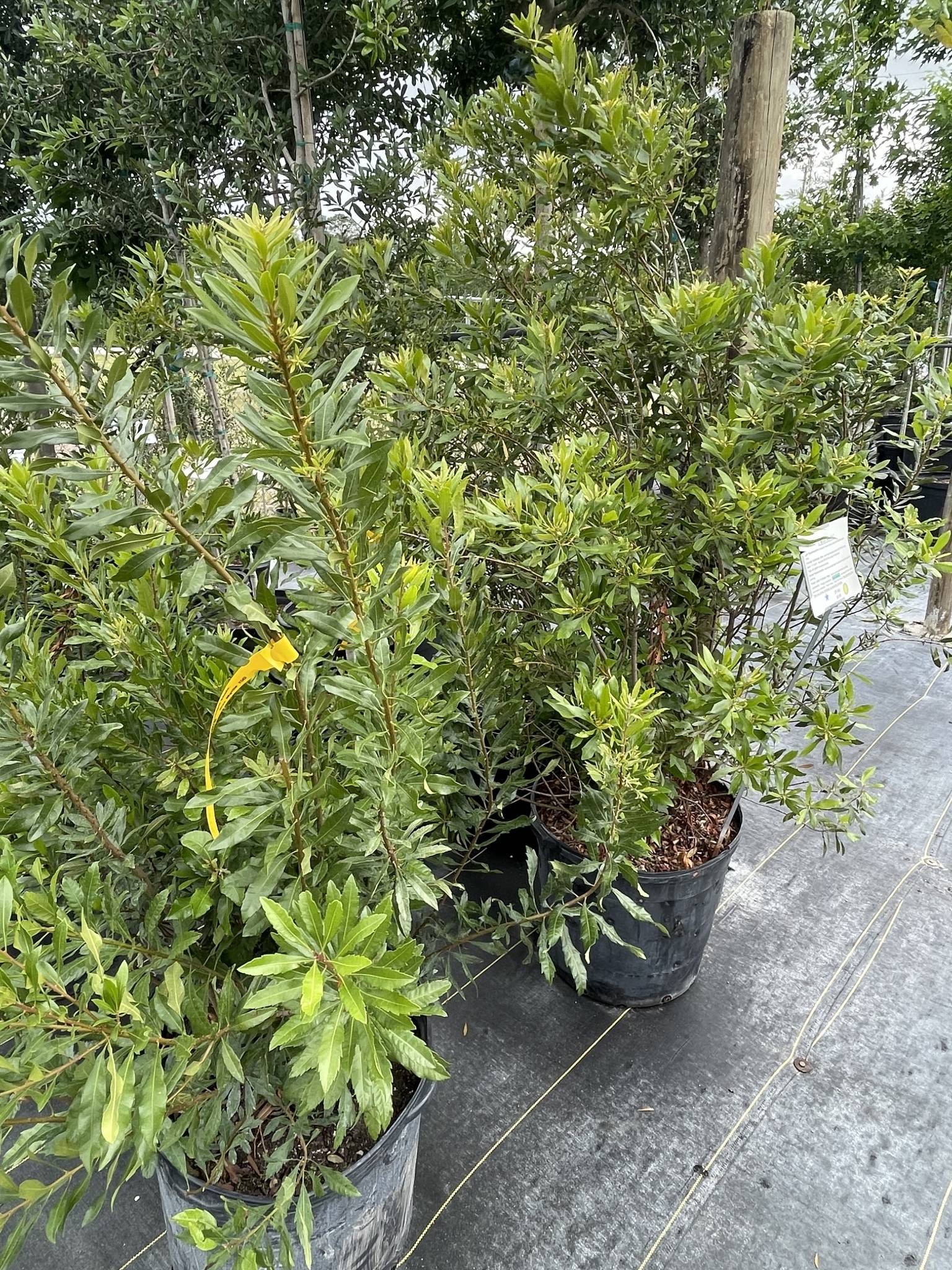
| Description | The Southern Wax Myrtle is a landscaping essential for Southeast Texas. This large 15-gallon (15G) specimen provides an immediate, substantial evergreen presence for those looking to block unsightly views or create a natural "living wall." Known for its fragrant, bayberry-scented leaves, it thrives in the heat and humidity of the Houston metro area. It is one of the few plants that is equally at home in low-lying, wet areas and drier upland spots. Its dense growth habit makes it a favorite nesting site for songbirds, while the small waxy berries provide a vital winter food source for local wildlife. |
| Exposure | Full Sun to Partial Shade |
| Height x Width | 10-15' Height x 8-12' Width |
| Water | Moderate to High; very adaptable. It is highly tolerant of wet feet and soggy soil, yet becomes quite drought-resistant once its root system is established in our local clay. |
| Zones | 7 - 11 |
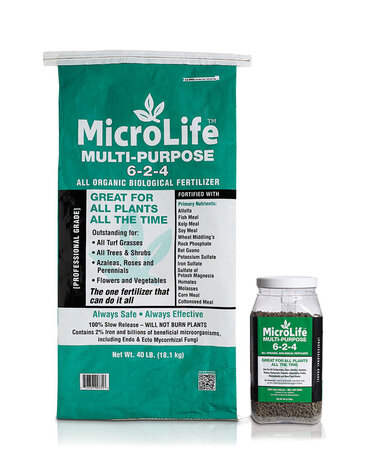
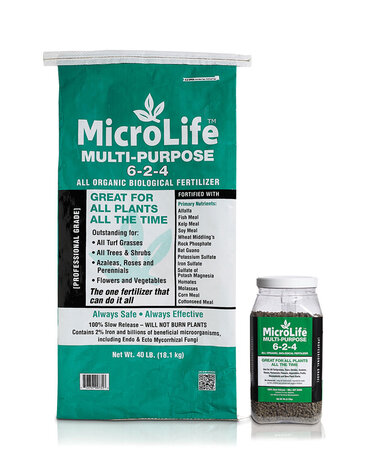
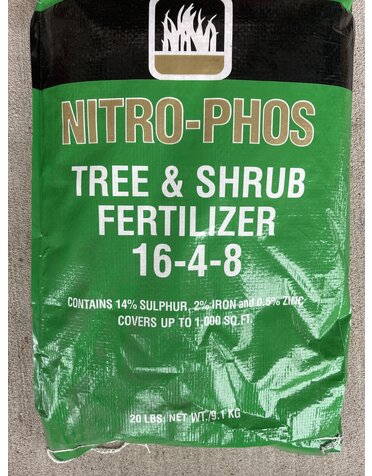
| Fertilization | Apply a balanced, slow-release fertilizer in early spring to maintain its vigorous growth and lush color. |
| Pruning | Responds excellently to pruning. Can be sheared into a formal hedge, used as a thick screen, or limbed up into a graceful multi-trunked ornamental tree. |
| Deer Resistance | High |
| Botanical Name | Myrica cerifera |
| Description | The Southern Wax Myrtle is a landscaping essential for Southeast Texas. This large 15-gallon (15G) specimen provides an immediate, substantial evergreen presence for those looking to block unsightly views or create a natural "living wall." Known for its fragrant, bayberry-scented leaves, it thrives in the heat and humidity of the Houston metro area. It is one of the few plants that is equally at home in low-lying, wet areas and drier upland spots. Its dense growth habit makes it a favorite nesting site for songbirds, while the small waxy berries provide a vital winter food source for local wildlife. |
| Exposure | Full Sun to Partial Shade |
| Height x Width | 10-15' Height x 8-12' Width |
| Water | Moderate to High; very adaptable. It is highly tolerant of wet feet and soggy soil, yet becomes quite drought-resistant once its root system is established in our local clay. |
| Zones | 7 - 11 |
| Fertilization | Apply a balanced, slow-release fertilizer in early spring to maintain its vigorous growth and lush color. |
| Pruning | Responds excellently to pruning. Can be sheared into a formal hedge, used as a thick screen, or limbed up into a graceful multi-trunked ornamental tree. |
| Deer Resistance | High |