
0
Shopping cart
You have no items in your cartSetting
Language
Currency






| Botanical Name | Rosa 'Belinda's Dream' |
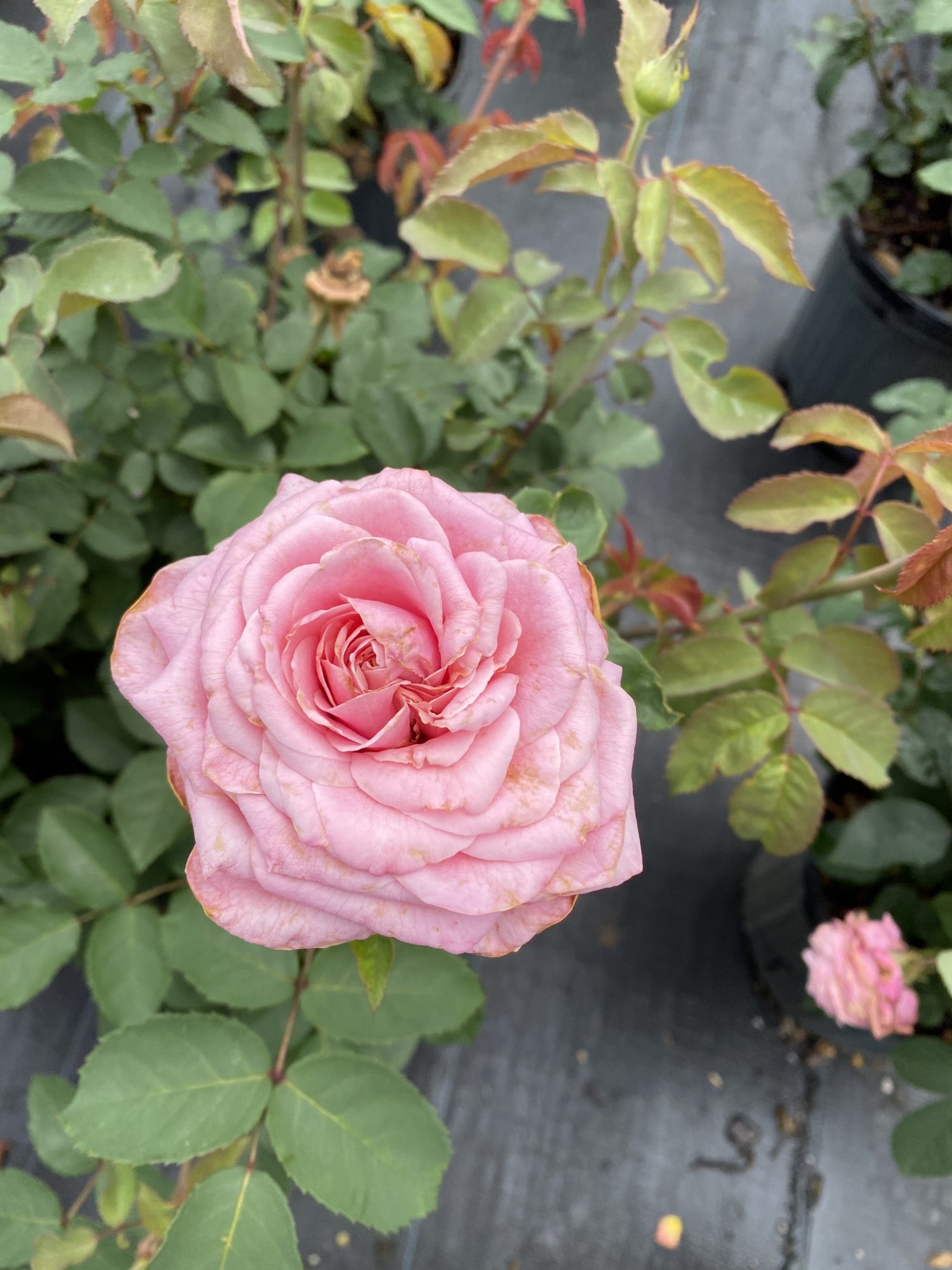
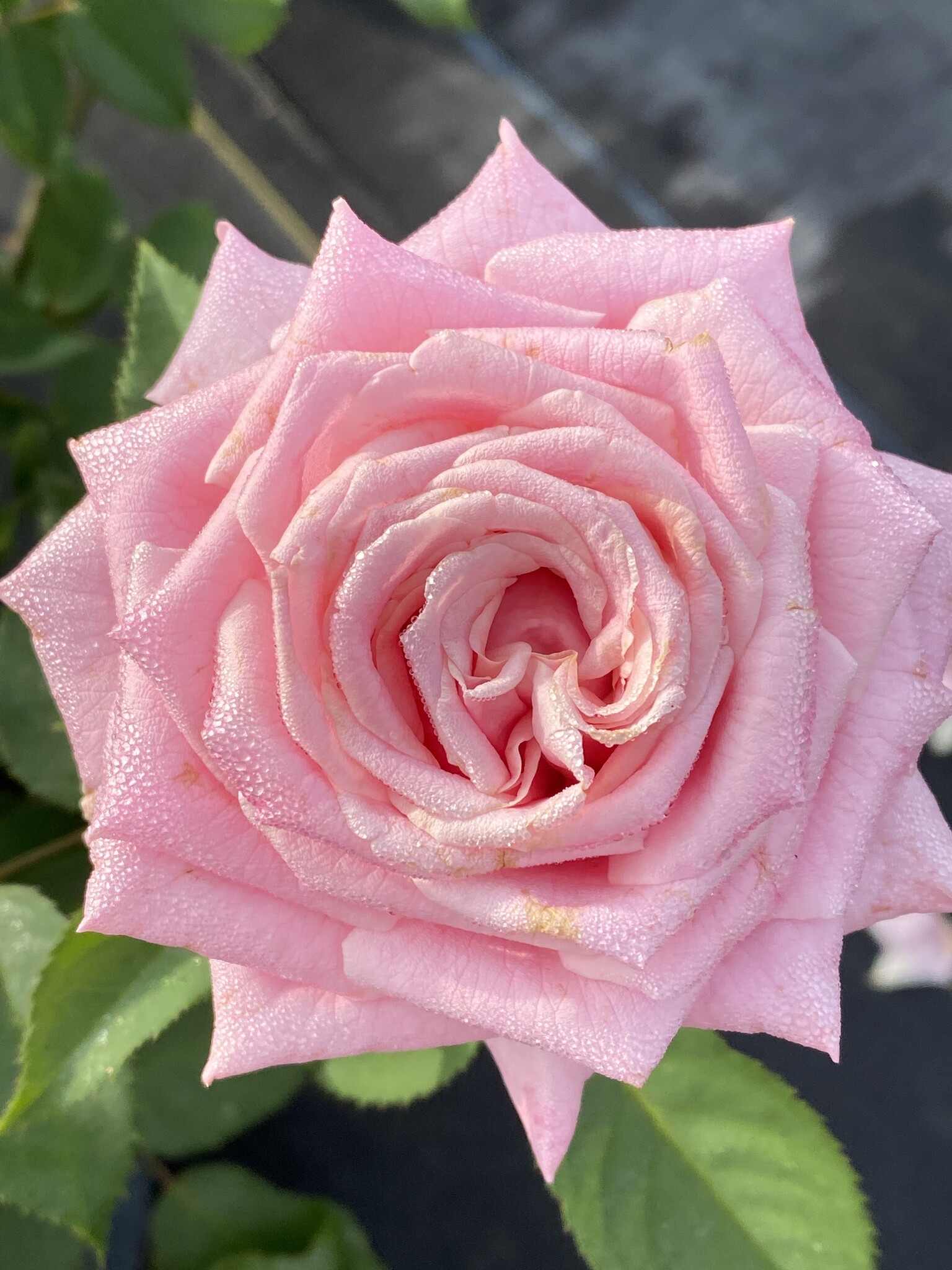
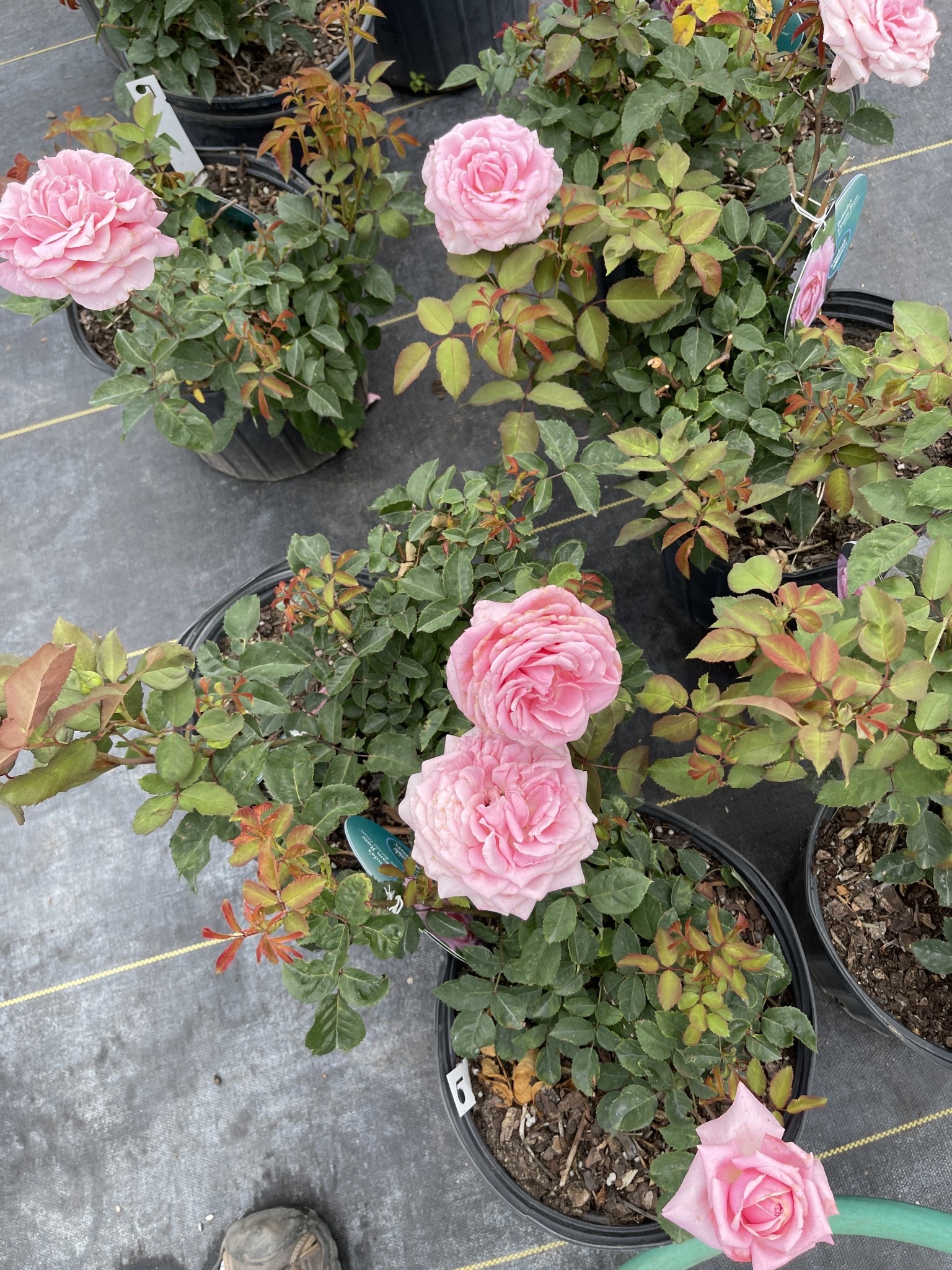
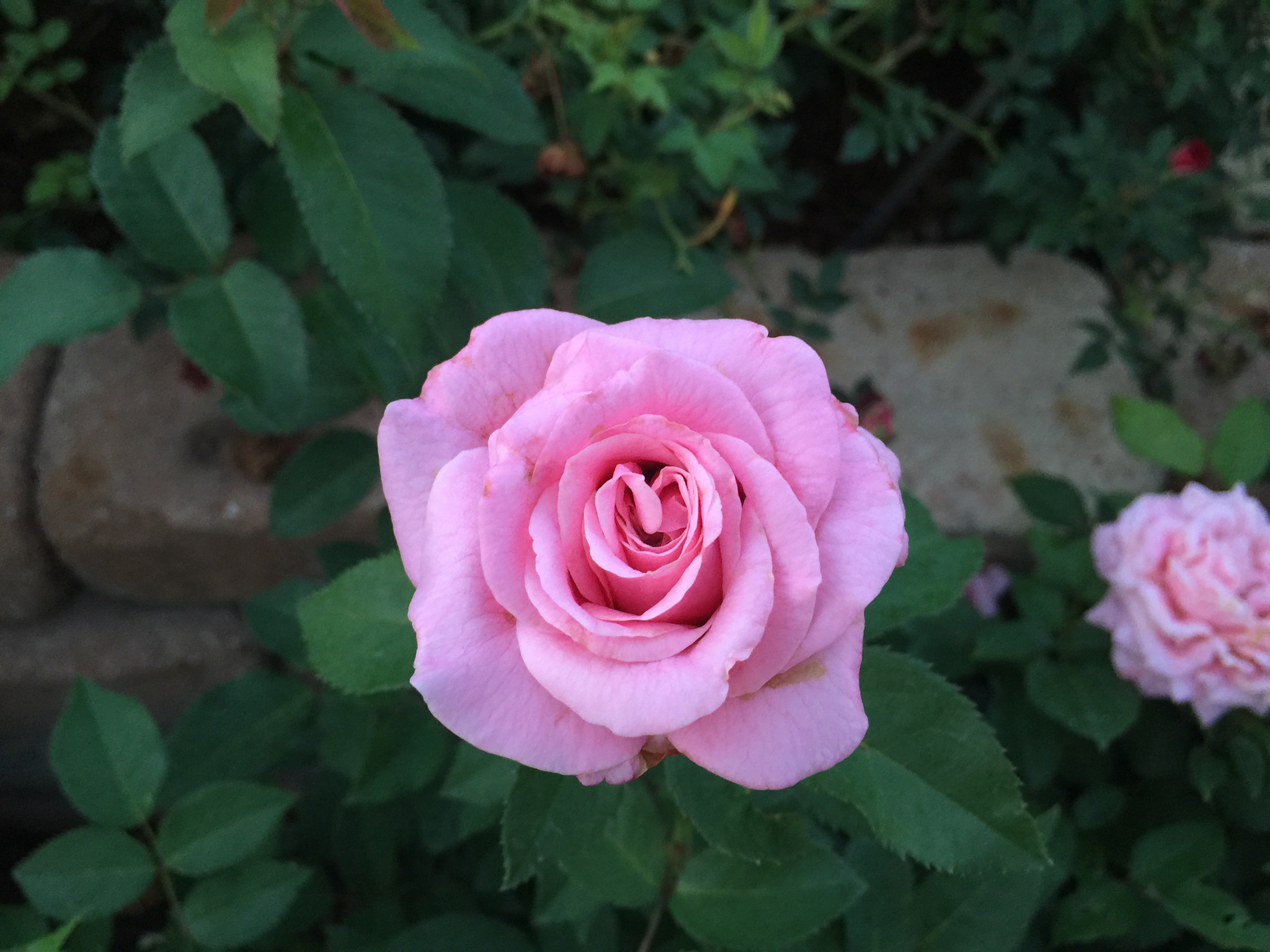
| Description | The first rose to be designated a Texas Superstar®, 'Belinda's Dream' is specifically celebrated for its ability to produce gorgeous, high-centered pink blooms in the face of intense Southeast Texas heat. It is remarkably resistant to black spot and mildew, even in our high humidity. While it is more tolerant of diverse soil types than most modern roses, it still requires adequate drainage to avoid root stress. If planting in heavy clay, we suggest using a raised bed or an amended mound to ensure success during our high-rainfall months. |
| Exposure | Full Sun (6+ hours) |
| Height x Width | 4-6 feet tall x 3-4 feet wide |
| Water | Regular, deep watering at the base. Once established, it is fairly drought-tolerant but blooms best with consistent moisture. |
| Zones | 5 - 9 |
| Fertilization | Feed monthly with a balanced rose fertilizer throughout the growing season (March-October). |
| Pruning | Deadhead regularly to encourage repeat blooming; prune back by one-third in late February. |
| Deer Resistance | Low |
| Botanical Name | Rosa 'Belinda's Dream' |
| Description | The first rose to be designated a Texas Superstar®, 'Belinda's Dream' is specifically celebrated for its ability to produce gorgeous, high-centered pink blooms in the face of intense Southeast Texas heat. It is remarkably resistant to black spot and mildew, even in our high humidity. While it is more tolerant of diverse soil types than most modern roses, it still requires adequate drainage to avoid root stress. If planting in heavy clay, we suggest using a raised bed or an amended mound to ensure success during our high-rainfall months. |
| Exposure | Full Sun (6+ hours) |
| Height x Width | 4-6 feet tall x 3-4 feet wide |
| Water | Regular, deep watering at the base. Once established, it is fairly drought-tolerant but blooms best with consistent moisture. |
| Zones | 5 - 9 |
| Fertilization | Feed monthly with a balanced rose fertilizer throughout the growing season (March-October). |
| Pruning | Deadhead regularly to encourage repeat blooming; prune back by one-third in late February. |
| Deer Resistance | Low |