0
Shopping cart
You have no items in your cartSetting
Language
Currency
| Botanical Name | Tecoma stans 'Goldstar' |
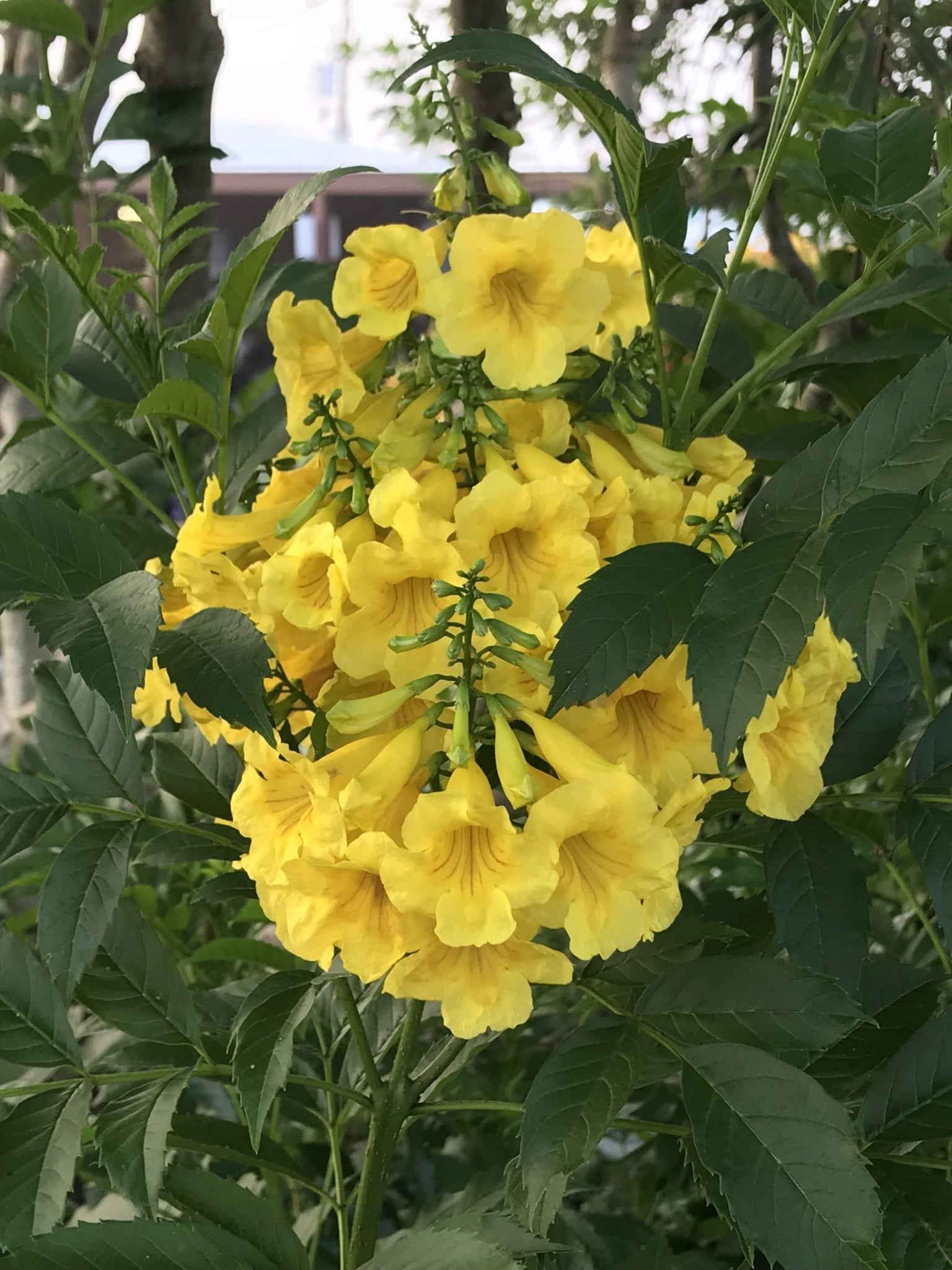
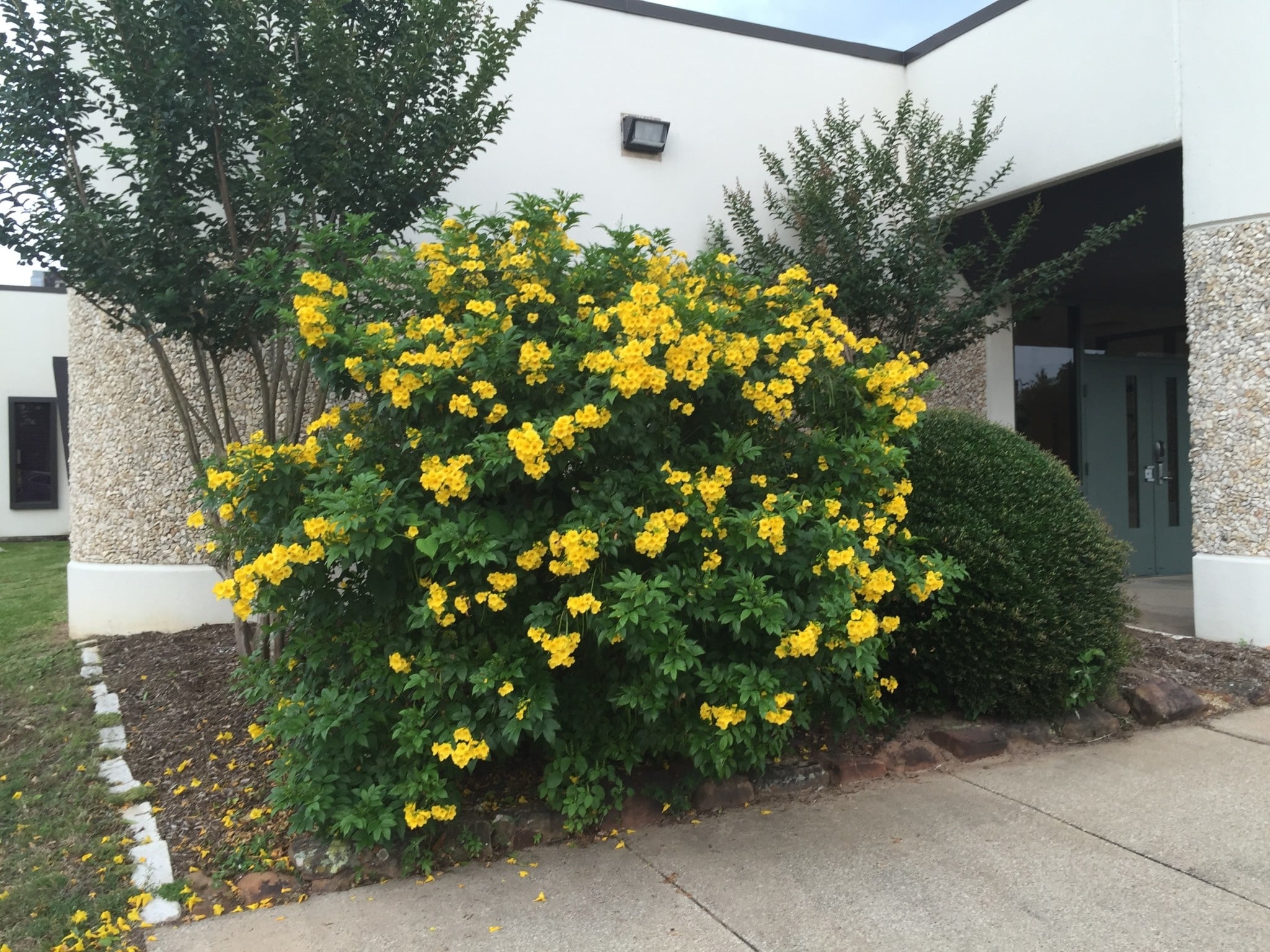
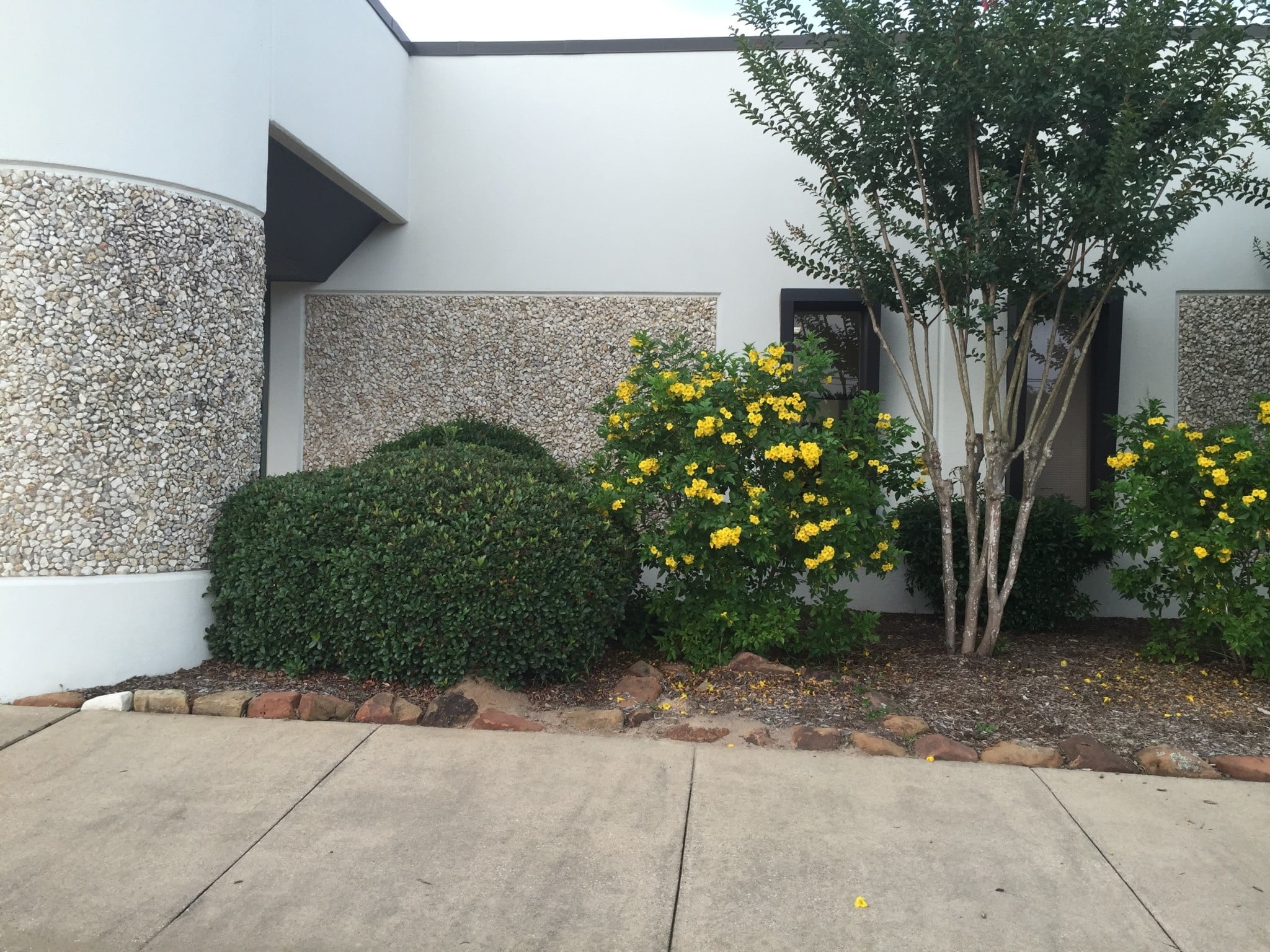
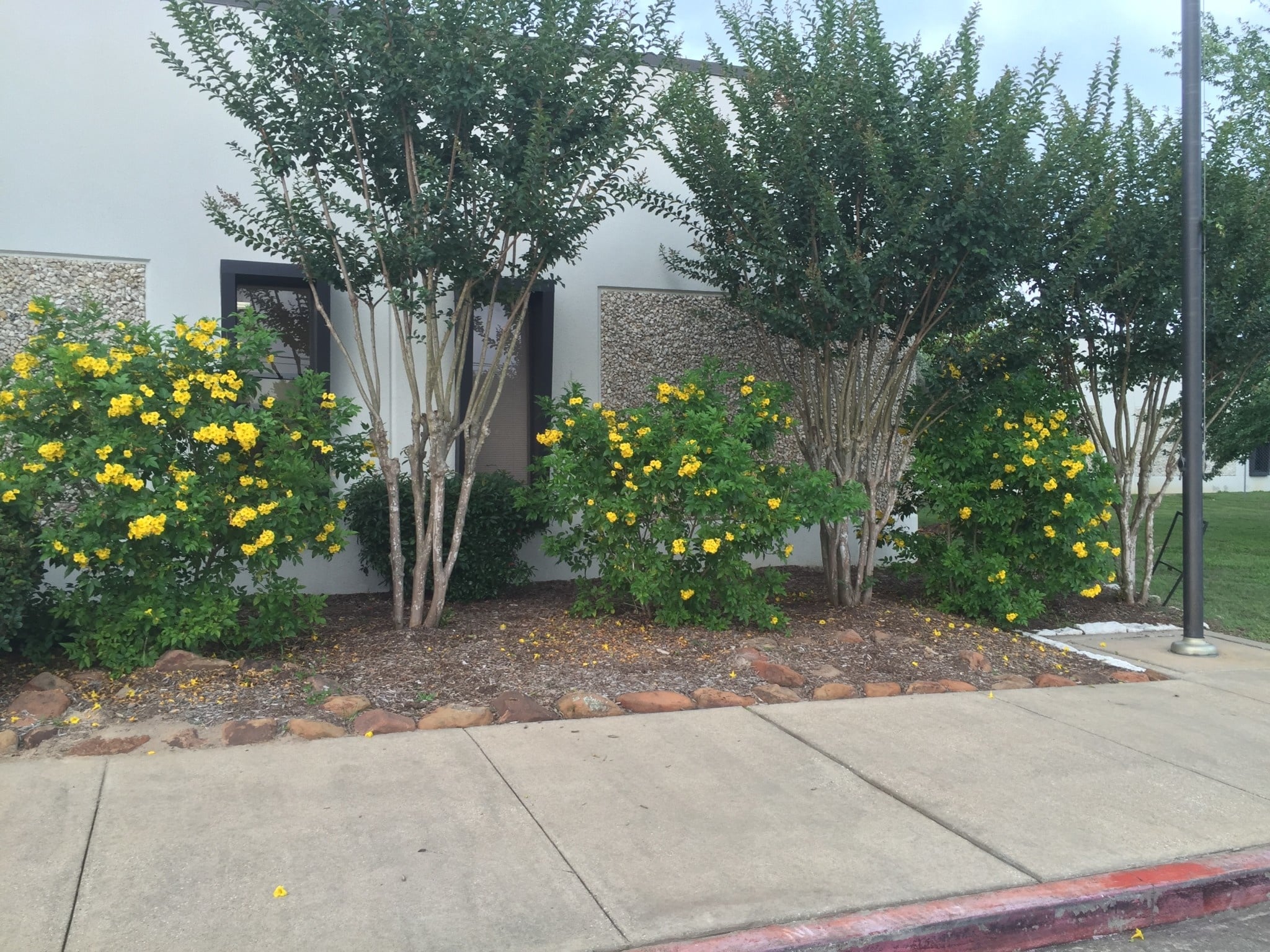
| Description | A true Texas Superstar® that laughs at the Willis and Houston humidity. Also known as "Yellow Bells," 'Goldstar' was selected for its ability to bloom earlier and more consistently than other varieties. In our area, it typically acts as a root-hardy perennial, freezing back in winter and returning with vigor in late spring. To ensure success in local clay, plant in a raised bed or a well-drained sunny spot—this plant loves the sun more than a tourist at Galveston beach! |
| Exposure | Full Sun (Essential for heavy blooming) |
| Height x Width | 4-6 ft. Tall x 3-4 ft. Wide |
| Water | Low to Moderate; once established, it is highly drought-tolerant. Avoid overwatering during the winter dormant period to prevent root rot. |
| Zones | 8 - 11 |
| Fertilization | Apply a balanced, slow-release fertilizer in late spring to fuel a long season of yellow blooms. |
| Pruning | Cut back to the ground in late winter after the danger of frost has passed to make way for fresh, vigorous spring growth. |
| Deer Resistance | High |
| Botanical Name | Tecoma stans 'Goldstar' |
| Description | A true Texas Superstar® that laughs at the Willis and Houston humidity. Also known as "Yellow Bells," 'Goldstar' was selected for its ability to bloom earlier and more consistently than other varieties. In our area, it typically acts as a root-hardy perennial, freezing back in winter and returning with vigor in late spring. To ensure success in local clay, plant in a raised bed or a well-drained sunny spot—this plant loves the sun more than a tourist at Galveston beach! |
| Exposure | Full Sun (Essential for heavy blooming) |
| Height x Width | 4-6 ft. Tall x 3-4 ft. Wide |
| Water | Low to Moderate; once established, it is highly drought-tolerant. Avoid overwatering during the winter dormant period to prevent root rot. |
| Zones | 8 - 11 |
| Fertilization | Apply a balanced, slow-release fertilizer in late spring to fuel a long season of yellow blooms. |
| Pruning | Cut back to the ground in late winter after the danger of frost has passed to make way for fresh, vigorous spring growth. |
| Deer Resistance | High |