0
Shopping cart
You have no items in your cartSetting
Language
Currency
| Botanical Name | Citrus sinensis 'Marrs Early' (Dwarf) |
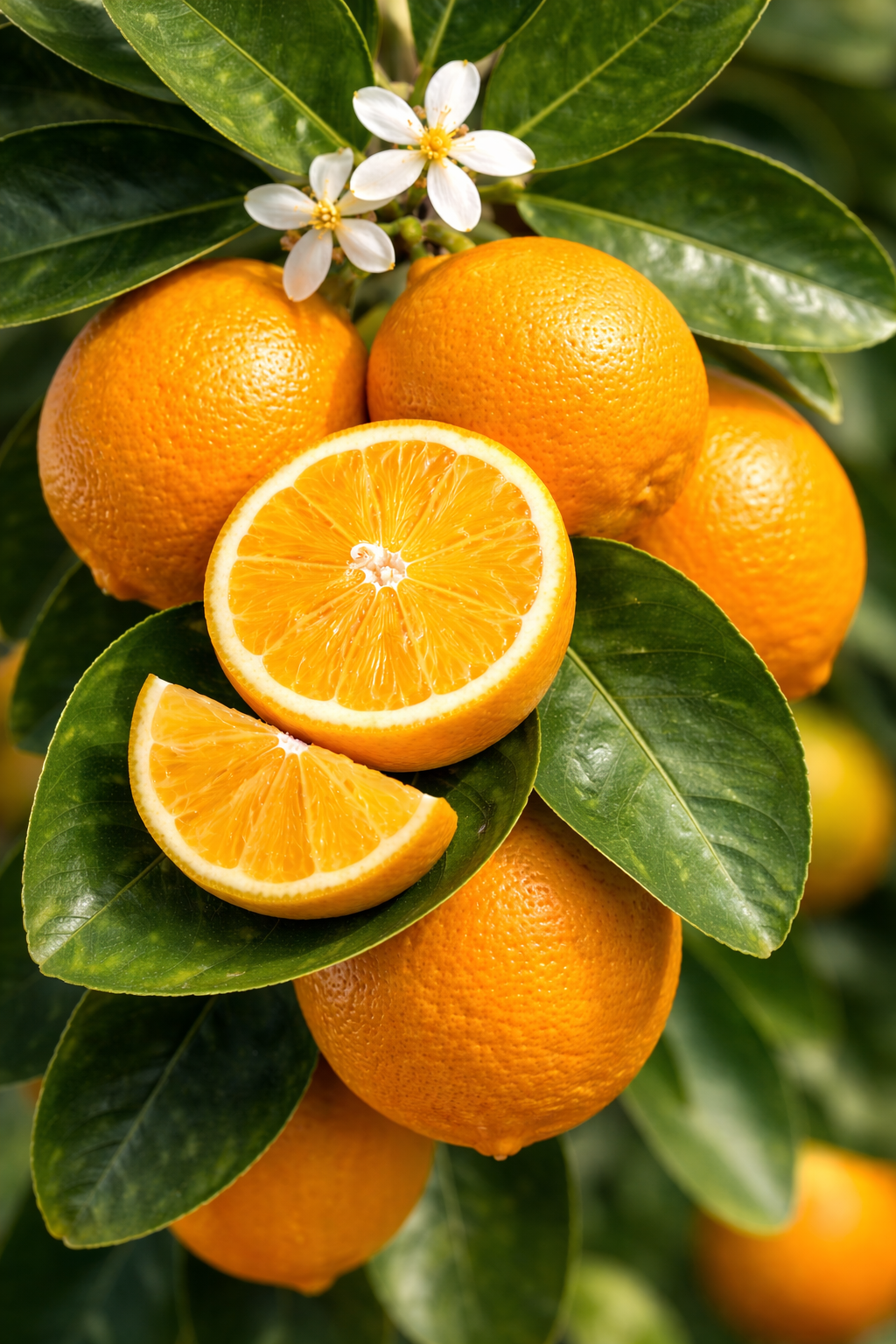
| Description | The 'Marrs' Orange is a true Texas original, discovered in a grove in the Rio Grande Valley. This 3-gallon (3G) dwarf specimen is a favorite for the Willis and Houston area because of its compact growth habit and heavy productivity at a young age. It produces medium-to-large, round fruit with a thick rind and sweet, low-acid flesh that is nearly seedless. One of its greatest advantages is its early ripening period (September to January), which often allows for harvest before the first hard freeze. Because long-term success depends on protecting the tree's structure, you must protect from freeze (especially the graft). Its glossy evergreen foliage and intensely fragrant white blossoms make it a beautiful and functional addition to any sunny landscape or large patio pot. |
| Exposure | Full Sun (8+ hours daily for maximum fruit sugar development) |
| Height x Width | 8-12' Height x 6-10' Width (Smaller if kept in containers) |
| Water | Moderate; requires deep, regular watering. Ensure excellent drainage; citrus trees do not tolerate "wet feet," especially in the heavy clay soils common in the Houston region. |
| Zones | 9 - 11 (Protect when temperatures dip below 28°F) |
| Fertilization | Apply a specialized citrus fertilizer three times per year: late winter (Feb), late spring (May), and late summer (Aug/Sept). |
| Pruning | Minimal; remove suckers growing from below the graft line and prune for shape in early spring after the danger of frost has passed. |
| Deer Resistance | Moderate |
| Botanical Name | Citrus sinensis 'Marrs Early' (Dwarf) |
| Description | The 'Marrs' Orange is a true Texas original, discovered in a grove in the Rio Grande Valley. This 3-gallon (3G) dwarf specimen is a favorite for the Willis and Houston area because of its compact growth habit and heavy productivity at a young age. It produces medium-to-large, round fruit with a thick rind and sweet, low-acid flesh that is nearly seedless. One of its greatest advantages is its early ripening period (September to January), which often allows for harvest before the first hard freeze. Because long-term success depends on protecting the tree's structure, you must protect from freeze (especially the graft). Its glossy evergreen foliage and intensely fragrant white blossoms make it a beautiful and functional addition to any sunny landscape or large patio pot. |
| Exposure | Full Sun (8+ hours daily for maximum fruit sugar development) |
| Height x Width | 8-12' Height x 6-10' Width (Smaller if kept in containers) |
| Water | Moderate; requires deep, regular watering. Ensure excellent drainage; citrus trees do not tolerate "wet feet," especially in the heavy clay soils common in the Houston region. |
| Zones | 9 - 11 (Protect when temperatures dip below 28°F) |
| Fertilization | Apply a specialized citrus fertilizer three times per year: late winter (Feb), late spring (May), and late summer (Aug/Sept). |
| Pruning | Minimal; remove suckers growing from below the graft line and prune for shape in early spring after the danger of frost has passed. |
| Deer Resistance | Moderate |