0
Shopping cart
You have no items in your cartSetting
Language
Currency
| Botanical Name | Rubus 'Osage' |
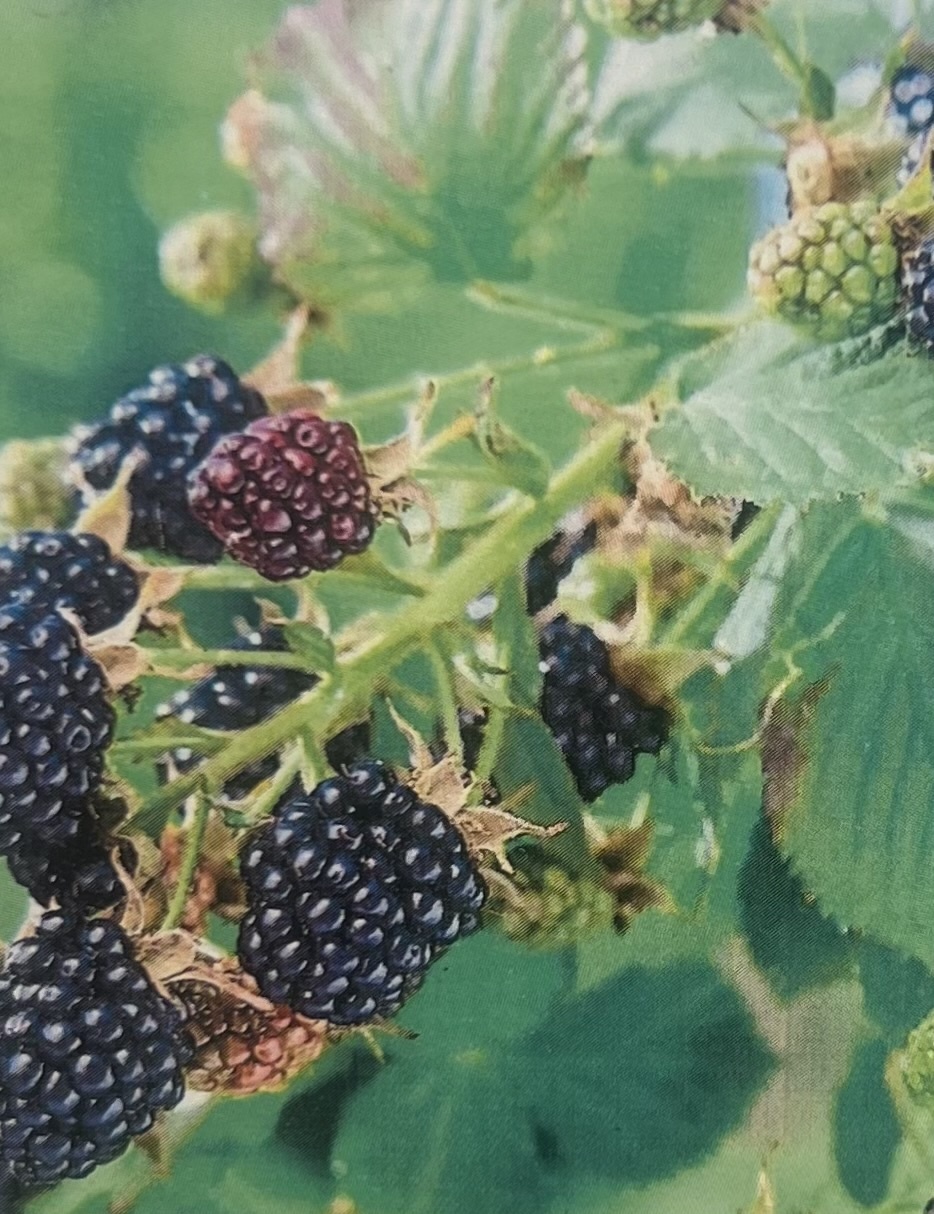
| Description | Osage is a premier thornless, floricane-fruiting variety (fruiting on second-year wood) developed specifically for superior flavor and post-harvest shelf life. It is an excellent performer in the Houston metro area, featuring upright canes that are resilient against our heavy clay soils and high humidity. It requires approximately 300-500 chill hours, making it a highly reliable producer for Southeast Texas gardeners. |
| Exposure | Full Sun |
| Height x Width | 4-5' H x 3-4' W |
| Water | Moderate; requires consistent deep watering during the fruit ripening stage and throughout the intense Houston summer. |
| Zones | 6 - 9 |
| Fertilization | Apply a balanced organic fertilizer in early spring and again after the summer harvest to support new cane development. |
| Pruning | Prune floricanes (canes that have finished fruiting) to the ground immediately after harvest. Preserve the new green primocanes for next year's crop. |
| Deer Resistance | Moderate; being thornless, it is more likely to be browsed by deer than thorny varieties. |
| Botanical Name | Rubus 'Osage' |
| Description | Osage is a premier thornless, floricane-fruiting variety (fruiting on second-year wood) developed specifically for superior flavor and post-harvest shelf life. It is an excellent performer in the Houston metro area, featuring upright canes that are resilient against our heavy clay soils and high humidity. It requires approximately 300-500 chill hours, making it a highly reliable producer for Southeast Texas gardeners. |
| Exposure | Full Sun |
| Height x Width | 4-5' H x 3-4' W |
| Water | Moderate; requires consistent deep watering during the fruit ripening stage and throughout the intense Houston summer. |
| Zones | 6 - 9 |
| Fertilization | Apply a balanced organic fertilizer in early spring and again after the summer harvest to support new cane development. |
| Pruning | Prune floricanes (canes that have finished fruiting) to the ground immediately after harvest. Preserve the new green primocanes for next year's crop. |
| Deer Resistance | Moderate; being thornless, it is more likely to be browsed by deer than thorny varieties. |