0
Shopping cart
You have no items in your cartSetting
Language
Currency
| Botanical Name | Rubus 'Natchez' |
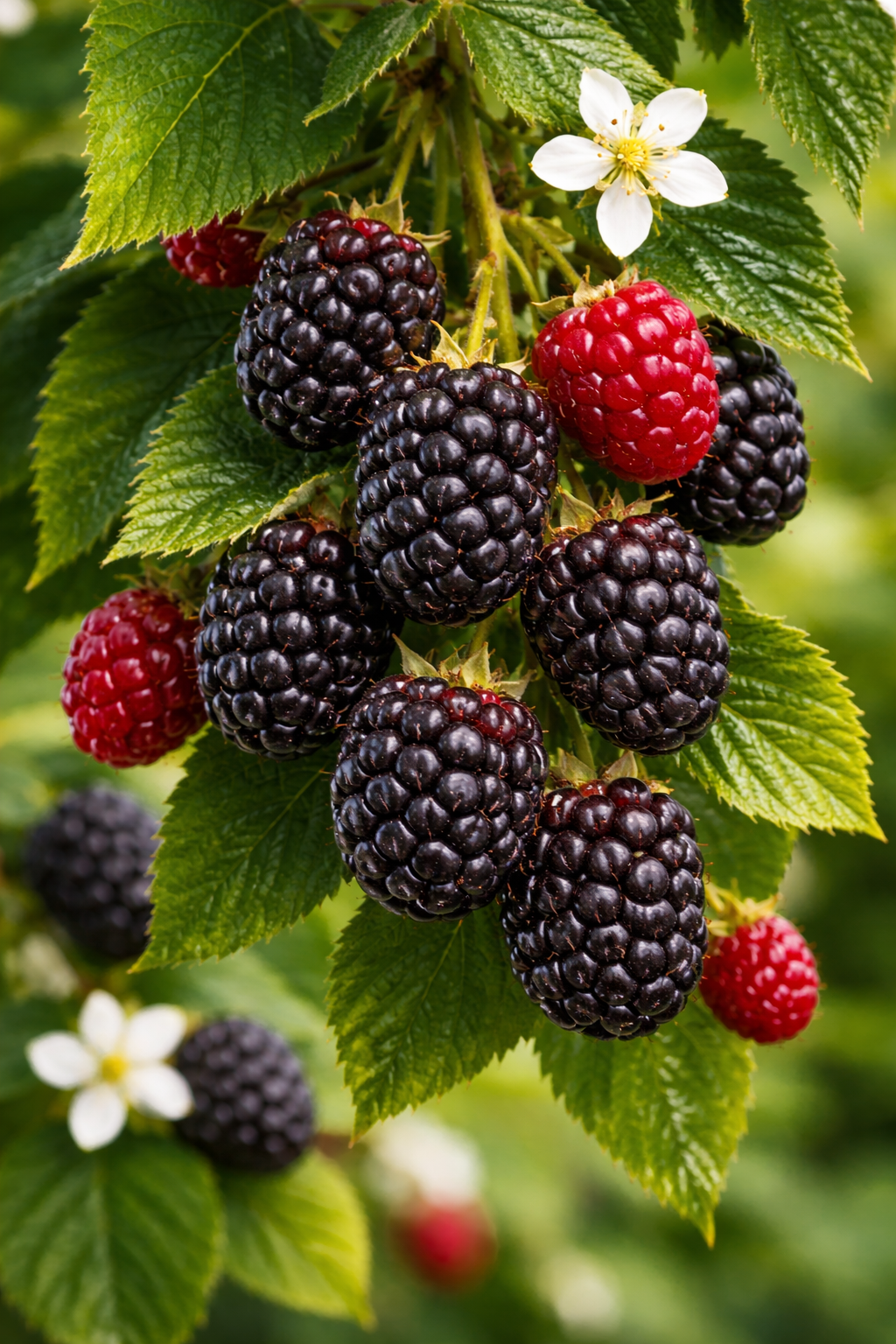
| Description | Natchez is a premier thornless, floricane-fruiting variety (fruiting on second-year wood) known for being one of the earliest to ripen in the Houston metro area. It produces very large, elongated fruit with excellent flavor. While it is semi-upright and benefits from trellising to support its heavy fruit load, it is remarkably heat-tolerant and thrives in Southeast Texas clay soils. Requires approximately 300-500 chill hours. |
| Exposure | Full Sun |
| Height x Width | 4-6' H x 3-4' W |
| Water | Moderate; regular irrigation is essential during the Houston summer to maintain fruit size on the floricanes and plant health. |
| Zones | 5 - 9 |
| Fertilization | Apply a balanced fruit fertilizer in early spring and again mid-summer after harvesting is complete. |
| Pruning | Remove floricanes to the ground immediately after harvest. Keep the new green primocanes as they will provide the crop for next year. |
| Deer Resistance | Moderate; the lack of thorns makes it more palatable to browsing deer than wild varieties. |
| Botanical Name | Rubus 'Natchez' |
| Description | Natchez is a premier thornless, floricane-fruiting variety (fruiting on second-year wood) known for being one of the earliest to ripen in the Houston metro area. It produces very large, elongated fruit with excellent flavor. While it is semi-upright and benefits from trellising to support its heavy fruit load, it is remarkably heat-tolerant and thrives in Southeast Texas clay soils. Requires approximately 300-500 chill hours. |
| Exposure | Full Sun |
| Height x Width | 4-6' H x 3-4' W |
| Water | Moderate; regular irrigation is essential during the Houston summer to maintain fruit size on the floricanes and plant health. |
| Zones | 5 - 9 |
| Fertilization | Apply a balanced fruit fertilizer in early spring and again mid-summer after harvesting is complete. |
| Pruning | Remove floricanes to the ground immediately after harvest. Keep the new green primocanes as they will provide the crop for next year. |
| Deer Resistance | Moderate; the lack of thorns makes it more palatable to browsing deer than wild varieties. |