
0
Shopping cart
You have no items in your cartSetting
Language
Currency
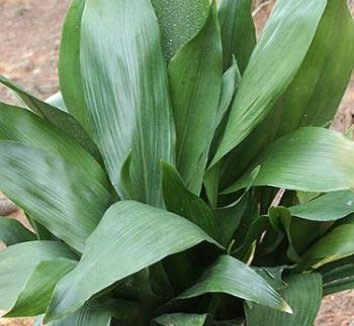
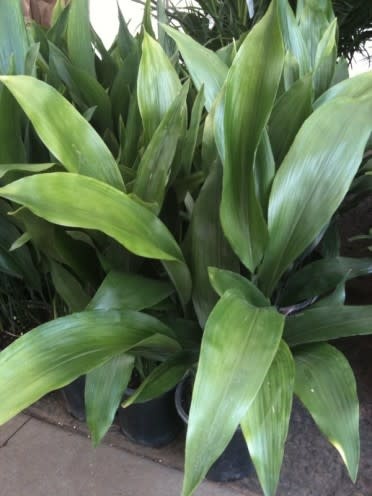
| Botanical Name | Aspidistra elatior |
| Description | A must-have for the Houston metro area, the Cast Iron Plant earns its name by surviving neglect, deep shade, and our heavy Gulf Coast clay. Its upright, paddle-shaped leaves provide a dark green, tropical texture to dark corners of the garden where little else will grow. It is extremely drought-tolerant once established and handles our high humidity with ease. |
| Exposure | Full Shade to Partial Shade (Avoid direct afternoon sun in Houston) |
| Height x Width | 2-3' H x 2-3' W |
| Water | Low to Moderate; very drought tolerant but appreciates occasional watering during dry spells. |
| Zones | 7 - 11 |
| Fertilization | Apply a balanced liquid or slow-release fertilizer during the spring and summer growing season. |
| Pruning | Remove old or tattered leaves at the base to keep the plant looking fresh. |
| Deer Resistance | High |
| Botanical Name | Aspidistra elatior |
| Description | A must-have for the Houston metro area, the Cast Iron Plant earns its name by surviving neglect, deep shade, and our heavy Gulf Coast clay. Its upright, paddle-shaped leaves provide a dark green, tropical texture to dark corners of the garden where little else will grow. It is extremely drought-tolerant once established and handles our high humidity with ease. |
| Exposure | Full Shade to Partial Shade (Avoid direct afternoon sun in Houston) |
| Height x Width | 2-3' H x 2-3' W |
| Water | Low to Moderate; very drought tolerant but appreciates occasional watering during dry spells. |
| Zones | 7 - 11 |
| Fertilization | Apply a balanced liquid or slow-release fertilizer during the spring and summer growing season. |
| Pruning | Remove old or tattered leaves at the base to keep the plant looking fresh. |
| Deer Resistance | High |