0
Shopping cart
You have no items in your cartSetting
Language
Currency
| Botanical Name | Platycladus orientalis 'Blue Cone' |
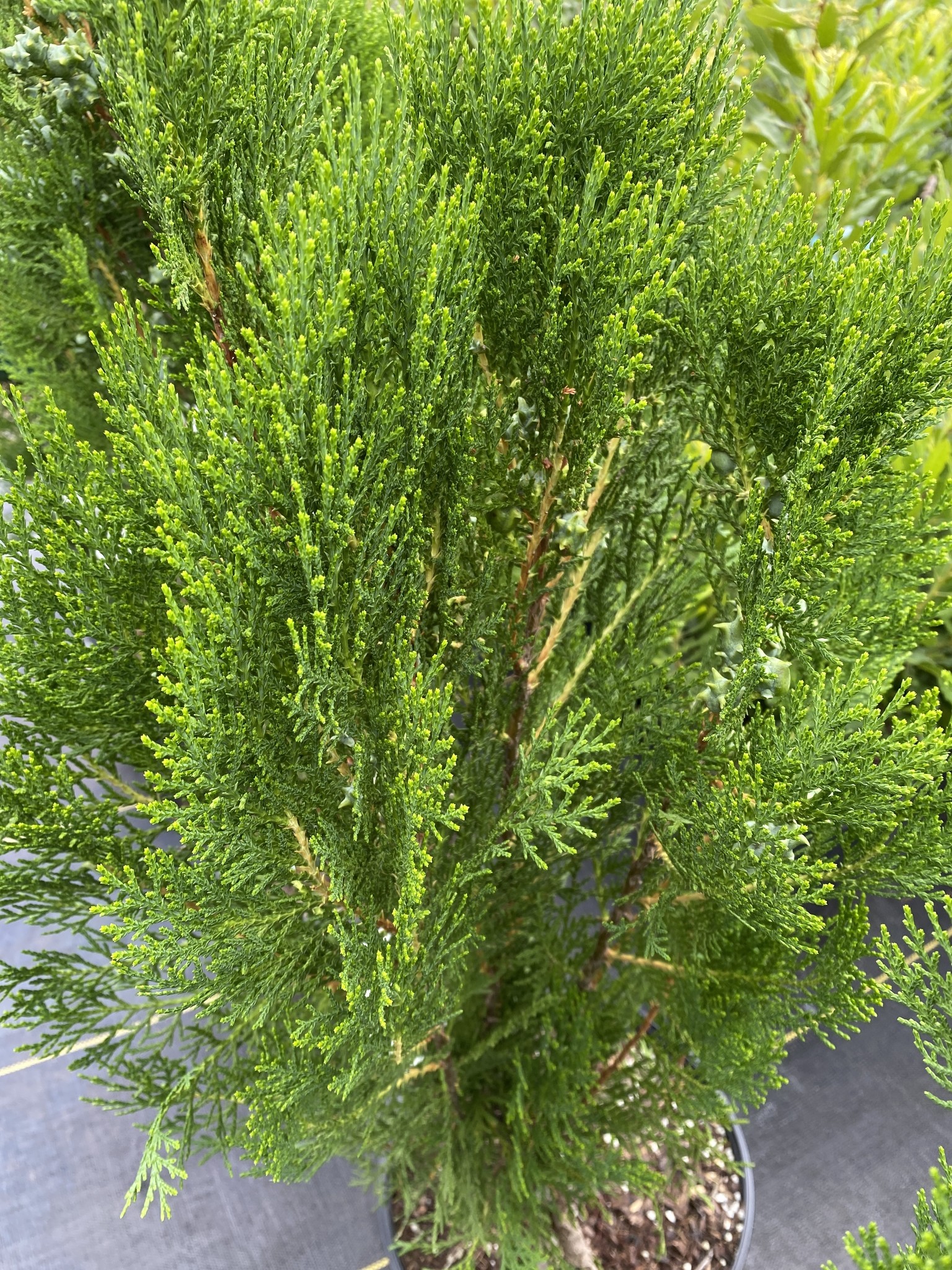
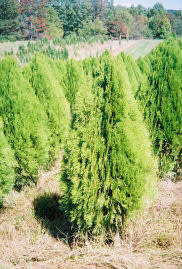
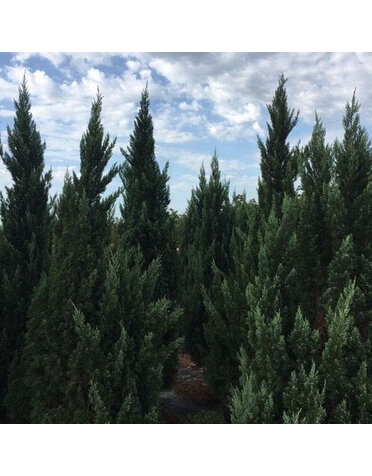
| Description | A standout in the Willis and Houston metro area for its ability to handle Texas heat better than most arborvitae. Known for its tidy, egg-shaped habit and striking blue-green foliage, it adds year-round structure without taking up too much horizontal space. To succeed in our local heavy clay, plant in a raised bed or mound to ensure the drainage necessary to prevent root rot during wet Southeast Texas seasons. |
| Exposure | Full Sun (Essential for maintaining a dense, tight form) |
| Height x Width | 8-12 ft. Tall x 4-5 ft. Wide |
| Water | Moderate; prefers regular watering during its establishment phase. Once settled, it is relatively drought-tolerant but needs support during Houston's dry spells. |
| Zones | 6 - 11 |
| Fertilization | Apply a balanced, slow-release fertilizer in early spring to support healthy, consistent growth. |
| Pruning | Very little pruning is required due to its naturally formal shape. Lightly shear in late winter if a specific height or manicured look is desired. |
| Deer Resistance | Low |
| Botanical Name | Platycladus orientalis 'Blue Cone' |
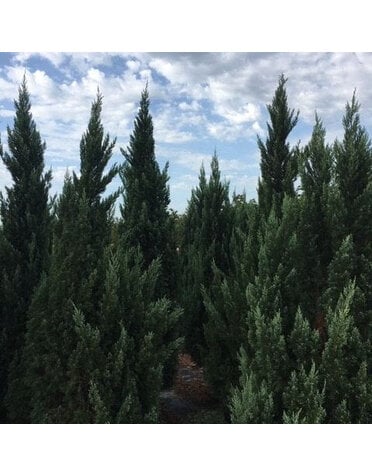
| Description | A standout in the Willis and Houston metro area for its ability to handle Texas heat better than most arborvitae. Known for its tidy, egg-shaped habit and striking blue-green foliage, it adds year-round structure without taking up too much horizontal space. To succeed in our local heavy clay, plant in a raised bed or mound to ensure the drainage necessary to prevent root rot during wet Southeast Texas seasons. |
| Exposure | Full Sun (Essential for maintaining a dense, tight form) |
| Height x Width | 8-12 ft. Tall x 4-5 ft. Wide |
| Water | Moderate; prefers regular watering during its establishment phase. Once settled, it is relatively drought-tolerant but needs support during Houston's dry spells. |
| Zones | 6 - 11 |
| Fertilization | Apply a balanced, slow-release fertilizer in early spring to support healthy, consistent growth. |
| Pruning | Very little pruning is required due to its naturally formal shape. Lightly shear in late winter if a specific height or manicured look is desired. |
| Deer Resistance | Low |