0
Shopping cart
You have no items in your cartSetting
Language
Currency
| Botanical Name | Citrus x tangelo 'Wekiwa' |
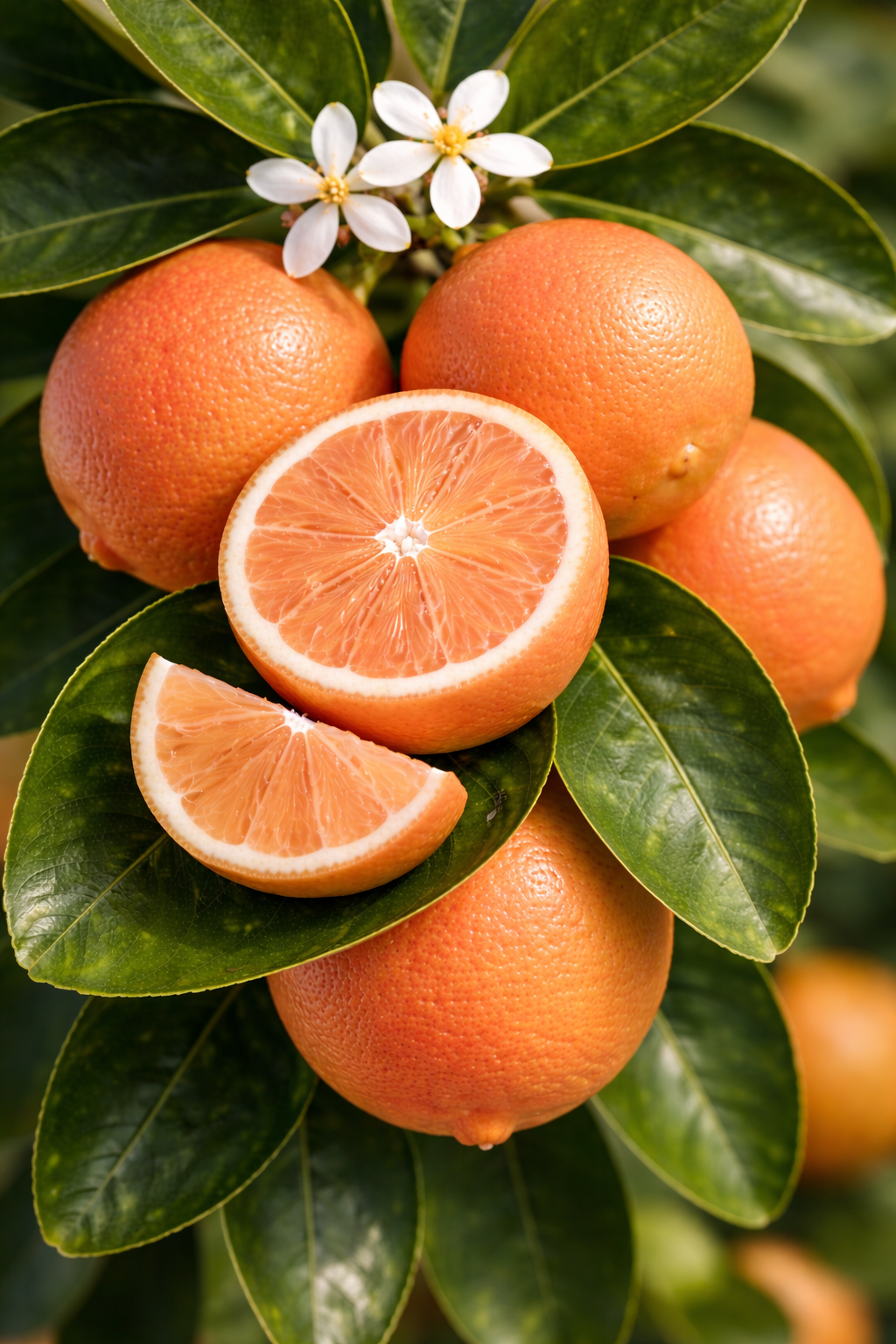
| Description | The 'Wekiwa' Tangelo is a fascinating citrus hybrid, technically a cross between a grapefruit and a Sampson Tangelo. Often referred to as a "Lavender Gem," this 3-gallon (3G) tree is a favorite for Willis and Houston collectors. It produces medium-sized fruit with a yellow rind and a beautiful, sweet pink interior. While it looks like a miniature grapefruit, the taste is much sweeter and less acidic, making it a perfect fresh-eating fruit. It features glossy evergreen foliage and intensely fragrant blossoms. To ensure the health of your tree in Southeast Texas, you must protect from freeze (especially the graft). Its manageable size and high fruit quality make it an excellent choice for a sunny patio or a small backyard orchard. |
| Exposure | Full Sun (8+ hours daily for best fruit color and sugar development) |
| Height x Width | 10-12' Height x 8-10' Width (Can be kept smaller in containers) |
| Water | Moderate; prefers deep, consistent watering but requires sharp drainage. Avoid "wet feet" in Houston's heavy soils by planting in raised beds or well-draining pots. |
| Zones | 9 - 11 (Hardy to the upper 20s; protect from hard freezes) |
| Fertilization | Apply a specialized citrus fertilizer three times per year: late winter (Feb), late spring (May), and late summer (Aug/Sept). |
| Pruning | Minimal; remove suckers growing from the rootstock (below the graft) and shape the canopy in early spring after the last threat of frost. |
| Deer Resistance | Moderate |
| Botanical Name | Citrus x tangelo 'Wekiwa' |
| Description | The 'Wekiwa' Tangelo is a fascinating citrus hybrid, technically a cross between a grapefruit and a Sampson Tangelo. Often referred to as a "Lavender Gem," this 3-gallon (3G) tree is a favorite for Willis and Houston collectors. It produces medium-sized fruit with a yellow rind and a beautiful, sweet pink interior. While it looks like a miniature grapefruit, the taste is much sweeter and less acidic, making it a perfect fresh-eating fruit. It features glossy evergreen foliage and intensely fragrant blossoms. To ensure the health of your tree in Southeast Texas, you must protect from freeze (especially the graft). Its manageable size and high fruit quality make it an excellent choice for a sunny patio or a small backyard orchard. |
| Exposure | Full Sun (8+ hours daily for best fruit color and sugar development) |
| Height x Width | 10-12' Height x 8-10' Width (Can be kept smaller in containers) |
| Water | Moderate; prefers deep, consistent watering but requires sharp drainage. Avoid "wet feet" in Houston's heavy soils by planting in raised beds or well-draining pots. |
| Zones | 9 - 11 (Hardy to the upper 20s; protect from hard freezes) |
| Fertilization | Apply a specialized citrus fertilizer three times per year: late winter (Feb), late spring (May), and late summer (Aug/Sept). |
| Pruning | Minimal; remove suckers growing from the rootstock (below the graft) and shape the canopy in early spring after the last threat of frost. |
| Deer Resistance | Moderate |