0
Shopping cart
You have no items in your cartSetting
Language
Currency
| Botanical Name | Citrus x tangelo 'Minneola' |
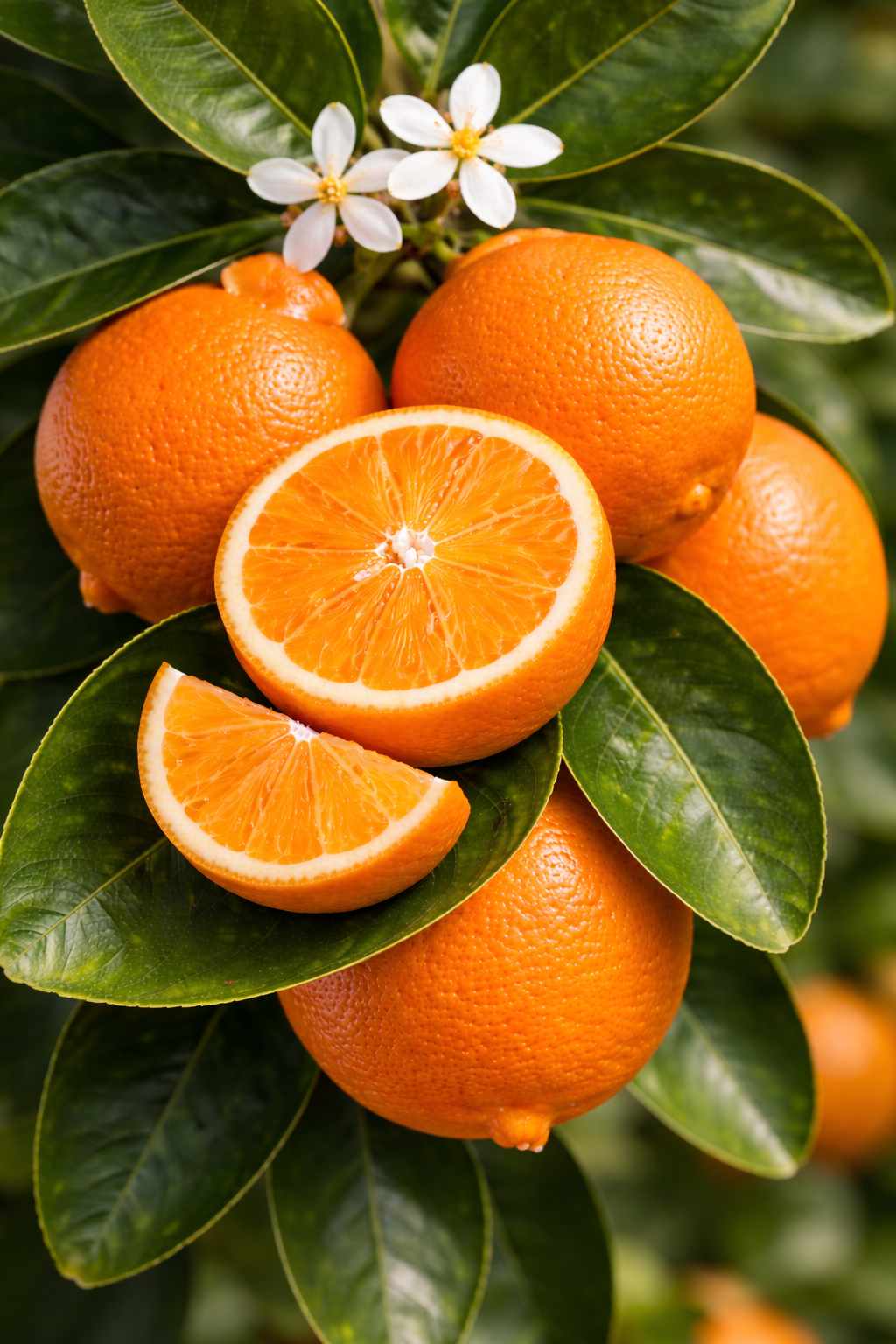
| Description | The 'Minneola' Tangelo, affectionately known as the 'Honeybell' due to the distinctive neck at its stem end, is a cross between a Duncan Grapefruit and a Dancy Tangerine. This 3-gallon (3G) tree is a vigorous, upright grower that is highly sought after by Willis and Houston gardeners for its rich, aromatic flavor and easy-to-peel rind. It produces large, juicy fruit that ripens in mid-to-late winter, typically January or February. Because healthy establishment is critical in Southeast Texas, you must protect from freeze (especially the graft) during extreme winter cold. While 'Minneola' is a heavy producer, planting it near another citrus variety like a Clementine or Temple Orange can significantly increase your fruit yield through cross-pollination. |
| Exposure | Full Sun (8+ hours daily for maximum fruit size and sweetness) |
| Height x Width | 10-14' Height x 8-12' Width |
| Water | Moderate; prefers deep watering sessions that allow the soil to dry slightly between cycles. Sharp drainage is a must; ensure your planting site or container allows water to move freely away from the root ball. |
| Zones | 9 - 11 (Protect when temperatures dip below 28°F) |
| Fertilization | Apply a specialized citrus fertilizer three times per year: late winter (Feb), late spring (May), and late summer (Aug/Sept). |
| Pruning | Minimal; remove any "suckers" (vigorous shoots) that emerge from below the graft line. Prune for shape or to remove dead wood in early spring after the last threat of frost has passed. |
| Deer Resistance | Moderate |
| Botanical Name | Citrus x tangelo 'Minneola' |
| Description | The 'Minneola' Tangelo, affectionately known as the 'Honeybell' due to the distinctive neck at its stem end, is a cross between a Duncan Grapefruit and a Dancy Tangerine. This 3-gallon (3G) tree is a vigorous, upright grower that is highly sought after by Willis and Houston gardeners for its rich, aromatic flavor and easy-to-peel rind. It produces large, juicy fruit that ripens in mid-to-late winter, typically January or February. Because healthy establishment is critical in Southeast Texas, you must protect from freeze (especially the graft) during extreme winter cold. While 'Minneola' is a heavy producer, planting it near another citrus variety like a Clementine or Temple Orange can significantly increase your fruit yield through cross-pollination. |
| Exposure | Full Sun (8+ hours daily for maximum fruit size and sweetness) |
| Height x Width | 10-14' Height x 8-12' Width |
| Water | Moderate; prefers deep watering sessions that allow the soil to dry slightly between cycles. Sharp drainage is a must; ensure your planting site or container allows water to move freely away from the root ball. |
| Zones | 9 - 11 (Protect when temperatures dip below 28°F) |
| Fertilization | Apply a specialized citrus fertilizer three times per year: late winter (Feb), late spring (May), and late summer (Aug/Sept). |
| Pruning | Minimal; remove any "suckers" (vigorous shoots) that emerge from below the graft line. Prune for shape or to remove dead wood in early spring after the last threat of frost has passed. |
| Deer Resistance | Moderate |