Login/Register
My orders
My tickets
My wishlist
Compare
0
Shopping cart
You have no items in your cart
Setting
Language
English (US)
Currency
usd
Home
Local Honey
ALL PLANTS
Landscape Plants
Bedding Plants
Crape Myrtles
Roses
Hanging Baskets
Perennials
Shrubs
Trees
Ornamental Grasses
Native Plants
Vines
Tropicals
Bougainvillea
Hibiscus
Plumeria
Mandevilla
Edibles
Berries
Citrus
Fruit Trees Other Than Citrus
Herbs
Peppers & Other Veggies
Tomatoes
Fertilizers & Solutions
Synthetics
Synthetic Fertilizers
Synthetic Amendments
Synthetic Insecticides
Synthetic Fungicides
Synthetic Herbicide
Organics
Organic Soil Amendments
Organic Fertilizers
Organic Insecticides
Organic Fungicides
Organic Herbicide
LAWN FERTILIZER
SYNTHETIC LAWN FERTILIZER
ORGANIC LAWN FERTILIZER
Bagged Mulches and Soils
MULCH
SOIL AMENDMENTS
SOILS, READY TO USE
GRAVEL & ROCK
Catalog
Home Page
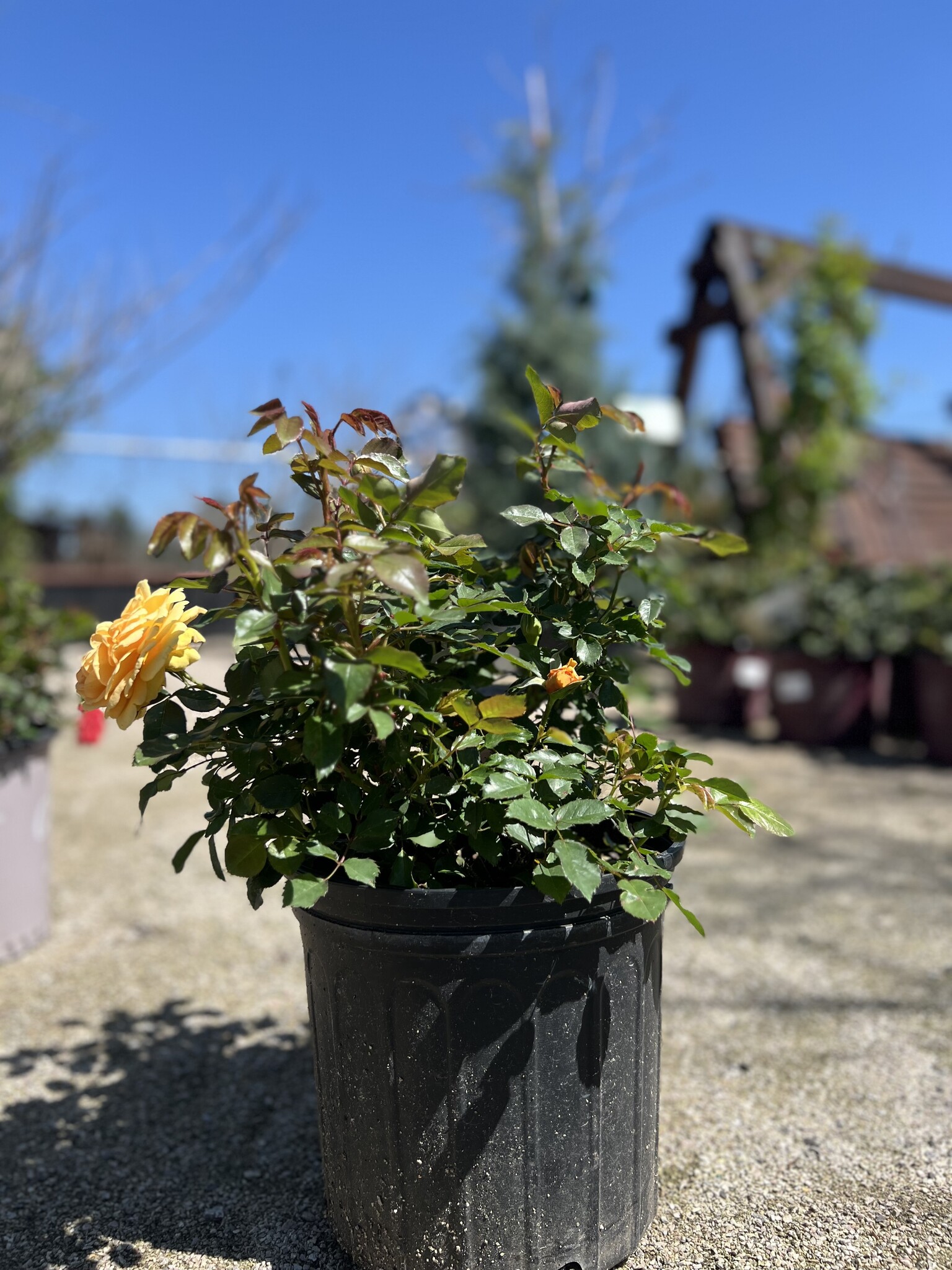
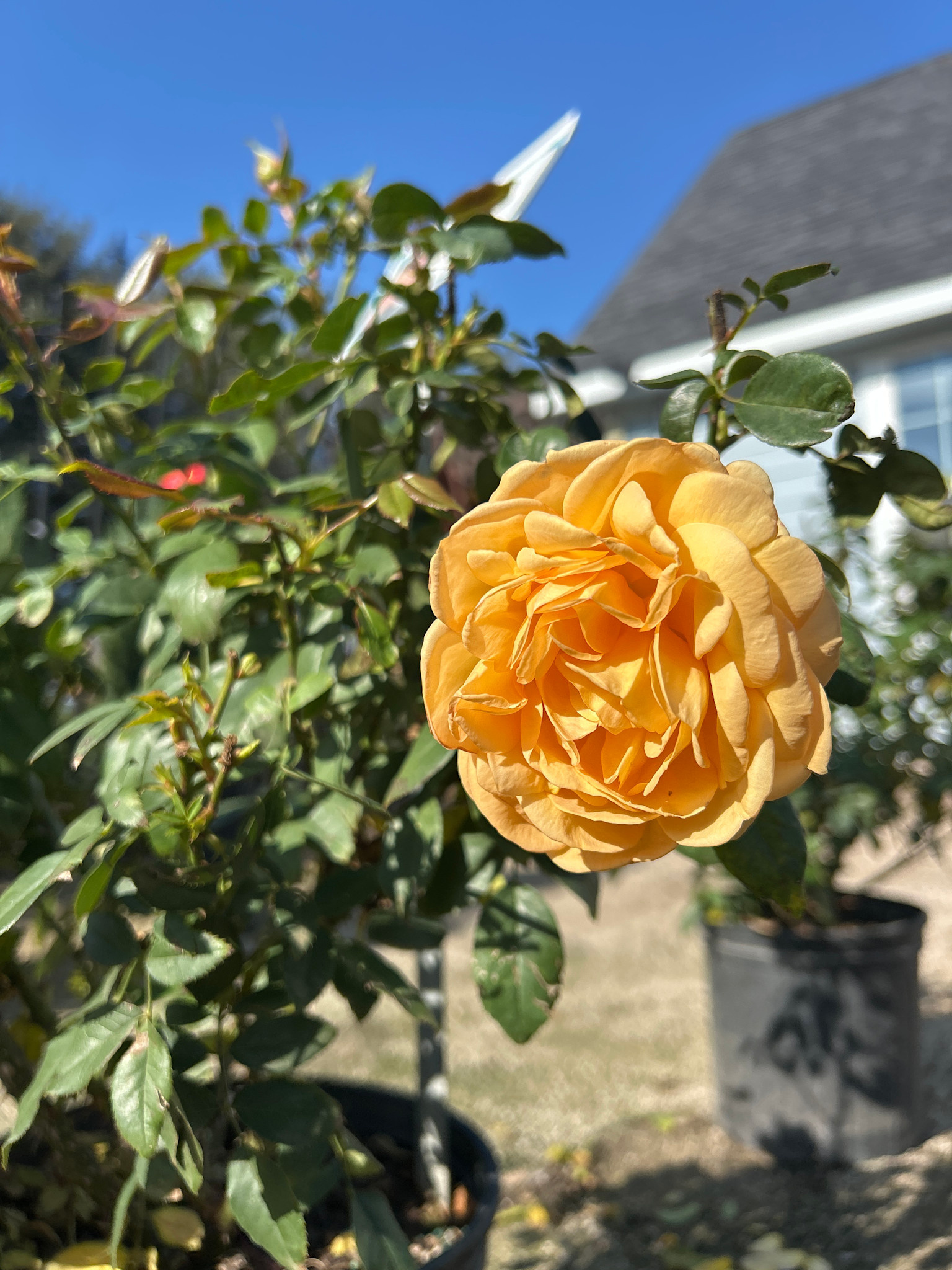
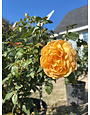
ROSE, 'SOUTH AFRICA SUNBELT', 3G
Home
ROSE, 'SOUTH AFRICA SUNBELT', 3G
ROSE, 'SOUTH AFRICA SUNBELT', 3G
Add your review
Availability
In stock (8)
$29.95
Quantity
+
-
Add to cart
Add to wishlist
Add to compare
Information
Reviews
(0)
Share
Tags
Add your review
0
stars based on
0
reviews
Information
Reviews
(0)
0
stars based on
0
reviews
Add your review
Share
Tags
Hide Tutorial